Best Wallets for Ethereum 2026: Staking, dApps & Top Security Reviewed

- When you click links on this page, we may earn an affiliate commission. By using this website you agree to our terms and conditions and privacy policy.
- Participation in online gambling may be illegal in your country and is subject to age restrictions (18, 19, or 21, depending on the jurisdiction). Verify legality and age requirements before participating. Learn more
The best Ethereum crypto wallets are usually non-custodial, as self-custody is the foundation of true ownership in the Ethereum ecosystem. Unlike before, the Ethereum chain is now known for its low fees, smart contracts, and high transaction throughput.
Picking the best wallet means balancing top-notch security, native Ethereum staking support, and seamless access to decentralized finance (DeFi), non-fungible tokens (NFTs), and decentralized applications (dApps). My guide ranks the best Ethereum wallets for 2026, helping you navigate key ecosystem features with confidence and safety.
Best Ethereum Wallets Summary
- The best Ethereum wallets in 2026 are Tangem, Safepal, Bitget Wallet, Uphold Wallet, Binance Wallet, and eToro Wallet.
- Choosing from the list will differ based on your individual goals and needs, but we would advise that DeFi enthusiasts should prioritize wallets with Web3 connectivity
- Cold wallets are best for long-term storage, while hot wallets are good for trading or DeFi/dApp connectivity
- Users can earn rewards and improve the network by staking ETH. It is an easy way for long-term investors to make money.
- Seed phrases allow anyone to recover a crypto wallet, so the best safety precaution is to never store your seed phrase digitally
Comparing the Best Crypto Wallet for Ethereum
| Brand Name | Wallet Type | Security Features | Supported Crypto | Backup and Recovery | Staking Support | Cost |
|---|---|---|---|---|---|---|
| Tangem | Cold | EAL6+ security chip, 25-year warranty, audited, no external connectivity, PIN system | 5,000+ | Cards come in multi-packs, providing redundancy, seedless | Yes | $54.90 to $160 |
| Bitget | Hot | Multi-Party Computation, $300 million protection fund, encryption | 1 million+ | Seed phrase | Yes | Free |
| SafePal S1 | Cold | EAL6+ chip, air-gapped, open-source, self-destruct mechanism, passphrase | Thousands of tokens on 200+ blockchains | Seed phrase | Yes | $49.99 |
| Uphold | Hot | Regulated, private key encryption, employee background checks, and regular audits | 325 | Username and password | Yes | Free |
| Zengo | Hot | MPC, seedless, create segregated wallets, Multi-Factor Authentication | 1,000+ | Email authentication, recovery file, 3D FaceLock (optional) | Yes | Free ($9.99 monthly premium subscription) |
| Rockwallet | Hot | SOC 2 Type II/ISO27001 certification, 2FA, biometrics | 18 | Seed phrase | No | Free |
| Binance | Hot | MPC, self-custody, risk detection, technical audits | Thousands of assets on 34 networks | Quick Backup, recovery password | Yes | Free |
| eToro | Hot | Encryption, client/customer fund segregation, threat detection system, 2FA, multi-sig wallets | 39 | Username/password | Yes | Free |
Top Wallets for Ethereum in 2026
Safepal
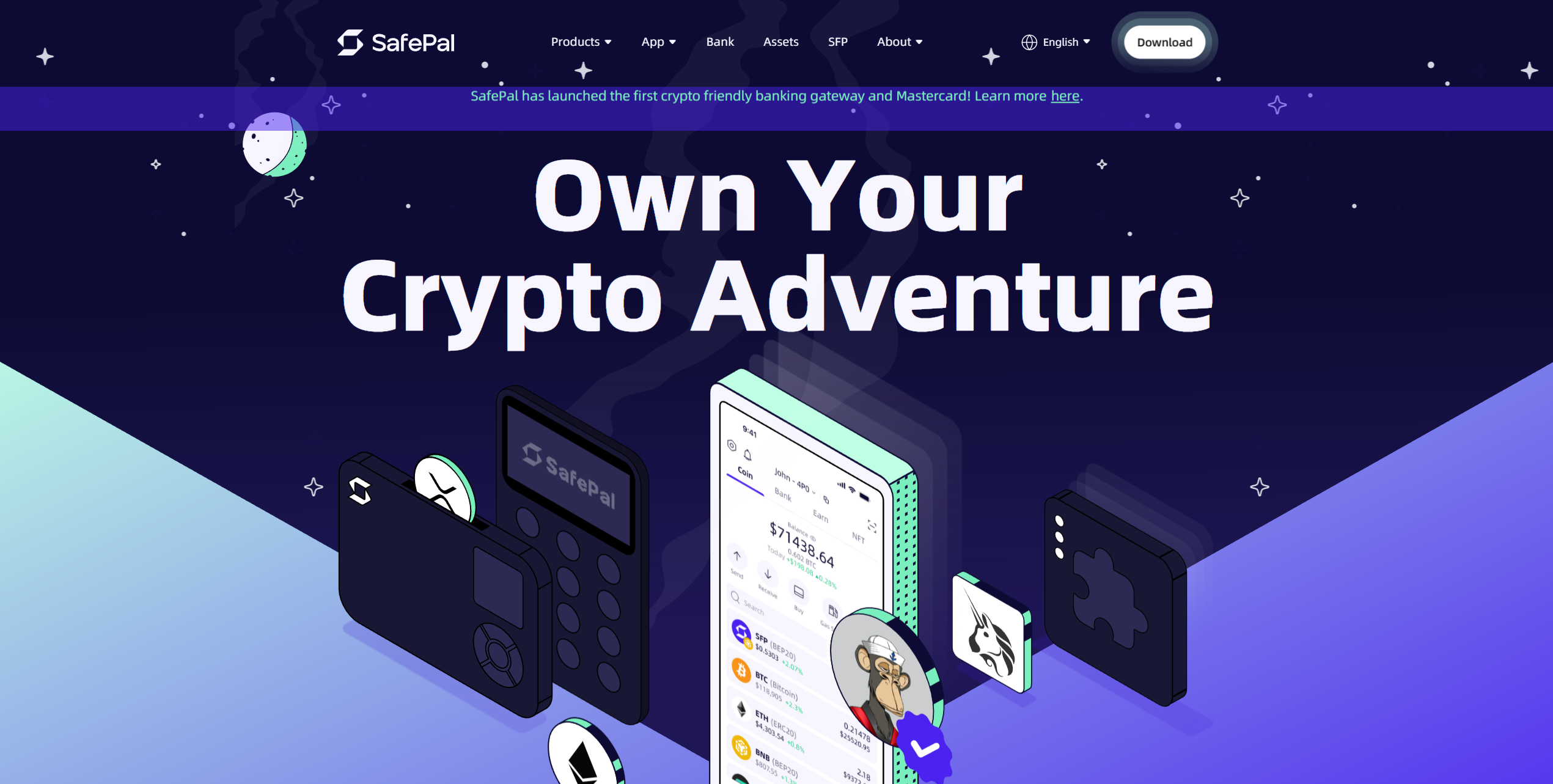
SafePal offers a unique dual approach by providing both hardware wallet devices and a mobile software wallet that work together seamlessly. You can store your cryptocurrencies offline on the hardware device while using the mobile app to interact with decentralized finance (DeFi) protocols and perform cross-chain transactions. The platform targets users who want maximum security without sacrificing convenience for daily crypto activities.
The hardware wallet operates completely air-gapped with no USB, Bluetooth, or WiFi connections, communicating through QR codes. The software wallet supports over 100 blockchains and thousands of tokens with built-in decentralized exchange (DEX) access. Cross-chain swap functionality allows you to trade between different blockchain networks, and the native SFP token provides fee discounts.
Pros
-
Air-gapped hardware design eliminates connection vulnerabilities
-
Supports multiple blockchain networks and token standards
-
Built-in DeFi access through the mobile application
-
Cross-chain trading without using multiple platforms
-
Affordable hardware wallet pricing compared to competitors
Cons
-
QR code communication can feel slow for frequent transactions
-
Software wallet security depends on mobile device protection
-
Limited customer support channels for troubleshooting
-
Hardware wallet screen is smaller than premium alternatives
-
Learning curve for users unfamiliar with QR-based transactions
- Bitcoin
- Ethereum
-
Tether
89
No result
- English
- German
-
Spanish
12
No result
Tangem
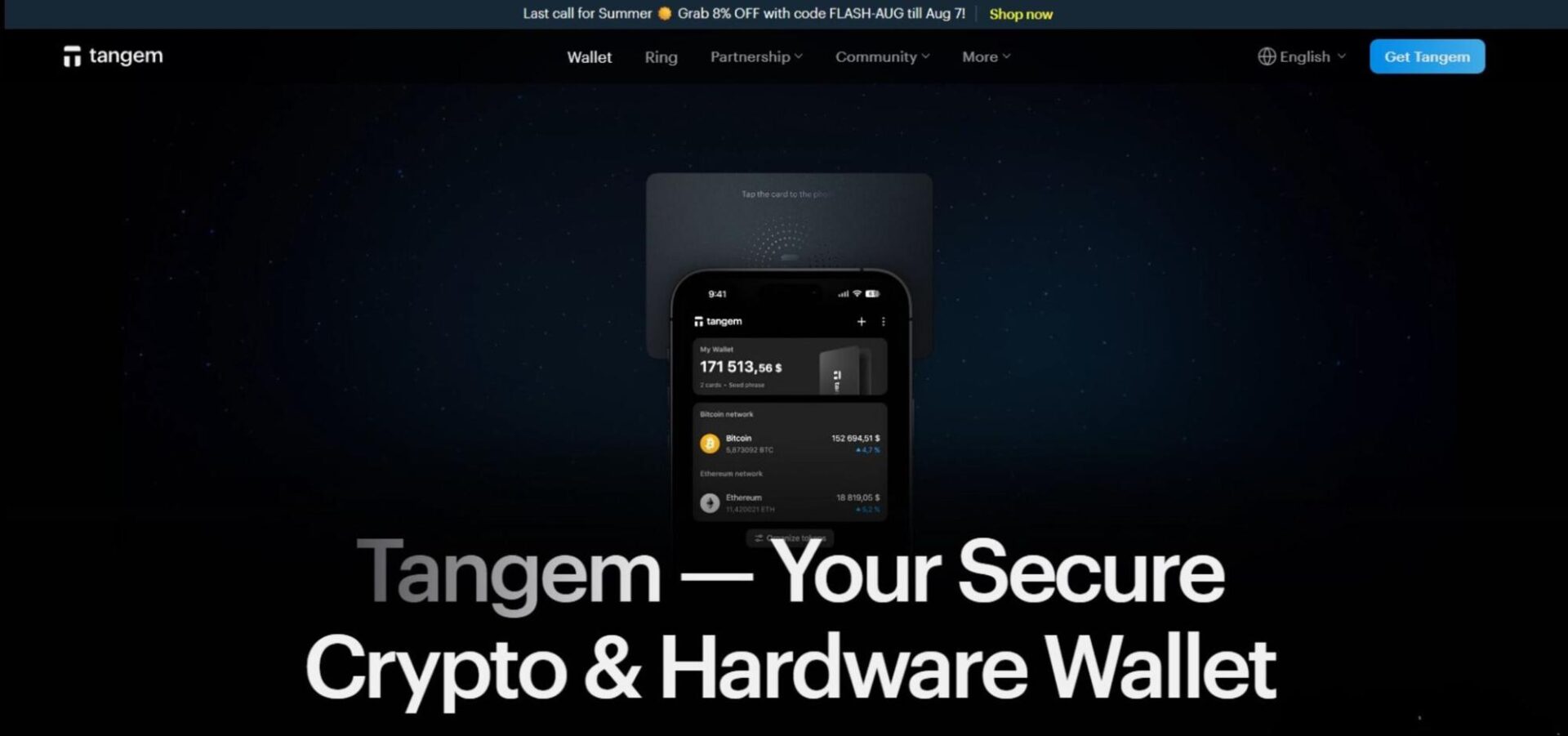
Tangem could be perfect. The credit card-style cold storage solution can easily fit into a wallet for transport, but it doesn’t sacrifice security. Tangem’s most significant advantage is using NFC, which enables a 25+ year lifespan with no battery, enhancing security and portability.
Tangem’s core security is focused on the microcomputer chips embedded in each card. They’re EAL6+ rated, indicating top-level security and audited by two firms, including Kudelski Security. The chips generate a random private key entirely offline. As Tangem Wallets come in multi-packs, users have a backup even if they lose a card. The two-card set costs $54.80, while the three-card option is $69.90. Users can also purchase a bundle containing two cards and a ring for $150. With support for over 13,000 cryptocurrencies and zero hacks between 6+ million devices across seven years, Tangem Wallet offers phenomenal cryptocurrency security.
Pros
-
Support for 13,000+ cryptocurrencies
-
25+ year life span
-
No battery or recharging system
-
EAL6+ certification
-
Seed phrase (optional) and card-based recovery options
-
Audited by multiple third-party firms
Cons
-
Must be connected to a phone to manage the wallet
-
Each wallet stores the whole seed, not keyshares like MPC wallets.
- Bitcoin
- Ethereum
-
Tether
70
No result
- English
- German
-
French
3
No result
RockWallet
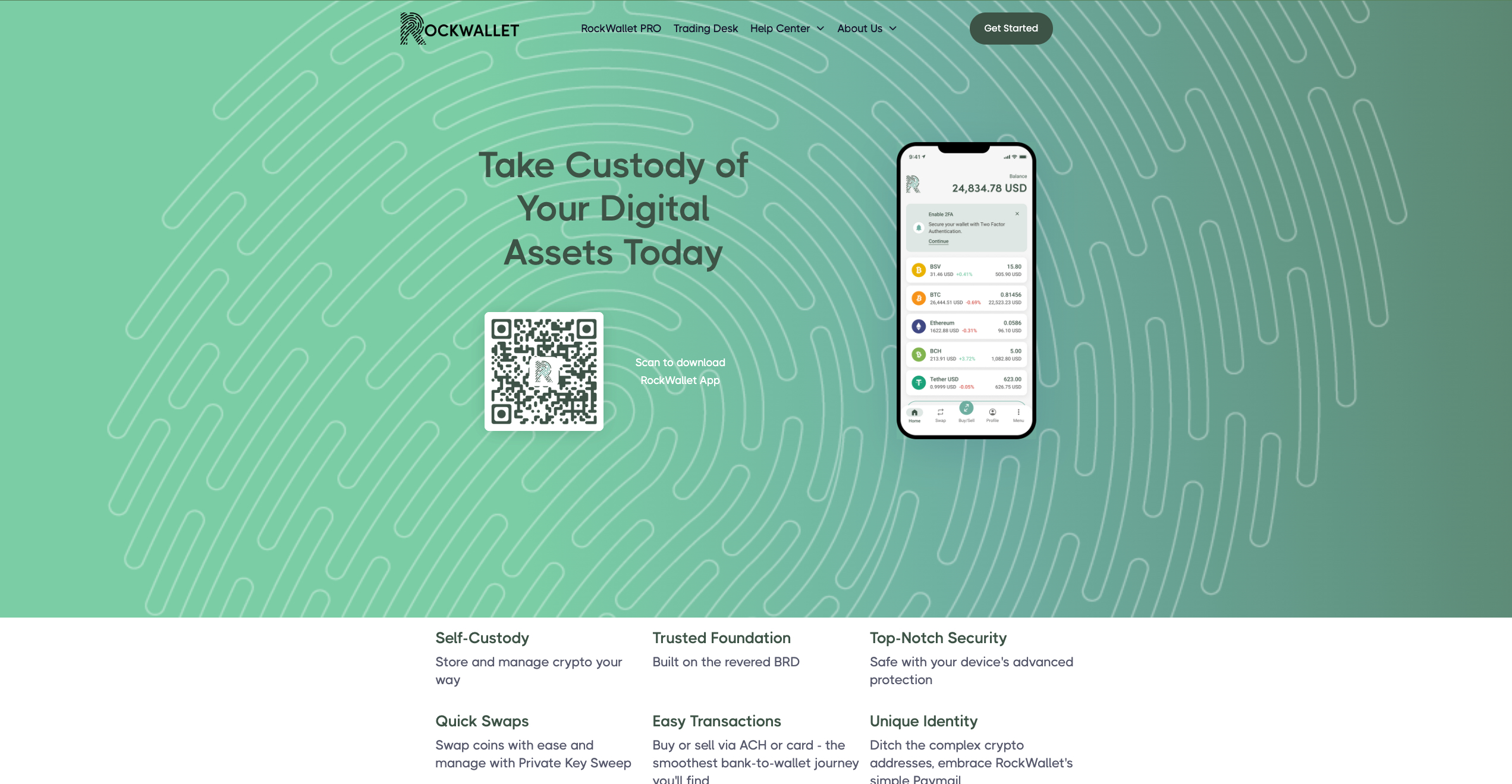
RockWallet focuses on providing straightforward crypto access for American users through a mobile-first platform with traditional banking integration. You can connect your bank account directly to buy, sell, and store popular cryptocurrencies without navigating complex exchange interfaces. The platform emphasizes regulatory compliance and user-friendly design over advanced trading features, making it suitable for people who want basic crypto functionality with familiar banking-style operations.
The wallet supports major cryptocurrencies including Bitcoin, Ethereum, and Litecoin with direct bank account linking for purchases. ACH transfers allow fee-free deposits from connected bank accounts. Built-in price tracking helps monitor portfolio performance, while the mobile app provides core wallet functions including sending, receiving, and storing coins.
Pros
-
Direct bank account integration simplifies funding
-
Fee-free ACH deposits reduce transaction costs
-
Regulated US operations provide legal compliance assurance
-
Simple interface suitable for crypto newcomers
-
Mobile-focused design offers convenient access
Cons
-
Limited crypto selection compared to major platforms
-
US-only availability restricts international users
-
Basic feature set may disappoint advanced traders
-
Higher spreads on crypto purchases than exchanges
-
Limited customer support options for problem resolution
- Bitcoin
- Ethereum
-
Tether
10
No result
- English
Kraken
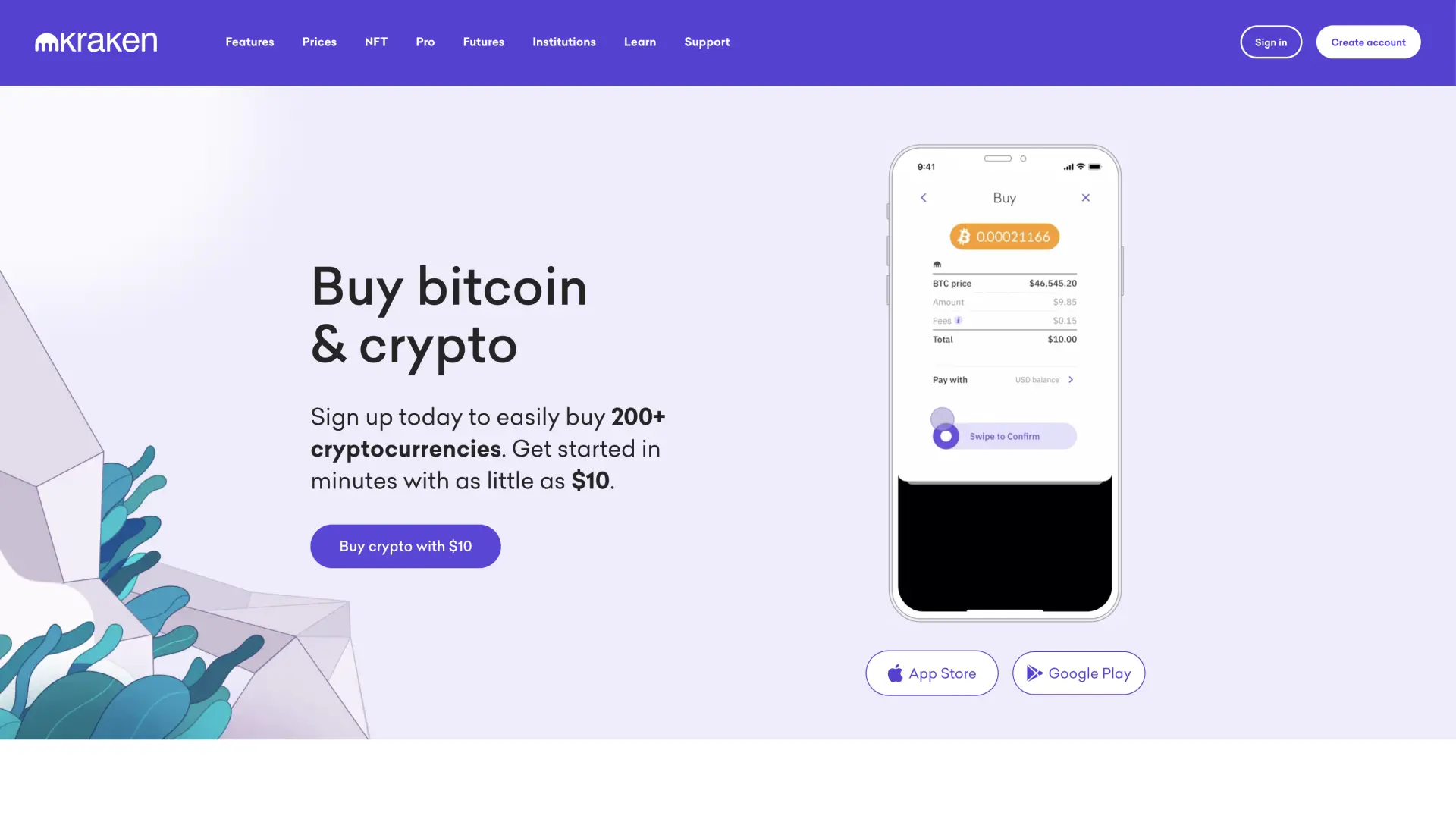
Kraken wallet is a non-custodial wallet for privacy-conscious users, a reputable exchange with strong security practices and DeFi integration.
Kraken Wallet operates as a self-custody solution separate from Kraken's main exchange platform, giving you complete control over your private keys while benefiting from the company's security expertise. You can interact with dApps and manage multiple cryptocurrencies without relying on centralized storage. The wallet targets users who understand the importance of self-custody but want the backing of an established crypto company.
It supports Bitcoin, Ethereum, and various ERC-20 tokens with full private key control. DeFi integration allows direct interaction with decentralized protocols for lending, borrowing, and yield farming. Multi-chain support includes popular networks beyond Ethereum, while hardware wallet compatibility works with Ledger and Trezor devices. Built-in portfolio tracking shows your holdings across different blockchains.
Pros
-
Self-custody design gives you complete fund control
-
Backed by Kraken's established security reputation
-
DeFi protocol integration for decentralized finance access
-
Multi-chain support covers popular blockchain networks
-
Hardware wallet compatibility enhances security options
Cons
-
Self-custody responsibility means no recovery assistance if keys are lost
-
Limited cryptocurrency selection compared to the main Kraken exchange
-
DeFi features may confuse users unfamiliar with decentralized protocols
-
No customer support for wallet recovery issues
-
Interface complexity exceeds basic storage needs
- Bitcoin
- Ethereum
-
Tether
83
No result
- Spanish
- English
-
French
4
No result
Uphold
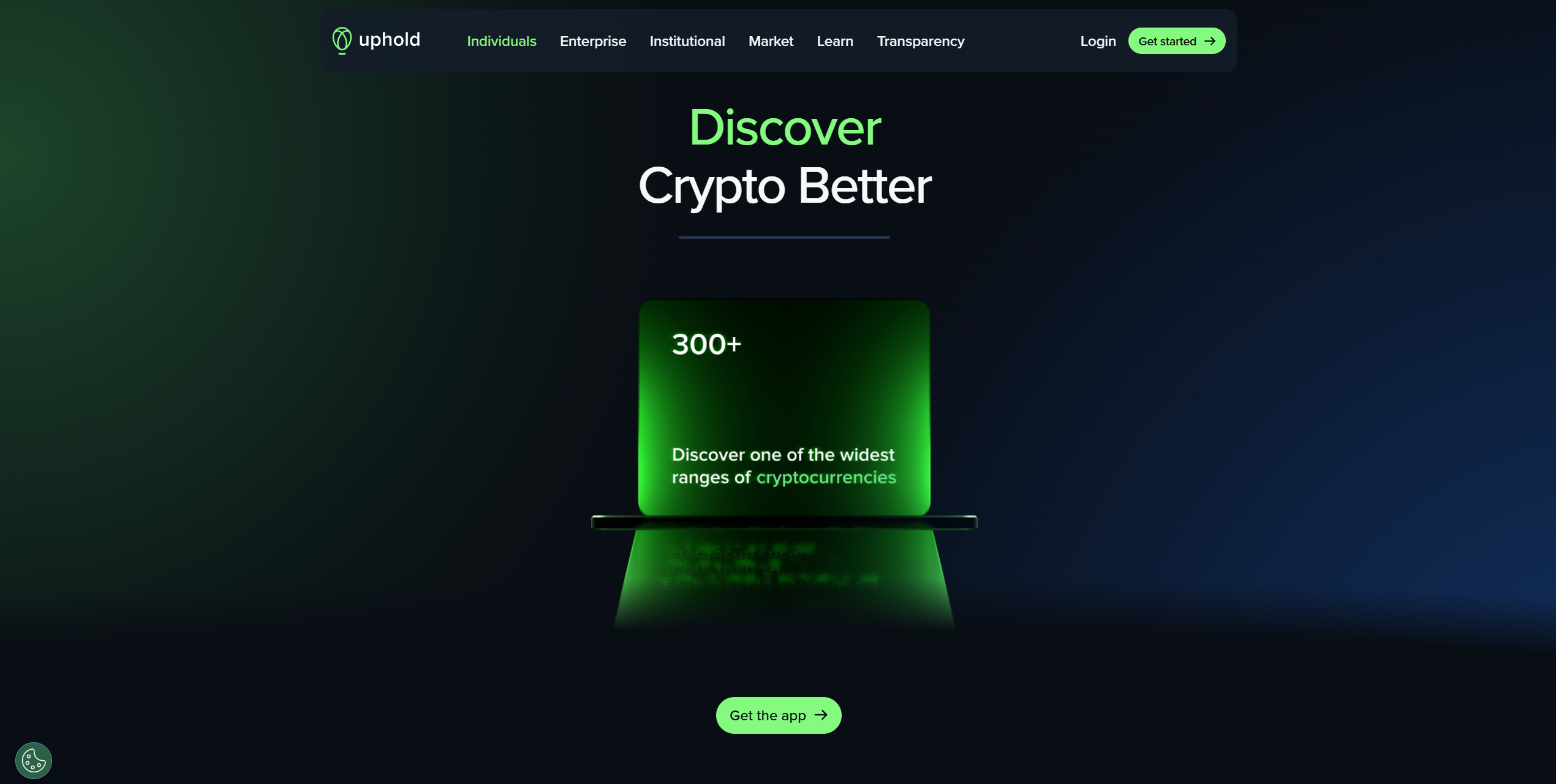
Uphold functions as a financial platform that lets you store and exchange cryptocurrencies along with traditional fiat currencies, precious metals, and other alternative investments. You can instantly convert between different asset types without going through multiple platforms or exchanges. The service targets users who want flexibility in managing diverse portfolios that span both traditional and cryptocurrency markets.
The platform supports over 250 cryptocurrencies plus fiat currencies from multiple countries, allowing instant conversions between any supported assets. Real-time settlement means transactions complete immediately without waiting periods. The transparency dashboard shows exactly how your funds are held and backed. Social trading features allow you to copy successful traders' strategies automatically.
Pros
-
Instant conversion between crypto and fiat currencies
-
Wide selection of both traditional and cryptocurrency options
-
Transparent fund backing builds user confidence
-
Social trading capabilities for strategy copying
-
Real-time settlement eliminates transaction delays
Cons
-
Higher spreads on conversions reduce value compared to dedicated exchanges
-
Limited advanced trading tools for experienced traders
-
Customer support responsiveness varies by region
-
Platform complexity may overwhelm simple storage needs
-
Regulatory restrictions affect availability in certain jurisdictions
- Tether
- TrueUSD
-
USD Coin
144
No result
- English
Coinbase
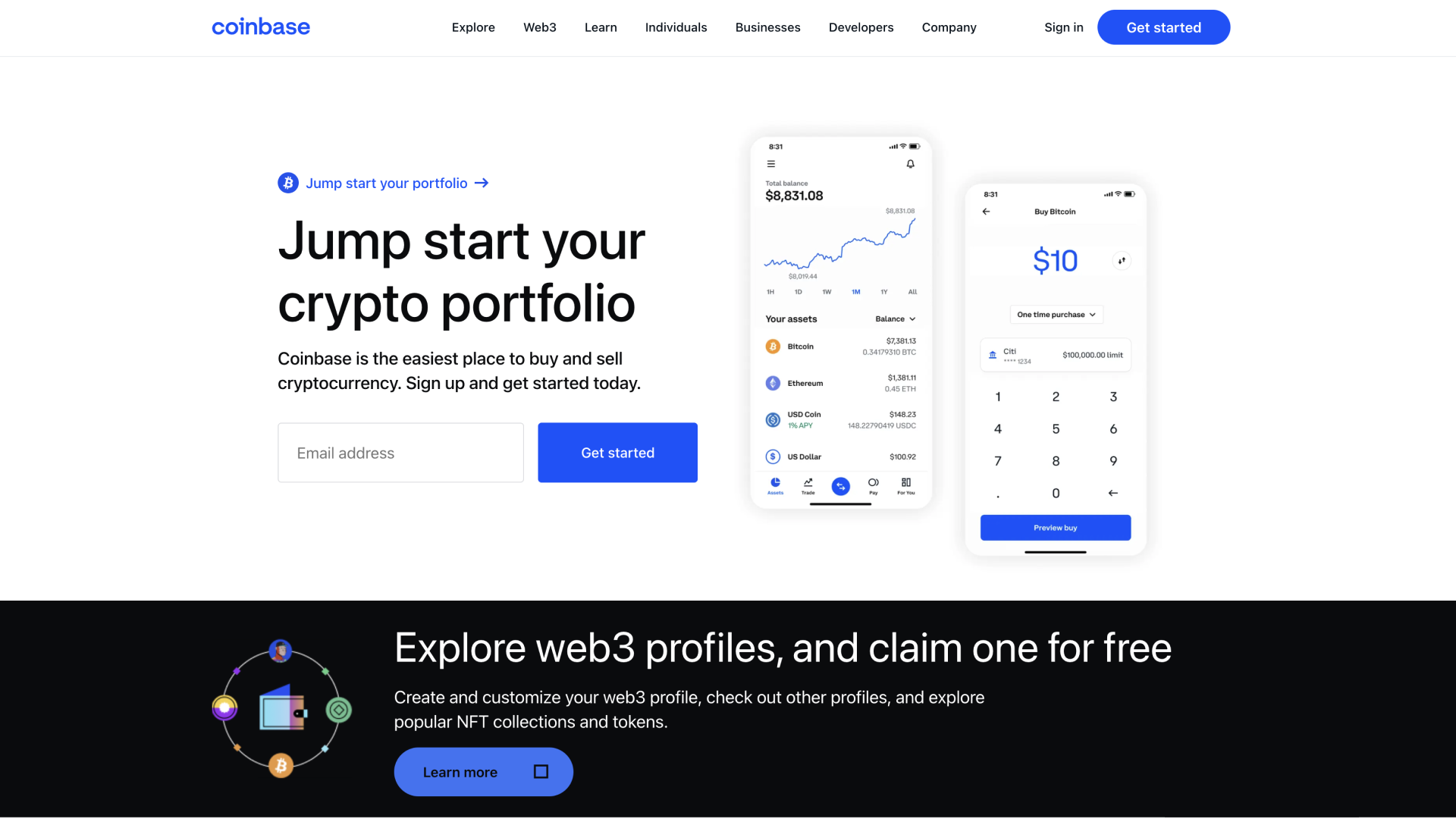
Coinbase is a widely known crypto exchange and storage solution that tens of millions of users trust. Tier-1 authorities, including the FCA and FinCEN, regulate Coinbase, thereby enhancing security and providing users with better recourse options.
Users can store Bitcoin, Ethereum, and 315 other cryptocurrencies on Coinbase. Moreover, a straightforward fiat on-ramp is available alongside a toggle between the standard and 'Advanced' modes, which boast TradingView charts and derivatives for users in eligible regions. Users can also stake their Ethereum to earn interest over time.
Coinbase also operates a standalone wallet with Web3 connectivity that supports major cryptocurrencies like Ethereum. As such, Coinbase can suit general traders and investors, but not those seeking advanced security features or a non-custodial option.
Pros
-
Regulated crypto platform
-
User-friendly Interface
-
Supports Ethereum staking
-
Trusted by millions of people globally
-
Standard and advanced modes
-
Supports a reasonable number of cryptocurrencies
Cons
-
KYC is required on Coinbase
- Bitcoin
- Ethereum
-
Tether
68
No result
- English
Trezor
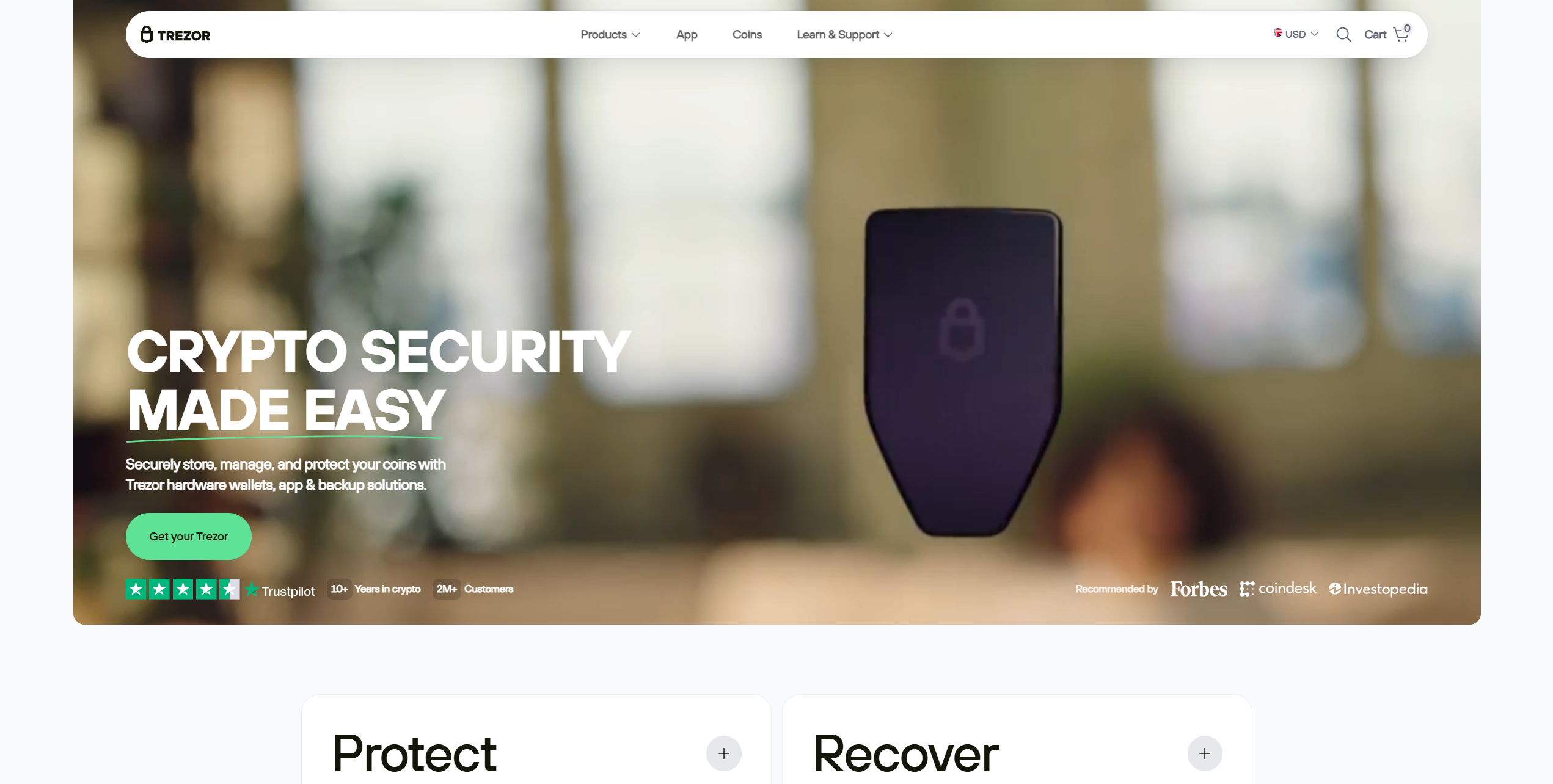
Trezor wallets are similar in function to Ledger wallets, boasting an open-source security architecture that enables users or researchers to audit the devices for bugs or vulnerabilities independently. If you're seeking a budget hardware wallet, the Trezor Model One doesn't get much better. Priced at $49, users get a small two-button device with an optional PIN system. It can store over 1,000 cryptocurrencies, but lacks some key assets, including XRP and Solana.
The Trezor Model T is a premium hardware wallet with a 1.54-inch touchscreen and USB-C connection. It offers the same seed phrase-splitting tool as the Safe 3, but is significantly more expensive at $129. Moreover, it can be used as a 2FA passkey device, enhancing flexibility. While all of Trezor's wallets are managed via Trezor Suite, which provides swap and purchase functionality, the Safe 3 is the best overall offering due to its EAL6+ security chip and seed-splitting tool. However, keep in mind that they're view-only on iOS. iPhone users cannot use Trezor wallets without another device.
Pros
-
Broad crypto asset support
-
Can connect to dApps and DeFi protocols
-
One of the most well-known hardware wallet brands
-
Products at multiple price points
-
EAL6+ security chips for Safe 3
-
Budget-friendly hardware wallet
Cons
-
No native iOS support for transactions
-
Absolute beginners might struggle with the interface at first
- Bitcoin
- Ethereum
-
Tether
204
No result
- English
- Czech
Zengo
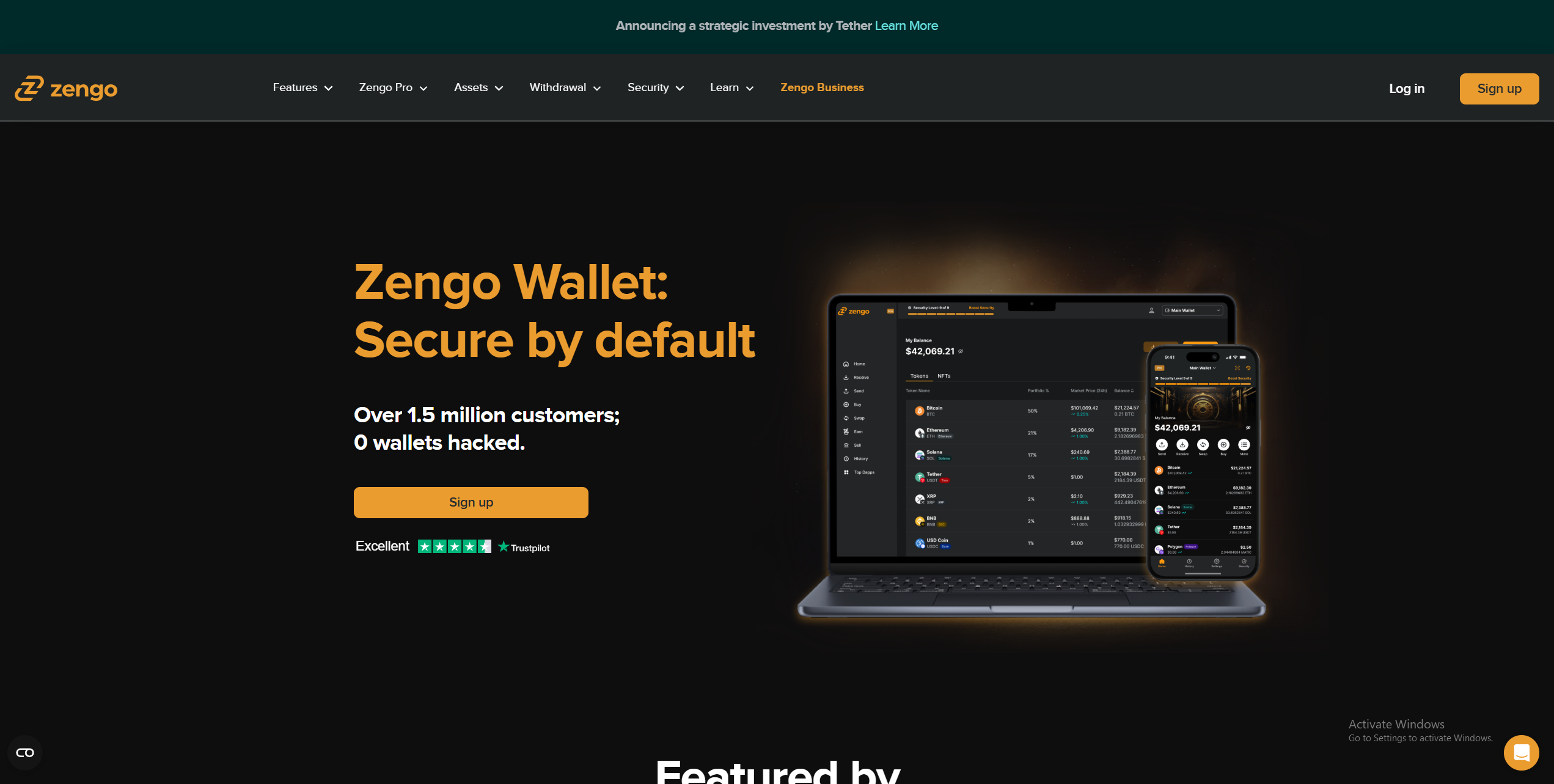
Zengo Wallet stands out as one of the best crypto wallets in 2025 by offering a unique keyless security model. Instead of relying on traditional seed phrases, Zengo uses Multi-Party Computation (MPC) combined with three-factor authentication, making it easier and safer to recover accounts without the risk of losing access.
This mobile-first wallet supports over 320 cryptocurrencies on multiple blockchains, catering to users who want a seamless experience without sacrificing security. Zengo also offers built-in features like crypto buying, selling, swapping, and staking, all accessible through a sleek and intuitive app interface. Additionally, Zengo provides fiat on-ramp and off-ramp services, making it convenient for users to convert between crypto and traditional money. While it doesn’t support desktop or browser extensions, its mobile security features, including biometric authentication and a Web3 firewall, position it as an excellent choice for everyday crypto management.
Pros
-
Keyless security with MPC and 3FA for safer recovery
-
Supports a wide range of cryptocurrencies
-
Integrated fiat on/off ramps and swapping
-
Easy-to-use mobile app with biometric security
-
Access to staking and dApps
Cons
-
Exchange fees can be relatively high
-
Limited staking options compared to competitors
-
No desktop or browser extension support
-
Not fully open source
- Bitcoin
- Ethereum
-
Tether
68
No result
- English
Technical Features Critical for Ethereum Holders

There are a few technical details you need to understand if you want to get the most out of Ethereum. I’ll break down staking, gas fees, and token standards so you know exactly what you’re working with.
Native Staking and Delegation
Ethereum switched to proof-of-stake (PoS) back in 2022, which opened up staking as a way to earn rewards on your holdings. Technically, running your own Ethereum validator requires 32 ETH, but that’s out of reach for most people. The good news is you can stake smaller amounts through pools or delegation services offered by various wallets.
One thing to keep in mind is that staked ETH isn’t immediately accessible. When you want to withdraw, there’s an unbonding period that takes several days. If you need quick access to your funds, this might not be the best option for you. But if you’re holding long-term anyway, staking allows you to earn passive income while supporting the network.
For hot wallets, several platforms have built-in staking that makes the whole process pretty straightforward. Coinbase, Kraken, Binance, and Bitget all let you stake with minimal hassle. If you’re figuring out how to stake Ethereum and want something simple, these exchange-based wallets handle the validator selection automatically and don’t require large minimum deposits.
Cold wallets are trickier since hardware devices focus on security rather than active features. That said, you can connect certain cold wallets like Tangem to compatible software that supports staking. This way, your private keys stay protected on the hardware device while you still access Ethereum validator rewards through the connected interface.
Understanding Ethereum Network Fees (Gas)
Ethereum uses a gas fee system to process transactions and smart contract interactions. Every action on the network requires computational work, and you pay validators to execute it. Ethereum gas fees fluctuate with network congestion. When everyone’s trying to trade or mint NFTs at once, fees can get expensive. During quieter periods, you’ll pay much less.
Most wallets allow you to adjust gas settings before confirming a transaction. You’ll typically see options like slow, standard, and fast, each with different fee amounts and estimated confirmation times. Paying more gets your transaction processed faster, but you can save money by choosing lower fees when you’re not in a rush.
Getting Ethereum network fees explained really comes down to timing and flexibility. Hot wallets like Coinbase, Kraken, and Binance usually set gas fees automatically, but give you the option to customize. Even when you’re using cold wallets like Tangem or BitBox through compatible software, you can see current gas prices and decide whether to wait for lower fees or proceed immediately. Checking gas trackers before making transactions helps you avoid paying premium rates during peak hours.
Ethereum Token Standards and NFT Support
Ethereum runs on specific token standards that define how different assets work on the network. The most common is ERC-20, which covers the majority of tokens you’ll encounter. ERC-721 and ERC-1155 handle NFTs, with ERC-721 for unique one-of-a-kind items and ERC-1155 for both unique and fungible tokens in one contract.
If you’re collecting or trading NFTs, you need a wallet that can display and interact with them properly. Not all wallets handle NFTs well. Some only show your token balances without any visual interface for your collectibles.
Hot wallets generally offer better NFT support, while cold wallets focus on security over features, so NFT display is usually limited. Coinbase and Binance function as an Ethereum NFT wallet with built-in galleries where you can view your collection. These platforms also connect directly to NFT marketplaces, making buying and selling straightforward.
Security Best Practices for Your Ethereum

No matter which wallet you choose, following basic security practices protects your Ethereum from theft or loss. I’ll cover seed phrase protection and how to safely use hardware wallets below.
Securing Your Seed Phrase
Your seed phrase is the master key to your Ethereum wallet. If someone gets it, they control your ETH. If you lose it, your funds are gone forever. There’s no customer service to call, no password reset option.
To store your seed phrase, write it down on paper or metal and keep it somewhere safe. Never take a photo of it or save it digitally. No screenshots, no cloud storage, no password managers. Hackers specifically target digital copies because they’re easy to access remotely. Even if your device seems secure, one malware infection or phishing attack can expose everything.
Treat your seed phrase like you’d treat cash. You wouldn’t leave thousands of dollars sitting in a public Google Doc, so don’t do the equivalent with your recovery phrase.
Securing Hardware Wallet Interaction
When using a hardware wallet, always verify transaction details directly on the device screen before confirming. This includes the recipient address, amount, and gas fees. Malware on your computer can alter what you see on screen, but it can’t change what appears on the hardware device itself.
The most important rule: never type your seed phrase into any computer or phone. Your recovery phrase should only be entered directly into the hardware wallet during initial setup or recovery. If any website, app, or support person asks for your seed phrase, it’s a scam.
Hardware wallets keep your private keys isolated from internet-connected devices, and this protection only works if you maintain that separation. The device screen is your trusted source of truth for all transaction confirmations.
Conclusion & Final Recommendation
To wrap things up, the best Ethereum wallet really depends on what you value most. If you’re all about diving deep into the Ethereum ecosystem with NFTs, DeFi, and dApps, KuCoin stands out as a secure wallet for Ethereum that offers seamless integration and dApp access.
For those just getting started or wanting a simple, secure Ethereum mobile wallet, Zengo is perfect because it takes the stress out of private keys and keeps things straightforward.
And for users focused on long-term security and true ownership, Tangem provides a durable, highly secure Ethereum hardware wallet solution, great for both safe storage and staking.
If you are wondering how to stake Ethereum with a wallet or looking for native staking support, some of these wallets cover the full spectrum of needs securely and efficiently.
FAQ Section
What is the difference between a Ethereum "account" and a "wallet"?
In Ethereum, an “account” refers to a unique address that holds ETH and interacts with contracts, while a “wallet” is a tool that manages one or more private keys controlling these accounts. Your account’s address is what you share to receive funds. A wallet is a tool or software that manages one or more of these accounts, allowing you to view balances, sign transactions, and interact with Ethereum’s blockchain securely. Essentially, the wallet is the interface that helps you manage your Ethereum accounts.
How much does it cost to send Ethereum from one wallet to another?
Transaction fees, or “gas” fees, vary based on network demand and transaction complexity. Typically, sending ETH costs a few dollars in gas, but during network congestion, fees can spike significantly. Users can check live gas prices on services like ETH Gas Station or Etherscan to estimate current fees before sending. Planning transactions during off-peak times can help reduce costs and improve processing speed.
If I lose my phone, can I recover my Ethereum on a different wallet?
If you have your seed phrase, you can recover your Ethereum assets on any compatible wallet. The seed phrase acts as the master key to your funds and can restore access regardless of device or wallet brand. Make sure to always keep it secure and offline, as losing it may mean permanent loss of your funds. Regularly backing it up is essential for recovery.
Can I use my Ledger/Trezor without using the official Ethereum desktop application?
You can use your Ledger or Trezor hardware wallet with many third-party Ethereum-compatible software wallets instead of relying solely on the official Ethereum desktop app. These wallets allow you to connect your device, manage Ethereum assets, sign transactions, and interact with staking or dApps securely while keeping your private keys safely stored on the hardware device. This flexibility allows you to choose interfaces that suit your preferences without compromising security.