- The Best No KYC Crypto Exchanges (Top Picks)
- What is a “No KYC” Crypto Exchange?
- Why Choose a No KYC Crypto Exchange?
- Risks and Considerations of No KYC Crypto Exchange (The Cons)
- Types of No KYC Crypto Exchanges
- No KYC Crypto Exchanges for US Residents
- How to Trade Anonymously (A Step-by-Step Guide)
- Conclusion: The Final Verdict
- Frequently Asked Questions (FAQ)
Best No KYC Crypto Exchanges: Top Platforms for Anonymous Trading in 2026


- When you click links on this page, we may earn an affiliate commission. By using this website you agree to our terms and conditions and privacy policy.
- Participation in online gambling may be illegal in your country and is subject to age restrictions (18, 19, or 21, depending on the jurisdiction). Verify legality and age requirements before participating. Learn more
The best no-KYC crypto exchanges work completely differently by allowing you to trade cryptocurrencies without mandatory ID verification. These platforms put your privacy first by skipping the whole document submission process.
Instead of collecting your personal details, these crypto exchanges give you immediate access to trading while keeping you anonymous. This is the list of the top no-KYC Crypto Exchanges and why they made our list.
The Best No KYC Crypto Exchanges (Top Picks)
Cryptonex
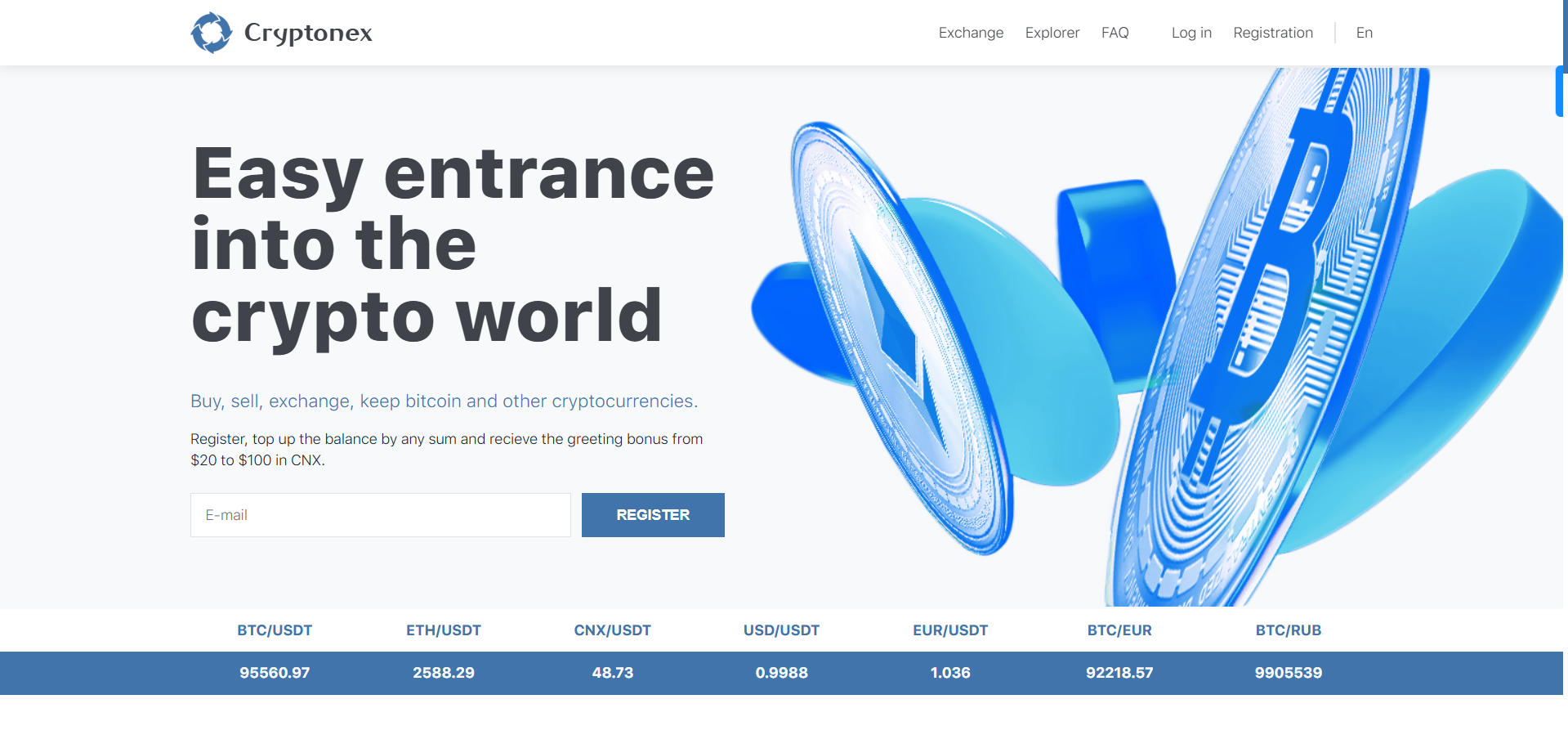
Cryptonex launched back in 2017 as a blockchain-based cryptocurrency exchange that aimed to bridge traditional banking with crypto trading. The platform built its own blockchain and native CNX token while offering exchange services for various cryptocurrencies.
What makes Cryptonex different is its focus on creating a full ecosystem that includes mining, mobile apps, and payment cards, trying to make crypto more accessible for everyday use. The exchange has positioned itself as a solution for both regular trading and broader crypto adoption, though it's faced some regulatory challenges in certain regions over the years.
You'll find it offers a mix of spot trading and additional services that go beyond just basic crypto swapping.
Pros
-
Native CNX token provides trading fee discounts and staking rewards for holders
-
Mobile app available for both iOS and Android with full trading functionality
-
Multiple deposit methods, including bank transfers and credit card purchases
-
Built-in mining features allow you to earn cryptocurrencies directly through the platform
-
Referral program offers commission sharing for bringing in new users
-
Payment card integration allows you to spend crypto in real-world transactions
Cons
-
Limited availability in some countries due to regulatory restrictions
-
Lower trading volumes compared to major crypto exchange platforms
-
Support team may struggle to keep up during busy trading times
-
Fewer trading pairs are available than in larger competitors
-
CNX token value fluctuations can affect the benefits of holding it
- Bitcoin
- Ethereum
-
Tether
12
No result
- English
What is a “No KYC” Crypto Exchange?
Know Your Customer (KYC) is a set of rules that requires financial companies, including crypto exchanges, to verify the identity of their customers. This KYC definition covers the process where platforms ask you to prove your identity with documents like your passport, driver’s license, and proof of address before letting you trade or withdraw your money. Traditional crypto exchanges use these procedures to stay on the right side of anti-money laundering (AML) laws and government regulations.
Anonymous crypto trading has become much more popular in 2026 as people worry more about their privacy. You might like no KYC crypto exchanges because they let you start trading right away and help you avoid data breaches that could leak your personal info.
Some platforms let you withdraw daily amounts with no ID verification, while others run as completely decentralized systems where collecting your identity is impossible by design. This setup appeals to people who value keeping their finances private, don’t want to deal with paperwork delays, or live in places where crypto regulations are unclear, but holding or trading is legal.
Anonymous crypto trading also attracts those who simply don’t want their personal data sitting on various platforms.
Why Choose a No KYC Crypto Exchange?

According to Chainalysis, over $3.4 billion was stolen in crypto hacks in 2025. The benefits of no KYC exchanges are clear when you consider what matters most to traders today: privacy, anonymity, quick setup, fewer restrictions, and data security. Here, I’ll explore their main advantages in detail.
1. Enhanced Privacy and Anonymity
With the rise in crypto hacks, crypto privacy stands as the primary reason many people choose no KYC platforms. These exchanges take your personal data protection seriously by never collecting sensitive information like your full name, address, or government-issued ID numbers in the first place.
When platforms don’t store your personal details, you’re automatically protected from data breaches that have happened to major exchanges in recent years. Anonymous transactions become possible because there’s no paper trail connecting your real identity to your trading activity. This means your financial habits, trading patterns, and crypto holdings remain private.
You don’t have to worry about hackers accessing databases containing your personal information or governments potentially requesting customer data from exchanges. The platform simply doesn’t have your information to begin with, creating a natural barrier against privacy violations and giving you peace of mind while trading.
2. Faster and Easier Onboarding
Quick account setup represents one of the most practical benefits of no KYC exchanges. You can literally start trading within minutes instead of waiting days or weeks for verification approval. The no verification process means you skip uploading documents, taking selfies, or answering invasive questions about your income and trading intentions.
Instant access to trading means you can capitalize on market opportunities immediately. While traditional crypto exchanges might make you wait for manual review of your documents, no KYC platforms give you seamless trading access right away. You simply create an account with an email address, deposit crypto, and start trading.
This speed advantage becomes crucial during volatile market conditions when every minute counts. The streamlined onboarding eliminates the frustration of rejected KYC documents, unclear verification requirements, or customer service delays that are common on traditional exchanges.
3. Fewer Restrictions
Geographic restrictions often prevent people from accessing mainstream exchanges, but no KYC platforms typically welcome users from more locations. These exchanges offer financial freedom by not enforcing country-based limitations that traditional platforms must follow due to regulatory compliance.
Trading limits and no KYC limits work differently than you might expect. While some withdrawal caps exist, you can often trade larger amounts than platforms with partial verification would allow. This setup particularly benefits users in countries with unclear crypto regulations, where local banks might block transactions to major exchanges.
No KYC platforms serve as viable alternatives when traditional exchanges refuse service to your region. You gain access to global crypto markets without needing to navigate complex local regulations or prove residency in crypto-friendly jurisdictions. This accessibility makes these platforms valuable tools for maintaining financial freedom regardless of your geographic location.
Risks and Considerations of No KYC Crypto Exchange (The Cons)

Dangers of no KYC exchanges include a lack of regulation, security risks, limited features, legal risks, and poor customer support. I’ll examine their main drawbacks in detail below.
1. Increased Security Vulnerabilities and Scams
No KYC exchange scams are a real threat in the unregulated space. Unregulated exchanges often operate without oversight, making them attractive targets for bad actors who can disappear with user funds overnight. You’ll find that some platforms are simply elaborate schemes designed to collect deposits before vanishing completely.
Hacking risks increase significantly on platforms that prioritize anonymity over security infrastructure. Without regulatory requirements to maintain security standards, these exchanges might cut corners on protection measures.
The lack of regulation means there’s no authority ensuring they follow proper security protocols or maintain adequate reserves. You face higher chances of losing funds through exchange hacks, exit scams, or technical vulnerabilities that wouldn’t pass regulatory scrutiny on traditional platforms. Plus, many unregulated exchanges lack the resources to implement enterprise-level security measures that larger, compliant platforms use.
2. Limited Features and Lower Liquidity
When it comes to withdrawal limits, no KYC exchanges typically cap your daily or monthly transactions at relatively low amounts. Most platforms restrict unverified users to withdrawals between 0.1 to 2 BTC daily, which might not meet your needs for larger trades or quick portfolio moves.
Lower liquidity creates problems when you want to execute large orders or trade less popular altcoins. Limited trading pairs mean you often can’t find direct routes between the cryptocurrencies you want to swap.
Trading features remain basic compared to regulated exchanges, with many platforms lacking margin trading, futures contracts, options, or advanced order types like stop-losses and take-profits. You’ll also miss out on sophisticated tools like lending programs, staking rewards, or educational resources that full-service exchanges provide.
The limited features extend to mobile apps, which often feel basic and lack the polish of established platforms.
3. Lack of Legal Recourse and Customer Support
No KYC customer service tends to be minimal or nonexistent when problems occur. Without your identity verified, platforms have little incentive to help resolve disputes or recover lost funds. Legal protection becomes virtually impossible since you can’t prove your relationship with the exchange in court.
Dispute resolution processes simply don’t exist on most anonymous platforms. If someone steals your funds, you lose your password, or the exchange freezes your account, you have no official channels for getting help.
Traditional exchanges must follow customer support standards and maintain records that can help recover accounts, but no KYC platforms can or will provide similar assistance. This lack of regulation means no government agency will step in to help you recover losses or force the platform to address your concerns.
Types of No KYC Crypto Exchanges

CEX no KYC, DEX no KYC, and P2P exchange models each offer different tradeoffs between convenience and privacy. You can learn more about these main categories below.
1. Centralized Exchanges (CEXs) with a No KYC Option
Centralized exchanges with no KYC options operate through tiered verification systems that let you trade with limited functionality before completing identity checks. These platforms use optional KYC models where you can start trading immediately, but face restrictions on withdrawal amounts and available features. Some examples include KuCoin, MEXC, and Bybit.
Most CEX no KYC platforms cap unverified users at daily withdrawal limits ranging from 0.1 to 2 BTC, depending on the exchange. You get access to basic spot trading, standard order types, and popular trading pairs without submitting documents. The user interface typically matches what you’d find on fully regulated exchanges, with professional charting tools and mobile apps.
The tiered verification approach means you can upgrade your account later if you need higher limits or access to margin trading, futures, or lending features. This flexibility makes centralized exchange with no KYC options popular among traders who want familiar interfaces and good liquidity while maintaining initial privacy. Yet, these platforms still operate under some regulatory oversight and may eventually require verification for continued use.
2. Decentralized Exchanges (DEXs)
DEX platforms operate fundamentally differently by removing central control. Uniswap, PancakeSwap, and similar platforms use smart contracts to facilitate trades directly between users’ wallets, making identity collection impossible by design. This non-custodial approach means you never deposit funds into exchange accounts.
DEX trading requires you to connect a wallet like MetaMask directly to the platform. Smart contracts automatically execute trades based on predetermined rules, eliminating the need for order books or centralized matching systems. Uniswap and PancakeSwap operate on different blockchains but share similar peer-to-peer (P2P) trading mechanisms.
The non-custodial nature means you maintain complete control over your funds throughout the trading process. No central authority can freeze accounts, require verification, or restrict access based on location.
Yet, DEX platforms typically offer fewer trading pairs than centralized options and may have higher transaction fees due to blockchain network costs. You’ll also need some technical knowledge to navigate wallet connections and understand concepts like slippage and impermanent loss.
3. Peer-to-Peer (P2P) Exchanges
P2P crypto exchange platforms connect buyers and sellers directly without intermediaries handling the actual crypto transfers. Bisq, Hodl Hodl, and similar peer-to-peer trading platforms create marketplaces where users post buy and sell offers that others can accept.
Some of the best P2P crypto exchange systems typically use escrow mechanisms to secure trades. When you accept an offer, the seller’s cryptocurrency gets locked in escrow while you complete payment through traditional methods like bank transfers, PayPal, or cash meetings. Bisq operates as fully decentralized software that you download and run locally, while Hodl Hodl uses a web interface with built-in escrow services.
Peer-to-peer trading eliminates KYC requirements since platforms don’t custody funds or process payments directly. You negotiate terms with individual traders and complete transactions using whatever payment methods you both accept.
This approach offers maximum privacy and flexibility but requires more time and effort than other trading methods. P2P crypto exchange platforms also carry higher risks of payment disputes or fraudulent counterparties that you have to evaluate yourself.
No KYC Crypto Exchanges for US Residents
The legal framework for no KYC crypto exchanges that US residents can access remains complex and evolving in 2026 due to overlapping federal and state rules. It’s essential to understand US regulations and crypto requirements, as well as which platforms can work for crypto for US residents without running into legal issues.
US crypto enforcement regulations have intensified significantly in 2026, with regulatory agencies taking stronger positions against exchanges operating without proper licenses. The Securities and Exchange Commission (SEC) and Commodity Futures Trading Commission (CFTC) have increased scrutiny of platforms serving US customers, making many CEXs either implement strict KYC or completely block US access.
No KYC crypto exchanges that US users can still access typically fall into the decentralized category. DEX platforms like Uniswap, SushiSwap, and dYdX remain legal in US territories because they operate as protocols rather than traditional exchanges. These platforms don’t custody funds or collect user information. Instead, you connect your wallet directly and trade peer-to-peer through smart contracts.
Nonetheless, the regulatory environment continues shifting. Some DEX platforms have started implementing geographic restrictions or partnering with compliance services to avoid potential legal issues. Even decentralized protocols face pressure to restrict certain features or tokens for US users.
Crypto for US residents through peer-to-peer platforms like Bisq offers another option, though you should keep in mind that large-scale P2P trading may trigger reporting requirements or scrutiny from financial authorities. The key consideration is that while using these platforms isn’t illegal as of 2026, the lack of clear regulatory frameworks means the landscape could change quickly.
Always consider consulting with legal professionals familiar with crypto regulations before engaging in significant trading activity on any platform that operates without traditional US licensing.
How to Trade Anonymously (A Step-by-Step Guide)

Learning how to use no KYC exchange platforms effectively requires following specific privacy protocols. This anonymous crypto trading guide covers essential crypto privacy tips to protect your identity throughout the trading process. You can learn more about the three concrete steps below.
1. Choose the Right Platform
Choosing a no-KYC exchange depends on your specific needs and privacy requirements. The CEX vs DEX decision comes down to balancing convenience against true anonymity and decentralization.
Centralized exchanges with no KYC tiers offer familiar interfaces, good liquidity, and customer support, but they still collect some data and operate under regulatory oversight. You’ll find these platforms easier to use if you’re new to crypto trading and want features like advanced charting tools and mobile apps.
DEX platforms provide genuine decentralization and maximum privacy since they can’t collect your personal information by design. But decentralized trading requires more technical knowledge and often involves higher transaction fees.
Consider your priorities when choosing a no KYC exchange: if convenience and user experience are your top priorities, centralized options might work better. If privacy and censorship resistance are your main concerns, decentralized platforms offer superior protection. CEX vs DEX also affects which cryptocurrencies you can trade, with centralized platforms typically offering more trading pairs but DEXs providing access to newer or more experimental tokens.
2. Use a Secure, Privacy-Focused Wallet
Your privacy wallet choice significantly impacts your overall anonymity when trading. Non-custodial wallet options give you complete control over your private keys and prevent exchanges from linking your trading activity to a centralized account.
Hardware wallet devices like Cypherock X1 or Ellipal provide the highest security for storing larger amounts of crypto. These privacy wallet solutions keep your private keys offline and require physical confirmation for transactions, making them nearly impossible to hack remotely.
For active trading, software wallets like MetaMask, Trust Wallet, or Exodus offer a good balance between security and convenience. These non-custodial wallet apps allow you to connect directly to DEXs while maintaining control over your funds. Unlike exchange wallets, your privacy wallet doesn’t require account registration or identity verification.
Avoid using exchange-provided wallets for long-term storage, even on no-KYC platforms. It’s best to keep only small amounts for active trading on exchanges and transfer profits to your hardware wallet regularly. This strategy limits potential losses from exchange hacks or exit scams while maintaining your privacy throughout the trading process.
3. Protect Your IP Address
IP protection becomes crucial when trading anonymously, especially on centralized platforms that might log connection data. Crypto VPN services mask your real location and make it harder for exchanges or third parties to track your activity.
Quality crypto VPN providers don’t keep logs of your internet activity and accept cryptocurrency payments, maintaining your privacy throughout the subscription process. Choose VPN services with strong reputations for protecting user privacy.
TOR browser offers even stronger IP protection by routing your connection through multiple encrypted relays. This makes tracing your activity extremely difficult, though it can slow down your browsing and trading experience. TOR works particularly well for accessing DEX platforms or doing research before trading.
But, you should never use a VPN or TOR browser as a workaround to access exchanges that don’t support your country. This violates the platform’s terms of service and could result in account freezes or fund confiscation.
IP protection tools should enhance your privacy on platforms that already accept users from your location, not circumvent geographic restrictions. Always verify that exchanges legally serve your jurisdiction before registering or depositing funds.
Conclusion: The Final Verdict
The question “Is no KYC crypto exchange safe?” doesn’t have a single, simple answer. Pros and cons of no KYC crypto exchanges include enhanced privacy and faster access versus increased security risks and limited legal recourse. Your personal risk tolerance should guide this decision more than general safety assessments.
My crypto privacy recommendation emphasizes matching platform choice to your specific priorities. If privacy is the most important factor to you, the top no-KYC crypto exchanges in the decentralized category offer the strongest protection. On the other hand, if you need advanced trading features, centralized crypto exchanges with no KYC tiers could provide a better balance.
Crypto exchanges’ no KYC offerings will likely change as regulations develop and privacy technologies advance. These platforms fill genuine market demand for financial privacy and unrestricted access that traditional services can’t always provide. Your best choice for anonymity depends on understanding these tradeoffs and choosing platforms that align with your specific trading goals and risk tolerance.
Frequently Asked Questions (FAQ)
Are all no-KYC exchanges decentralized?
Not all no-KYC exchanges are decentralized. Many centralized platforms offer tiered systems where you can trade with basic verification or none at all, though with restricted features. DEXs are KYC-free by design since they operate through smart contracts without central authorities. P2P platforms also facilitate anonymous trading while using different technological approaches. Each type offers distinct advantages and limitations for anonymous traders.
What are the typical withdrawal limits for non-KYC accounts?
Most crypto exchanges with low minimum deposit withdrawal no KYC limits range from 0.1 to 2 BTC daily for unverified accounts. Some platforms set monthly caps instead of daily ones, while others use dollar-equivalent limits that fluctuate with market prices. DEXs don’t impose traditional withdrawal limits since you trade directly from your wallet. These restrictions vary widely between platforms, so always make sure to check specific terms before depositing funds.
Do I still need to pay taxes on my crypto gains from a no-KYC exchange?
You’re required to report crypto gains for tax purposes regardless of where you traded. Tax obligations depend on your country’s laws, not the exchange’s verification requirements. Many jurisdictions require reporting all cryptocurrency transactions above certain thresholds, even from anonymous platforms. The lack of KYC doesn’t exempt you from tax responsibilities, and maintaining accurate records of your trading activity remains important for compliance purposes.
Are no-KYC exchanges safe?
Safety varies between no-KYC platforms, with DEXs generally offering better security through non-custodial trading. Centralized no-KYC platforms carry higher risks due to reduced regulatory oversight and potential exit scams. Your security depends on choosing reputable platforms, using proper wallet management, and understanding that anonymous trading often means sacrificing customer protection for privacy. You can research platform histories first and start with small amounts to test reliability.


