Best P2P Crypto Exchanges in 2026


- When you click links on this page, we may earn an affiliate commission. By using this website you agree to our terms and conditions and privacy policy.
- Participation in online gambling may be illegal in your country and is subject to age restrictions (18, 19, or 21, depending on the jurisdiction). Verify legality and age requirements before participating. Learn more
The best p2p crypto exchanges offer users ease and high security. A P2P crypto exchange is a platform that connects buyers and sellers to enable direct trading without a central intermediary.
Even though some centralized exchanges like Binance, Bybit, and Bitunix offer peer-to-peer trading, some standalone p2p crypto exchanges like Paxful and Noones exist. Just like the top no-kyc exchanges, p2p exchanges have several advantages, including enhanced privacy, greater flexibility, and many local or exotic payment options.
Throughout this guide to P2P decentralized exchanges, we’ll compare P2P and centralized trading platforms, explain how P2P exchanges work, highlight the typical transaction process, and share some tips to help you stay safe when trading on a P2P marketplace.
The Best P2P Crypto Exchanges


Kraken
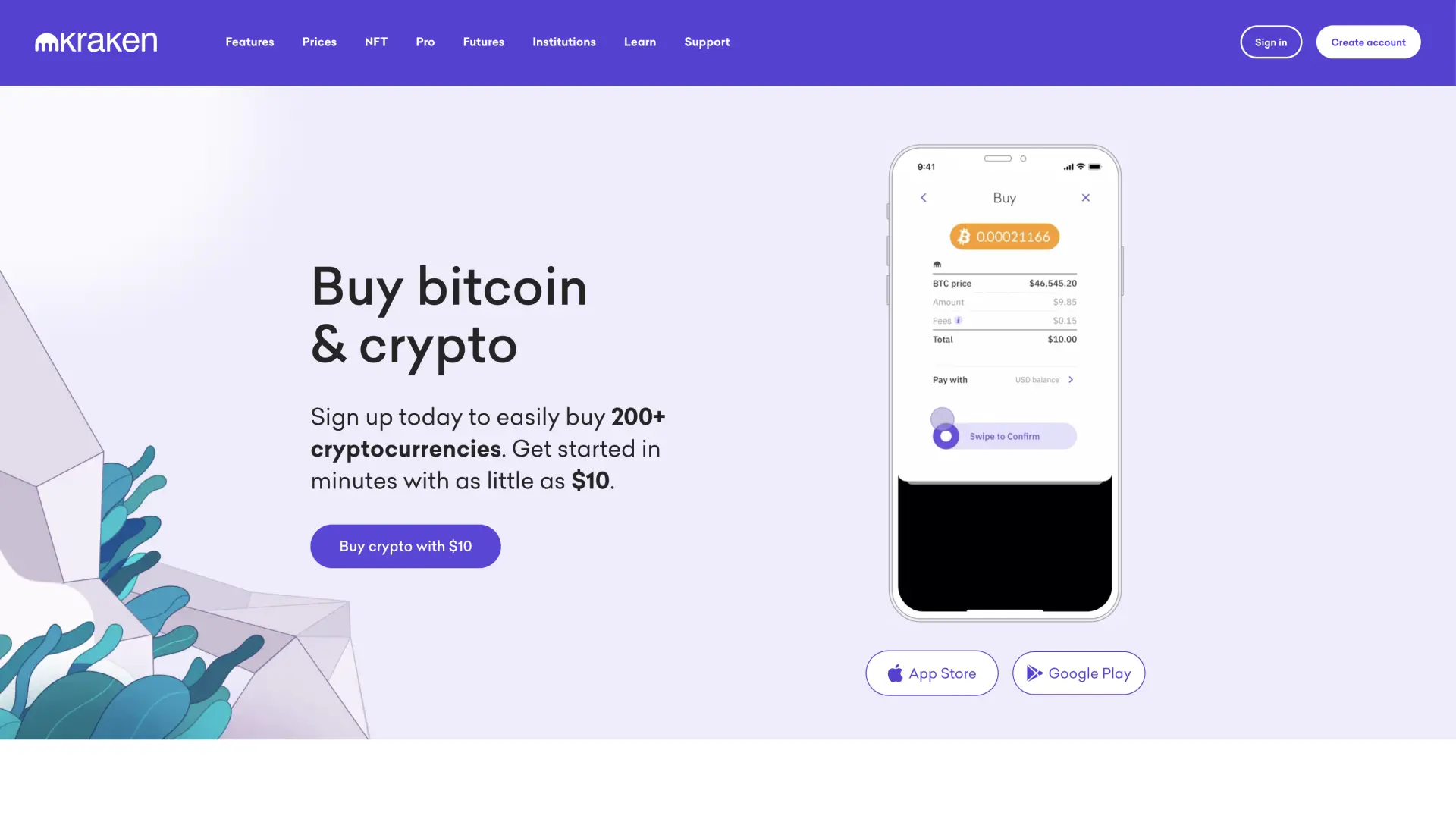
Launched in 2013, Kraken is a US-based crypto exchange known for its robust security measures and consistent performance. With billions in daily trading volumes, it’s a go-to choice for both novice and experienced traders worldwide.
Kraken supports a wide variety of cryptocurrencies—more than 300—and offers trading options like spot trading, margin trading with up to x5 leverage, and futures trading with leverage up to x50. The platform also provides staking opportunities for users looking to earn a passive income.
Deposits are supported in six major fiat currencies via multiple payment methods. Kraken’s transparent fee structure rewards high-volume traders with lower rates.
Pros
-
Strong security focus with no major breaches in its operating history
-
Competitive fee structure (maker 0.16%/taker 0.26%, decreasing with volume)
-
Over 200 cryptocurrencies available
-
Advanced trading features, including margin trading and futures
-
Excellent customer service reputation
-
Proof of reserves program for transparency
Cons
-
Interface not as beginner-friendly as competitors
-
Fiat deposit methods are more limited than some exchanges
-
The verification process can be lengthy
-
Mobile app functionality is not as robust as the desktop version
- Bitcoin
- Ethereum
-
Tether
83
No result
- Spanish
- English
-
French
4
No result
MEXC
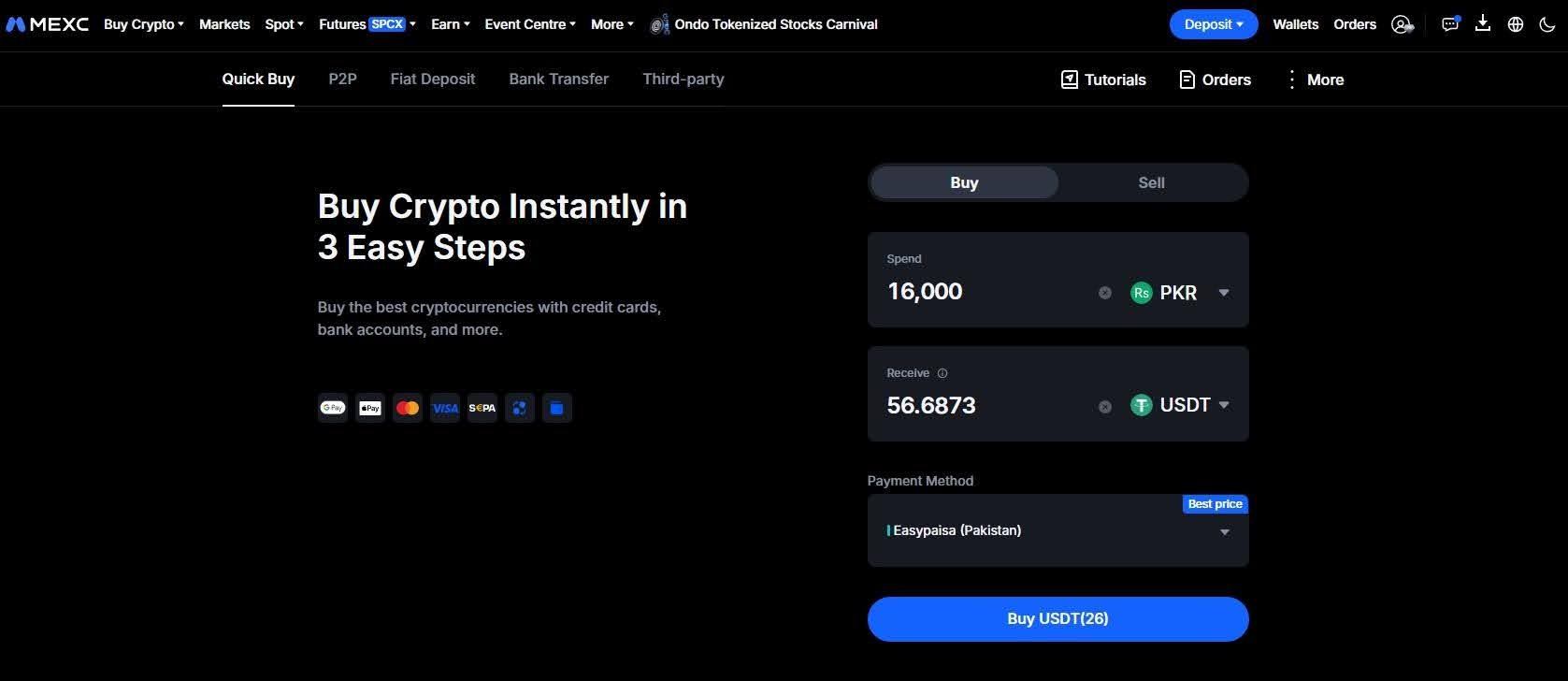
Since its establishment in 2018, MEXC has become one of the most popular cryptocurrency exchanges worldwide. While its services are expansive, it is unavailable to users in the United States and lacks detailed licensing disclosures.
The exchange supports over 2,500 cryptocurrencies and offers features like staking, spot trading, and high-leverage futures trading. Fiat deposits can be made via credit or debit cards. The platform’s fees are highly competitive, offering no maker fees and low taker fees.
Pros
-
An extensive selection of over 1,500 cryptocurrencies
-
Early listings of emerging projects
-
Competitive fee structure (0.2% standard)
-
No mandatory KYC for basic accounts
-
Multiple earning products (staking, Savings, etc.)
-
Futures trading with up to 200x leverage
Cons
-
Not available to US customers
-
Less established reputation than major exchanges
-
Lower liquidity for some trading pairs
-
Limited regulatory clarity
-
Complex interface for beginners
-
Customer service language barriers
- Shiba Inu
- Bitcoin
-
PAX Gold
72
No result
- English
- Turkish
-
Vietnamese
5
No result
OKX
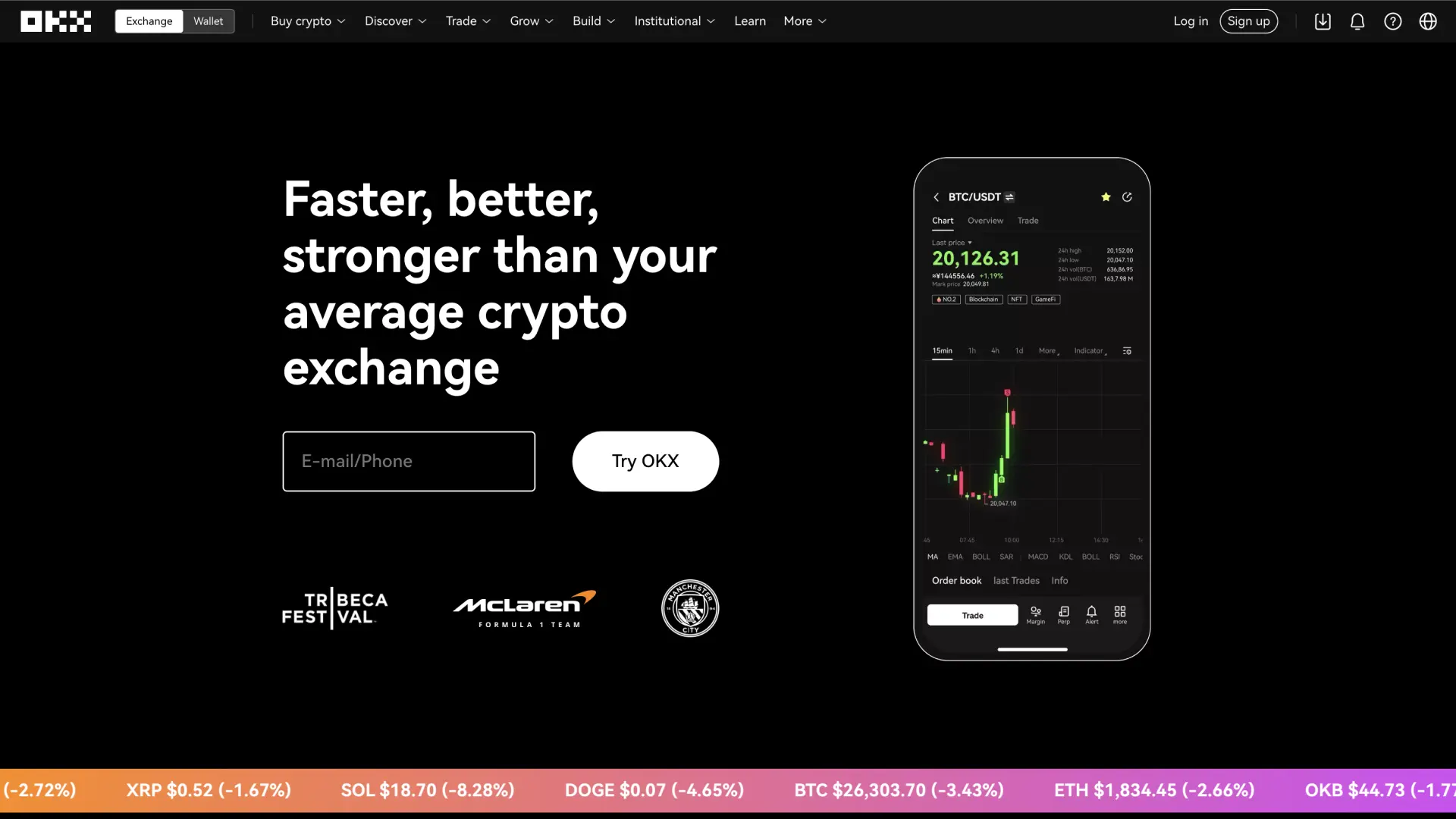
OKX, a leading name in cryptocurrency trading, was established in 2013. Known for its versatility, the platform offers access to over 350 cryptocurrencies and numerous trading features, although it is not available to US users.
Users can trade spot, futures, and options with leverage or engage in staking and bot trading. Fiat deposits are supported in various currencies through several payment options. OKX’s tiered fee structure provides discounts to high-volume traders.
Pros
-
Extensive product offering beyond spot trading (futures, options, DeFi)
-
Competitive fee structure (0.08% maker/0.1% taker for spot)
-
High liquidity for most trading pairs
-
Advanced trading features, including copy trading
-
Over 350 cryptocurrencies available
-
Strong mobile app functionality
Cons
-
Not available to US customers
-
Complex interface that can intimidate newcomers
-
Mixed reputation for customer service
-
Regulatory concerns in some jurisdictions
-
Withdrawal limits without full verification
- Bitcoin
- Ethereum
-
Tether
90
No result
- English
WazirX
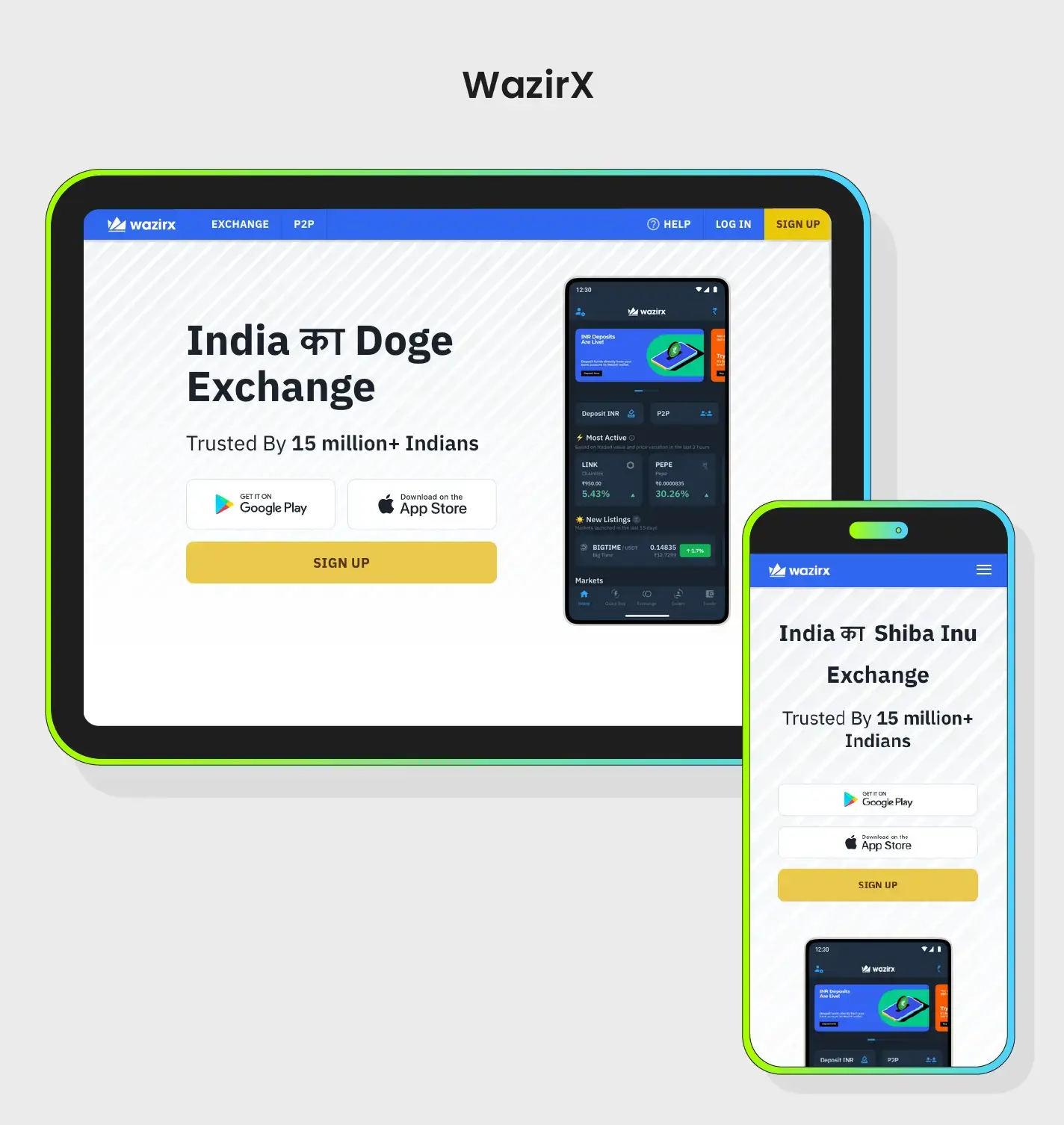
WazirX launched in 2018 as India's homegrown cryptocurrency exchange, quickly becoming one of the country's leading crypto trading platforms. The exchange was founded to serve the Indian market specifically, offering rupee trading pairs and catering to local payment methods that Indian users were familiar with.
In 2019, Binance acquired WazirX, which brought additional resources and global expertise while maintaining its focus on the Indian market. The platform represents India's growing crypto adoption and has played a significant role in making cryptocurrency trading accessible to millions of Indian users.
WazirX has navigated India's evolving crypto regulations while continuing to provide trading services, though it's faced various regulatory challenges that come with operating in a market where crypto rules keep changing.
Pros
-
Strong focus on the Indian market with rupee trading pairs and local payment method integration
-
Backed by Binance, providing additional security and technological resources
-
User-friendly interface designed specifically for Indian traders and newcomers to crypto
-
Wide selection of cryptocurrencies available for trading beyond just the major coins
-
Educational resources and community features to help Indian users learn about crypto
-
Mobile app with full trading functionality optimized for the Indian market
Cons
-
Regulatory uncertainty in India can affect platform operations and available features
-
Limited to primarily serving Indian users, restricting its global reach
-
Trading volumes can be lower than international exchanges during certain periods
-
Customer support may experience delays during high-demand periods
-
Banking integration challenges due to India's changing crypto banking policies
- 1inch Network
- Aave
-
Acala Token
151
No result
- English
- Hindi

Remitano

Remitano launched in 2015 as a peer-to-peer (P2P) crypto exchange focused on connecting buyers and sellers directly, particularly in markets where traditional banking access to crypto might be limited. The platform was designed to serve users in developing countries across Africa, Asia, and other regions where people needed more ways to buy and sell cryptocurrencies.
Remitano operates as an escrow service that holds funds during transactions, ensuring both parties complete their part of the deal safely. The exchange represents the democratization of crypto trading by allowing anyone to become a seller and set their own prices, while buyers can choose from multiple payment methods. It’s particularly popular in countries where local currency trading pairs and flexible payment options matter more than advanced trading features.
Pros
-
P2P trading system allows you to buy directly from other users at negotiable rates
-
Wide variety of local payment methods, including bank transfers, mobile money, and cash payments
-
Available in many developing countries where other exchanges have limited presence
-
Escrow system protects both buyers and sellers during transactions
-
Local currency support for numerous African, Asian, and other regional currencies
-
Lower barriers to entry since you don't need advanced trading knowledge to participate
Cons
-
Higher spreads than centralized exchanges due to its P2P nature
-
Transaction times can be longer since you're waiting for individual sellers to respond
-
Limited liquidity in some markets affects available trading options
-
Customer disputes may take time to resolve through the escrow system
-
No advanced trading features like charts or technical analysis tools
- Bitcoin
- Ethereum
-
Dogecoin
16
No result
- English
What are P2P Crypto Exchanges?
This is a quick walkthrough of what P2P exchanges entail.
| Critera | P2P Crypto Exchange |
|---|---|
| Core Function | Direct user-to-user trading |
| Key Security Features | Secure escrow system, dispute resolution team |
| Main Benefits | Privacy, extensive payment options, and no central intermediary |
| Primary Disadvantage | Transactions are slower, and there is less liquidity |
| Transaction Fees | People who create offers or sell crypto are usually charged 1%, while buying is free |
| User Verification Requirements | Users do not always have to verify their identity |
P2P vs. Centralized Exchanges (CEXs)
So, how do centralized vs decentralized exchanges compare? Both types of crypto trading platforms have a role in the industry, but they cater to different users. Generally, people seeking convenience and advanced trading tools prefer the best centralized exchanges (CEXs), while P2P exchanges suit privacy-conscious investors or people using exotic payment methods.
In addition to how trades are matched, verification requirements are a notable difference between P2P and centralized exchanges. Generally, P2P platforms have softer Know-Your-Customer (KYC) verification requirements, as they’re not bound by the same regulations as CEXs, due to not directly facilitating crypto purchases.
CEXs are beginning to integrate P2P marketplaces. Major platforms like Kraken, OKX, and eToro have implemented a P2P system that users can access without switching platforms or accounts. These integrated services are ideal for people who prefer decentralized trading but like the convenience of a CEX.
How Do Both Exchanges Work?
P2P crypto platforms are decentralized exchanges where users can create or browse buy/sell offers for crypto. There is no matching system; users select an offer and engage with the other party directly. Both users must negotiate and agree before proceeding with the trade, which takes longer than placing an order on a CEX.
P2P crypto exchanges provide escrow services to enable safe transactions. The platform temporarily takes custody of the seller’s crypto and locks it until the buyer sends the payment, and the transaction is approved.
A P2P platform does not have an order book or market makers. Instead, liquidity is derived directly from a listing’s maximum trade size and isn’t shared between users. Because the offer terms are set by whoever creates them, verification requirements are not always strict, so some P2P platforms support anonymous crypto trading.
Centralized crypto exchanges are typical crypto trading platforms. They’re managed by a central authority (the exchange operator) that can pause or suspend operations like trading or withdrawals. When users place a trade, it’s sent to the CEX’s order book, which acts as a record of all the trades users place
A CEX has a specialized matching engine that pairs orders based on the asset, volume, and price. The process is automatic, so users do not interact with each other directly, and it’s near instantaneous if there’s sufficient liquidity at a given price.
The exchange acts as a market maker (or employs an entity to do so), constantly placing buy/sell orders to ensure that the order book is populated. This bolsters liquidity, enabling efficient trade execution at reasonable prices.
What are the Key Differences between P2P and CEX?
To help our readers understand how P2P vs CEX platforms compare, we’ve created a table highlighting and comparing key aspects of all exchanges.
| Criteria | P2P Exchange | Centralized Exchange |
|---|---|---|
| KYC & Privacy | Softer KYC requirements. Better for privacy, as P2P platforms need less user information | KYC verification is mandatory on most trusted crypto exchanges |
| Fund Custody | Users have complete control of the funds as they’re distributed to a delegated wallet | Crypto purchased on a CEX and stored on the exchange is technically the exchange’s property until withdrawn |
| Payment Methods | P2P exchanges offer an extensive range of local, international, and physical payment methods | CEXs usually only accept credit/debit cards, bank transfers, or e-wallets (like PayPal) |
| Speed | Trades on a P2P exchange take much longer than a CEX, as both parties must approve elements of the transaction and wait for confirmations | Trades on a centralized exchange are almost instant because the platform handles order matching |
| Liquidity | The listing dictates liquidity on P2P platforms. Users can typically buy smaller amounts of crypto in one go | Centralized exchanges can facilitate large transactions and usually have much deeper liquidity than P2P platforms |
| Fees | There are usually no fees for buying crypto or engaging with listings on P2P exchanges, but people who create offers or sell often pay a 1% fee | The average trading fees on centralized exchanges are 0.1%, but they apply to every trade, not just sales |
How P2P Crypto Exchanges Work
If you’re not familiar with CEXs, using P2P exchanges can be complex. But the truth is that it is quite simple and straightforward. Things get simpler after the P2P trade process is clearly outlined.
The functionality of P2P crypto exchanges is based on the escrow system and ease of operation.
The Escrow System

The security level on a P2p exchange is quite high because the escrow system is the backbone of the crypto exchange. The escrow system is the heart of any P2P cryptocurrency exchange. It keeps both parties safe by ensuring that funds are only released after each user has completed their side of the transaction.
So, if you want to buy Bitcoin or any other cryptocurrency, the P2P transaction process is as follows:
- A person creates an offer to buy/sell crypto
- The seller’s crypto is sent to the escrow system and locked
- The buyer sends funds using the agreed-upon payment method
- The seller confirms they’ve received the payment
- The escrow system releases funds to the buyer
- With both parties paid, the transaction is complete
The escrow system is crucial to maintaining security throughout a P2P trade. It prevents either party from taking the other’s funds without approving the trade.
If a bad actor refuses to approve the trade after you’ve sent funds for a purchase, you’re safe because the crypto is locked in escrow. The moderation team will investigate and release the funds to the appropriate party.
People selling crypto are also protected. You don’t have to approve a transaction until you receive funds from the buyer. If the buyer disputes the transaction, the moderation team will verify whether a payment has been made and distribute the funds accordingly.
A Typical P2P Transaction Flow

The transaction flow for using the peer-to-peer option on an exchange is simple and safe. These are the steps.
- Create an Offer – Users will create an offer to buy/sell crypto. They dictate the terms, including payment, currency, price, and sometimes even reputation. A buyer can browse offers and find one that matches their requirements.
- Initiate a Trade – Then, the buyer must select an offer, input a purchase amount, and initiate a transaction. Before starting the trade, it is crucial to check the seller’s reputation score, history, and terms.
- Crypto is Locked – The P2P trading platform will automatically lock the crypto for safety to keep the buyer secure when sending their payment.
- Receive Payment Instructions – The seller will provide you with instructions on sending the payment. You must follow these guidelines to help ensure a successful transaction. Remember to look out for red flags like not wanting to use the escrow service or trying to move communications off the platform.
- Send Payment – Once the seller has explained how they would like the payment sent, transfer the appropriate amount of funds to the designated payment method. Recording your transactions can help with mediation in case of a dispute.
- Wait for Confirmation – For safety reasons, the seller must wait to receive the payment before releasing funds. You may have to wait some time before the funds are released. However, most P2P transactions come with a fixed time limit for buyers.
- Release Assets – Following the payment, the seller can release the escrow service crypto and send the funds to the buyer’s wallet.
- Leave Feedback – After the trade has concluded, you can rate the seller and leave feedback regarding the transaction to help other users determine whether the seller is legitimate and worth using.
But it is important to note that if you are a new user, a guide will be provided to you by most exchanges as you use the platform.
Risks & Security Measures of P2P Crypto Exchanges
There are some P2P crypto exchange risks to be aware of when transacting. You should take care to avoid scams and leverage the platform’s security features to maintain your safety. We go into more depth on P2P crypto risks below.
Common P2P Scams to Avoid

Even though P2P platforms usually have safety features such as user reputation scores and escrow services, they’re not immune to bad actors. Some of the most common P2P scams include:
1. Fake Payments
Scammers often create fake payment screenshots or receipts to trick users into releasing funds from escrow without actually sending the transaction. Receipts for services like MoneyGram and fraudulent bank transfer confirmations are some of the most common.
To prevent bad actors from using fake payments to steal your funds, you should always check your bank to confirm that you’ve received the payment. Never release funds if the money hasn’t arrived, even if the other party attempts to pressure or intimidate you into doing so.
2. Chargebacks
Another common way scammers exploit P2P trades is through chargebacks. Some payment methods, like credit cards, have a system for canceling payments, which criminals exploit to cancel a payment after you release the funds. Checks that you can’t cash are also prevalent and challenging to detect, as delays are typical.
You should never rush to approve a P2P transaction to combat chargeback attempts and ensure safe trading. Instead, wait until the funds have cleared in your account and it is physically present in your account balance. Moreover, you shouldn’t accept checks or unknown third-party payment processors, as chargeback rates are higher.
3. Off-Platform Transactions
Peer-to-peer crypto trading platforms offer various safety mechanisms and provide escrow services so people can trade safely. However, some people will request that a P2P transaction be handled off the platform, usually to reduce fees or speed up the deal. Doing so eliminates your protection and leaves you vulnerable to scams.
Never consent to off-platform transactions. Their purpose is almost always nefarious. Instead, you should only transact directly on the P2P platform, taking the correct precautions and following proper procedures outlined by the exchange.
How to Stay Safe During a Trade
We’ve compiled a few helpful tips that require minimal effort to help people learn how to use P2P crypto exchanges safely.
- Stick With The Platform: You should only use the P2P exchange’s chat and escrow service. Never swap platforms or handle the trade yourself, even if the other party suggests using a trusted middleman.
- Confirm Payments: Before releasing the trade, double-check that the money has cleared and is in your account, even if the other party sends you a confirmation screenshot or receipt.
- Reputation Score and History: The best P2P crypto platforms will give users a score or rating, similar to sites like eBay. Users with better ratings are more trustworthy, while you should avoid those with poor scores. Similarly, you can view user histories to see their successful and unsuccessful transaction ratios.
Platform Security Features

P2P exchanges offer security features to facilitate safe trading. Not all are enabled by default, so it is advisable to familiarize yourself with the tools standard on most platforms.
- Two-Factor Authentication (2FA): 2FA is the most common and essential security measure. Users must input a verification code sent to an email, phone number, or authentication app when logging into a platform or completing sensitive actions, like releasing funds in a trade.
- Identity Verification: While rarely mandatory, identity verification is typical on a P2P exchange. It lets people verify their identity to enhance trust. Users who create offers can opt to trade exclusively with verified users, helping to prevent scam attempts.
- Transaction Monitoring: Most P2P platforms will have a system for monitoring chat messages to identify suspicious activities, most commonly, requesting communication via other channels (such as a mobile number or email).
- Dispute Resolution Team: If issues arise during a transaction that the users cannot resolve, traders can involve the dispute resolution team. They mediate both parties, reviewing evidence like chat logs and payment receipts. The team can release funds in escrow or cancel a transaction to find an amicable solution.
Are P2P Crypto Exchanges Safe?
Peer-to-Peer (P2P) crypto exchanges are powerful platforms that enable decentralized trading within a secure environment designed to protect buyers and sellers. Some P2P crypto exchange benefits include enhanced privacy, many payment options, including the use of debit and credit cards to buy crypto, and fewer verification requirements.
P2P exchanges have disadvantages, such as longer transaction times and less liquidity. However, the pros outweigh the cons. With many centralized platforms integrating P2P exchanges as a decentralized alternative, the future of crypto exchanges could be peer-to-peer.
Our P2P trading conclusion is that the platforms are a secure, powerful, and flexible alternative to centralized exchanges, particularly if you’re privacy-conscious. They’re decentralized, so users have total control over their assets and trades.
FAQs
What are the typical transaction limits on a P2P exchange?
Unlike a centralized exchange, P2P platforms rarely have fixed transaction limits. Instead, the person who creates an offer sets the maximum and minimum trade size. Some people set limits of $250, while others go as high as $250,000. However, some platforms will limit trade size for people without identity verification.
What's the main difference between a P2P exchange and a DEX (Decentralized Exchange)?
Based on our P2P crypto exchange reviews, the main difference between a P2P exchange and a DEX is how orders are matched and where liquidity comes from. On P2P marketplaces, liquidity depends on individual offers, and there’s no central matching system, while DEXs pull from a shared liquidity pool and use an automatic system.


