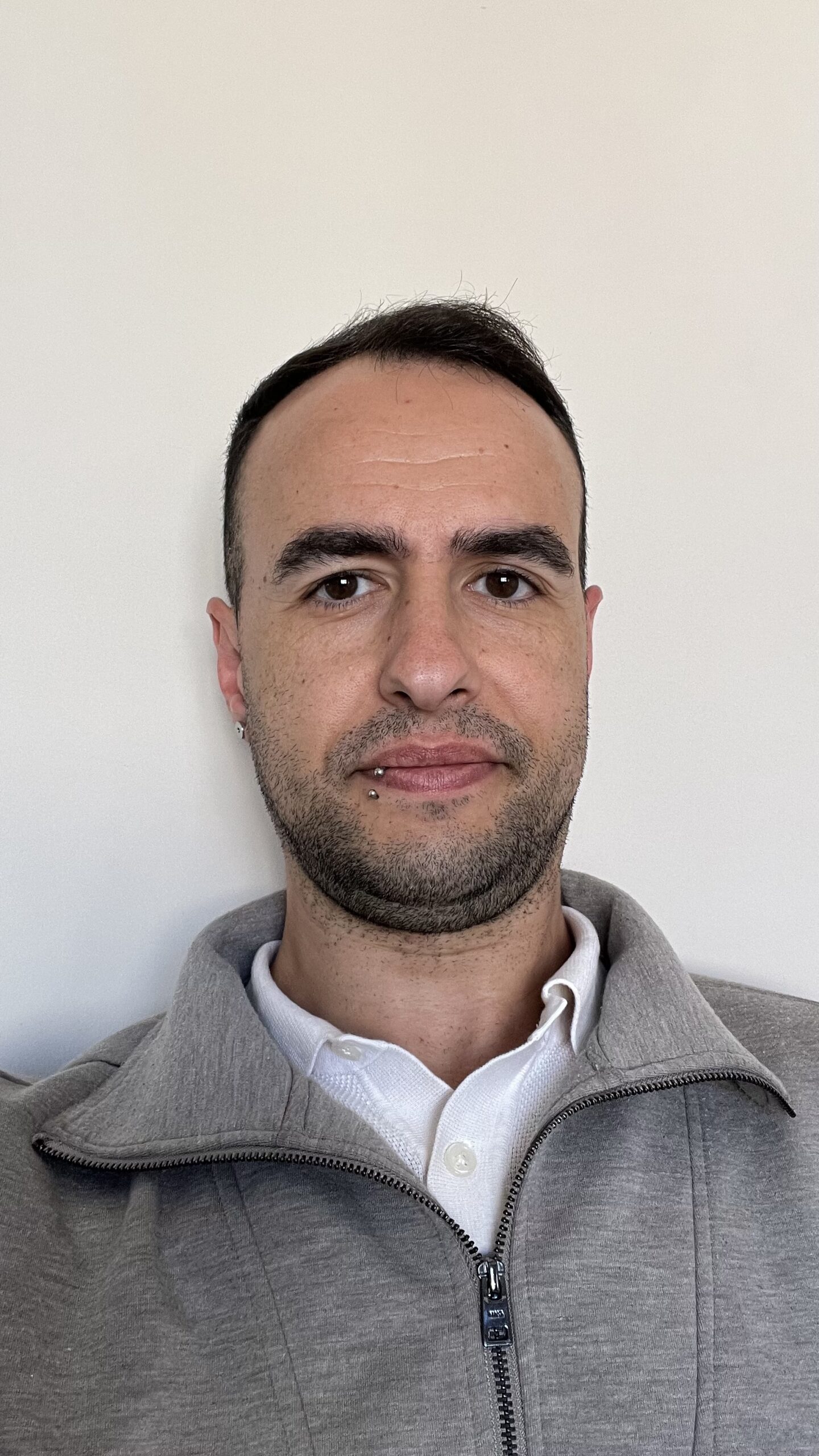

Ben Pasternak’s recent crypto arrest in New York put his name back in headlines, but not for product launches or startup growth.
Authorities charged him over an alleged assault, while separate reporting has linked his ventures to investor disputes involving token-based projects. That overlap shows how quickly tech founders can move from innovation to scrutiny.
Over the past decade, crypto arrests have followed a similar path, shifting from niche enforcement to cases involving billions of dollars, cross-border investigations, and coordinated regulatory action.
This list ranks the highest-profile crypto arrests based on financial damage, legal consequences, and the extent to which each case changed the industry.
The 10 Highest Profile Crypto Arrests
| Name | Alleged Offense | Impact |
|---|---|---|
| Sam Bankman-Fried | FTX fraud | ~$8 billion losses, exchange collapse |
| Changpeng Zhao | AML violations | ~$4.3 billion penalties, leadership change |
| Do Kwon | Terra fraud | ~$40 billion market wipeout |
| Alex Mashinsky | Celsius fraud | Billions in customer losses |
| Ben Pasternak | Assault charges | Believe token disputes, investor losses reported |
| Arthur Hayes | AML violations | BitMEX compliance precedent |
| Ruja Ignatova | OneCoin fraud | Over $4 billion investor losses |
| Ross Ulbricht | Silk Road operations | Early crypto enforcement case |
| Charlie Shrem | Money transmission violations | Early Bitcoin precedent |
| Satish Kumbhani | BitConnect fraud | ~$2.4 billion alleged scheme |
Sam Bankman-Fried, Former FTX CEO
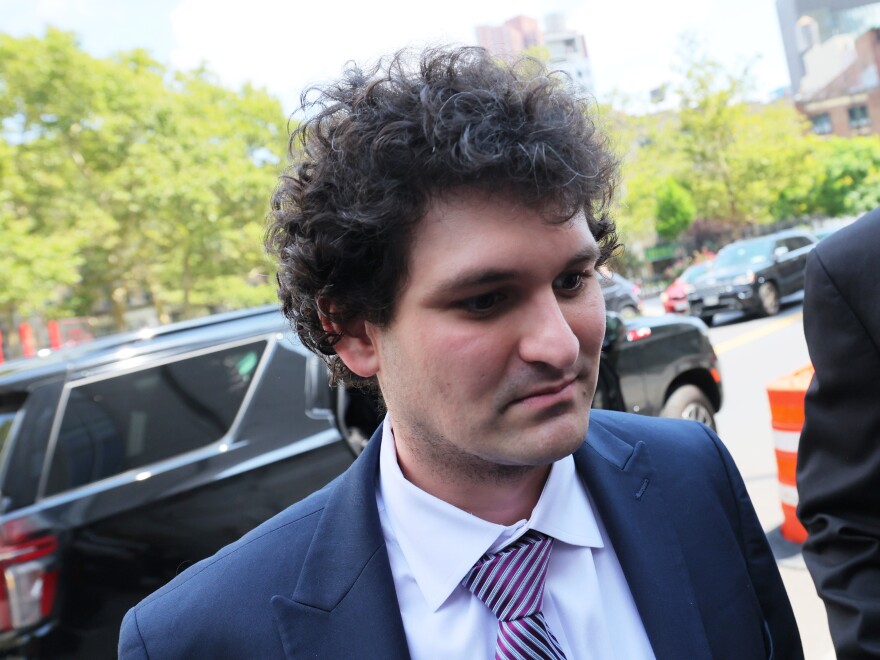 FTX grew rapidly before collapsing in late 2022 when the exchange could not meet withdrawal requests. Investigators later showed that customer funds had been redirected to affiliated trading operations, creating a liquidity gap that became impossible to cover once withdrawals surged.
Authorities arrested Sam Bankman-Fried in the Bahamas and extradited him to the United States. A federal court later sentenced him to 25 years in prison. Prosecutors reported about $8 billion in customer losses, which triggered failures across multiple crypto firms and exposed how large-scale crypto scams can spread across the market.
The collapse also forced exchanges to respond publicly. Many introduced proof-of-reserves reports, although these disclosures still vary widely and often exclude full liability data.
- Arrested for: FTX fraud and misuse of customer funds
- Sentence/Legal outcome: 25-year prison sentence
Changpeng Zhao (CZ), Binance Founder and Former CEO
 At its peak, Binance handled more crypto trading volume than any other exchange. That scale drew attention once regulators identified gaps in its compliance systems.
US authorities charged Changpeng Zhao with failing to maintain proper anti-money laundering standards. He pleaded guilty, and regulators imposed about $4.3 billion in penalties on Binance. The resolution stands as one of the largest financial enforcement actions in crypto
The case pushed exchanges to tighten identity checks and monitoring systems. Even so, enforcement remains uneven, especially across jurisdictions with lighter regulatory frameworks.
- Arrested for: AML violations under the Bank Secrecy Act
- Sentence/Legal outcome: 4-month prison sentence
Do Kwon, Terraform Labs Co-Founder
 The collapse of TerraUSD began with a loss of confidence in its algorithmic design, which relied on market incentives rather than direct reserves. Once selling pressure accelerated, the system could not stabilize itself.
Authorities arrested Do Kwon in Montenegro in 2023 after he attempted to travel with falsified documents. The collapse erased about $40 billion in market value, based on reported estimates, and triggered losses across hedge funds and lending platforms.
He now faces US fraud charges tied to stablecoins and investor disclosures. Similar models still exist, but investors now treat them with far more caution.
- Arrested for: Fraud tied to TerraUSD and LUNA collapse
- Sentence/Legal outcome: Ongoing US proceedings
Alex Mashinsky, Celsius Network Founder
 Celsius positioned itself as a safer way to earn yield on crypto deposits, offering returns that outpaced traditional finance. That promise attracted a large retail user base.
When markets tightened in 2022, the platform froze withdrawals and later entered bankruptcy. Authorities charged Alex Mashinsky with misleading customers about liquidity and risk. He pleaded guilty and received a 12-year prison sentence.
The collapse led to billions in reported customer losses and exposed structural risks in crypto lending platforms. Many platforms reused customer deposits across multiple trades, which amplified losses when prices dropped.
- Arrested for: Fraud and misleading investors
- Sentence/Legal outcome: 12-year prison sentence
Ben Pasternak, Believe Founder

New York authorities arrested Pasternak on April 21, 2026 on assault and second-degree strangulation charges tied to an alleged March 31 incident. He pleaded not guilty and is scheduled to return to court on June 11 2026.
Separate from the criminal case, investors have filed civil claims tied to Believe-linked tokens such as $PASTERNAK and $BELIEVE. Reports say these claims involve forced token migrations, liquidity shifts, and significant losses after project changes, although these allegations remain unproven and unresolved.
- Arrested for: Assault and second-degree strangulation charges
- Sentence/Legal outcome: Pleaded not guilty, case ongoing
Arthur Hayes, BitMEX Co-Founder
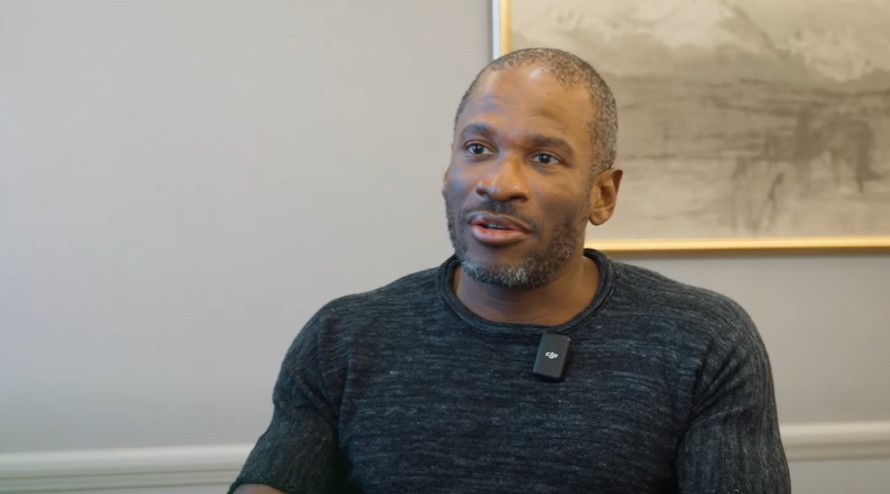 Before stricter compliance became common, BitMEX built a derivatives exchange that allowed high-leverage trading with limited identity checks. That model attracted global users and significant trading volume.
US authorities later charged Arthur Hayes with failing to implement anti-money laundering controls. He surrendered, pleaded guilty, and received a sentence of home detention.
The case confirmed that offshore exchanges still face US enforcement when they serve US users. It also increased regulatory focus on derivatives platforms, where leverage can magnify both gains and systemic risk.
- Arrested for: AML violations
- Sentence/Legal outcome: 6 months home detention
Ruja Ignatova, OneCoin Founder
 OneCoin attracted investors worldwide by presenting itself as a cryptocurrency, despite lacking a functional blockchain. Instead of operating as a decentralized network, the project relied on centralized control and internal accounting, which allowed it to scale rapidly without independent verification of transactions or supply.
Authorities later described OneCoin as a large-scale fraud operation. Reports estimate more than $4 billion in investor losses, although totals vary based on available data. The scheme expanded through aggressive marketing and referral incentives, which helped it spread across Europe, Asia, and other regions without meaningful regulatory oversight.
Ruja Ignatova disappeared in 2017 and remains at large. Her case exposed how cross-border crypto projects without transparent infrastructure could attract global investment while avoiding early detection by financial regulators.
- Arrested for: Not arrested (fugitive in fraud case)
- Sentence/Legal outcome: Remains at large
Ross Ulbricht, Silk Road Founder
 Silk Road operated as an online marketplace that used Bitcoin to facilitate transactions involving illegal goods. It enabled buyers and sellers to transact pseudonymously, making it one of the first large-scale platforms to use crypto for global commerce outside traditional financial controls.
Authorities arrested Ross Ulbricht in 2013 after tracing activity on the platform and linking it to his identity. Investigators combined blockchain analysis with traditional digital forensics, which became a model for how law enforcement tracks crypto-related activity.
A court sentenced him to life in prison, although a Donald Trump pardon in 2025 later changed his legal status. The case set an early precedent for how authorities approach darknet markets and pushed exchanges and regulators to monitor Bitcoin transactions more closely.
- Arrested for: Operating Silk Road marketplace
- Sentence/Legal outcome: Life sentence, later pardoned
Charlie Shrem, BitInstant Co-Founder
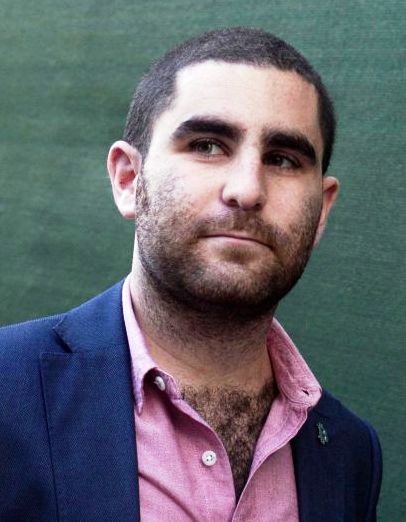 As one of the earliest Bitcoin entrepreneurs, Charlie Shrem helped users move funds between traditional banking systems and crypto markets through BitInstant. That role made the platform one of the earliest crypto onramps and offrampsinto Bitcoin.
Authorities later charged him with facilitating transactions tied to Silk Road users. He pleaded guilty and served a two-year sentence.
The case marked a shift toward holding intermediaries accountable, not just end users. It also pushed early payment processors and exchanges to introduce stronger compliance controls around fiat-to-crypto transfers.
- Arrested for: Unlicensed money transmission
- Sentence/Legal outcome: 2-year prison sentence
Satish Kumbhani, BitConnect Founder
 BitConnect drew global attention by promising consistent returns through a proprietary trading system that was never clearly explained.
US prosecutors alleged about $2.4 billion in losses, although estimates vary depending on how investor exposure is calculated. The model relied heavily on continuous inflows rather than verifiable trading activity, as outlined in the SEC BitConnect enforcement release.
Satish Kumbhani was indicted in 2022, and his current status remains unresolved. The case remains a benchmark for identifying Ponzi-style dynamics in crypto markets.
- Arrested for: Indicted for BitConnect fraud
- Sentence/Legal outcome: Status unresolved
Closing Thoughts
Crypto enforcement now reaches every part of the ecosystem, from exchanges to lending platforms and transaction tools. Early cases focused on marketplaces like Silk Road, while newer ones involve global companies managing billions of dollars in assets.
Cases like FTX and Binance show how quickly failures at large platforms can ripple across the market. Unresolved investigations such as BitConnect and OneCoin show that enforcement still moves more slowly than parts of the industry.
New exchanges, token launches, and lending platforms continue to emerge faster than regulators can track them, and that gap continues to shape where risk builds across the market.