- Best Hot Wallets for Nigeria: Online Storage
- Best Cold Wallets for Nigeria: Offline Storage
- Top Crypto Wallets for Nigerian Users
- Best Crypto Wallets in Nigeria Review
- Key Features Crucial for Nigerian Users
- Wallet Security Best Practices for Nigerian Users
- Conclusion & Final Recommendation
- Frequently Asked Questions (FAQs)
Best Crypto Wallets in Nigeria 2026 – Security, P2P/Local Payments & Mobile Reviewed

- When you click links on this page, we may earn an affiliate commission. By using this website you agree to our terms and conditions and privacy policy.
- Participation in online gambling may be illegal in your country and is subject to age restrictions (18, 19, or 21, depending on the jurisdiction). Verify legality and age requirements before participating. Learn more
Nigeria ranks sixth in the Chainalysis Global Crypto Adoption Index, highlighting its significant demand for cryptocurrency. We will admit that the crypto terrain in Nigeria is becoming unpredictable, hence the need for the best crypto wallets that allow Nigerians to trade, manage, and keep their investments safely.
The use of a secure self-custody crypto wallet reduces the risk amid uncertainty with Nigerian regulations for crypto. While we maintain the importance of local payment systems with accessible fiat gateways, such as Peer-to-Peer (P2P) trading marketplaces, security is the most important.
Throughout this guide, we’ll look at the best crypto wallets in Nigeria, comparing and recommending them based on security measures, local payment support, and ease of use. We also discuss key features to look out for and explain how to enhance your crypto security. Let’s get started.
Best Hot Wallets for Nigeria: Online Storage
Hot wallets are easy to set up, and some of the top crypto exchanges offer users a crypto wallet option. These are the best hot wallets for Nigeria in 2026.
- Zengo Wallet – Best MPC Hot Wallet
- Binance Wallet – Best Hot Wallet for Long-term Investment
- Bitget Wallet – Best Hot Wallet for Beginners
Best Cold Wallets for Nigeria: Offline Storage
If you want to save your investments off the internet, these cold wallet options would be great.
- Tangem Wallet – The Most Secure Cold Wallet
- Blockstream Wallet – Best Cold Wallet for Intermediate Users
- Bitkey Wallet – Best Cold Wallet without Bluetooth
Top Crypto Wallets for Nigerian Users
Best Crypto Wallets in Nigeria Review
Safepal
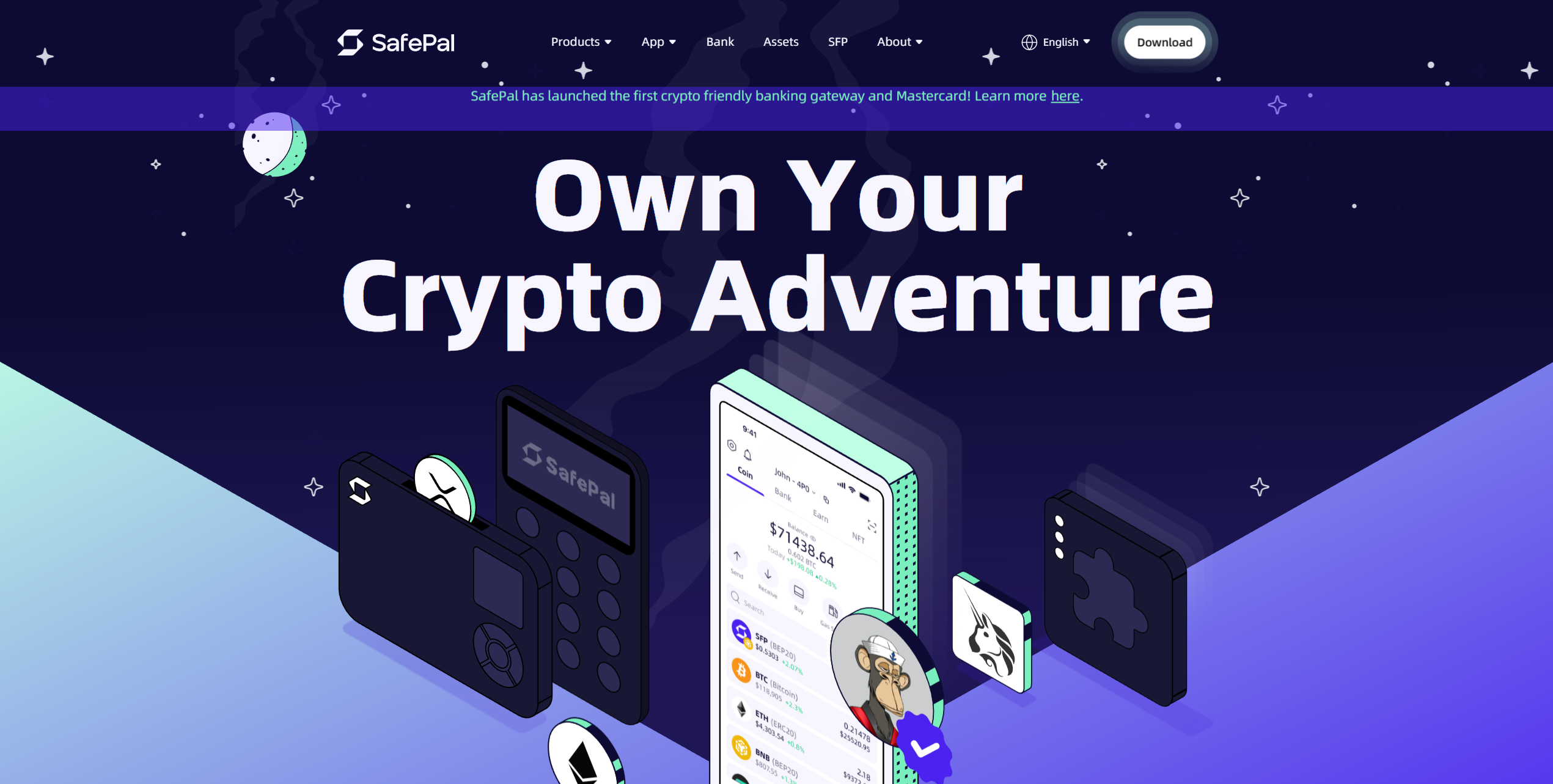
SafePal is a robust crypto wallet available as a mobile app for Android/iOS devices and a physical hardware wallet. The app is free, while the SafePal S1 costs $49.99, making it the cheapest hardware crypto wallet for Nigeria. A premium metal version with a larger battery costs $89.99.
The app supports dApp connections, crypto purchases, and swaps. Moreover, it provides market data to enhance decision-making and an auto-compounding yield aggregator, allowing individuals to earn rewards from their holdings. The hardware wallet features an EAL6+ security chip, a 100% air-gapped design, and a battery that enables portable use.
With SafePal available at multiple price points, supporting over 200 blockchains, and accepting more than 10,000 tokens, it's an excellent choice for individuals new to crypto who want the option to upgrade their security later while maintaining a familiar interface.
Pros
-
Price points for all budgets
-
EAL6+ security chip (SafePal S1 / S1 Pro)
-
Air-gapped for enhanced security
-
Supports many blockchains
-
SafePal app is multi-functional
Cons
-
The premium version offers minimal benefits
-
The 1.3-inch screen could be difficult to read
- Bitcoin
- Ethereum
-
Tether
89
No result
- English
- German
-
Spanish
12
No result
Kraken
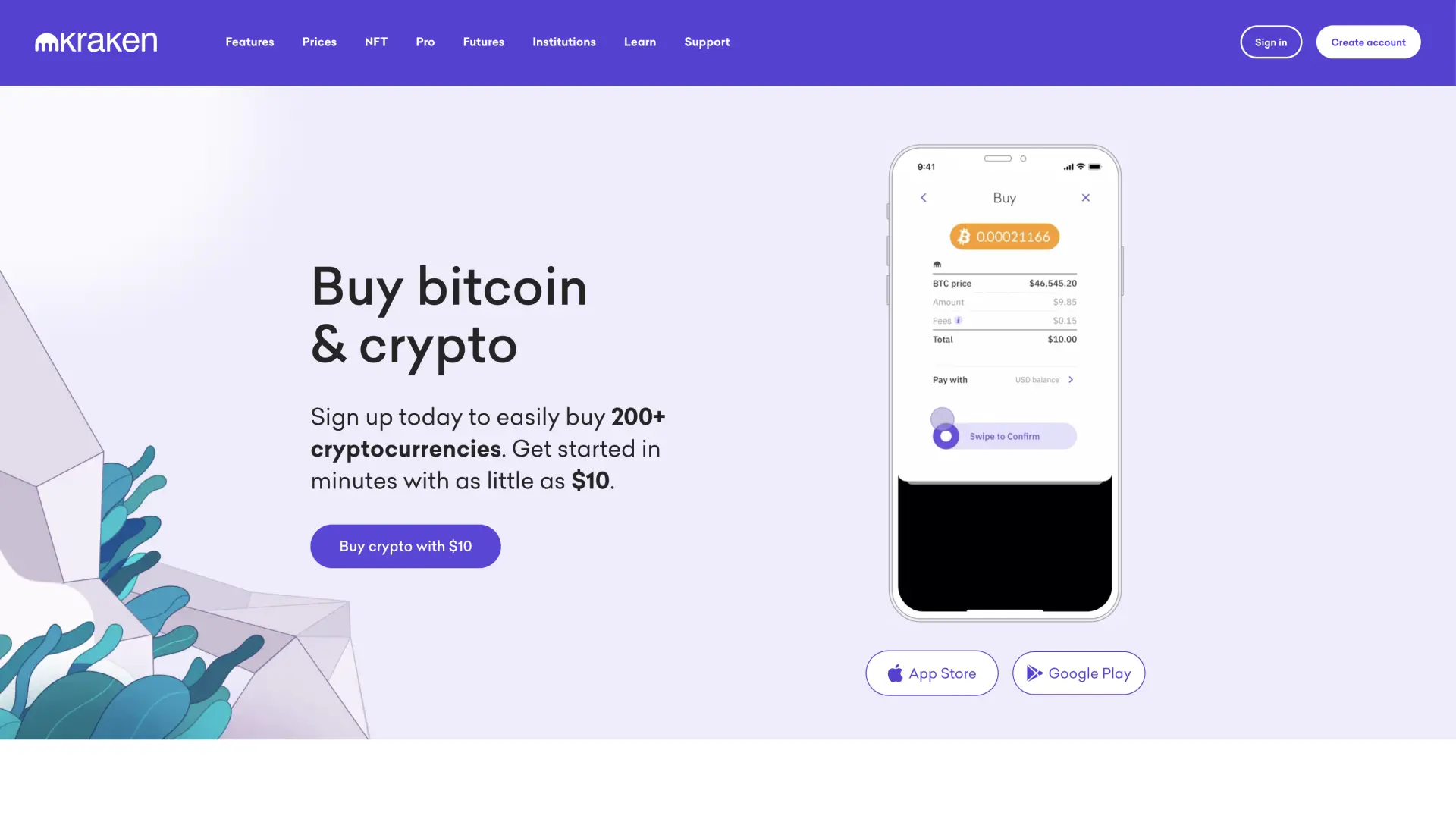
Established in 2011, Kraken is a trusted cryptocurrency exchange renowned for its longevity and diverse trading interfaces, catering to a broad user base.
- Bitcoin
- Ethereum
-
Tether
83
No result
- Spanish
- English
-
French
4
No result
Zengo
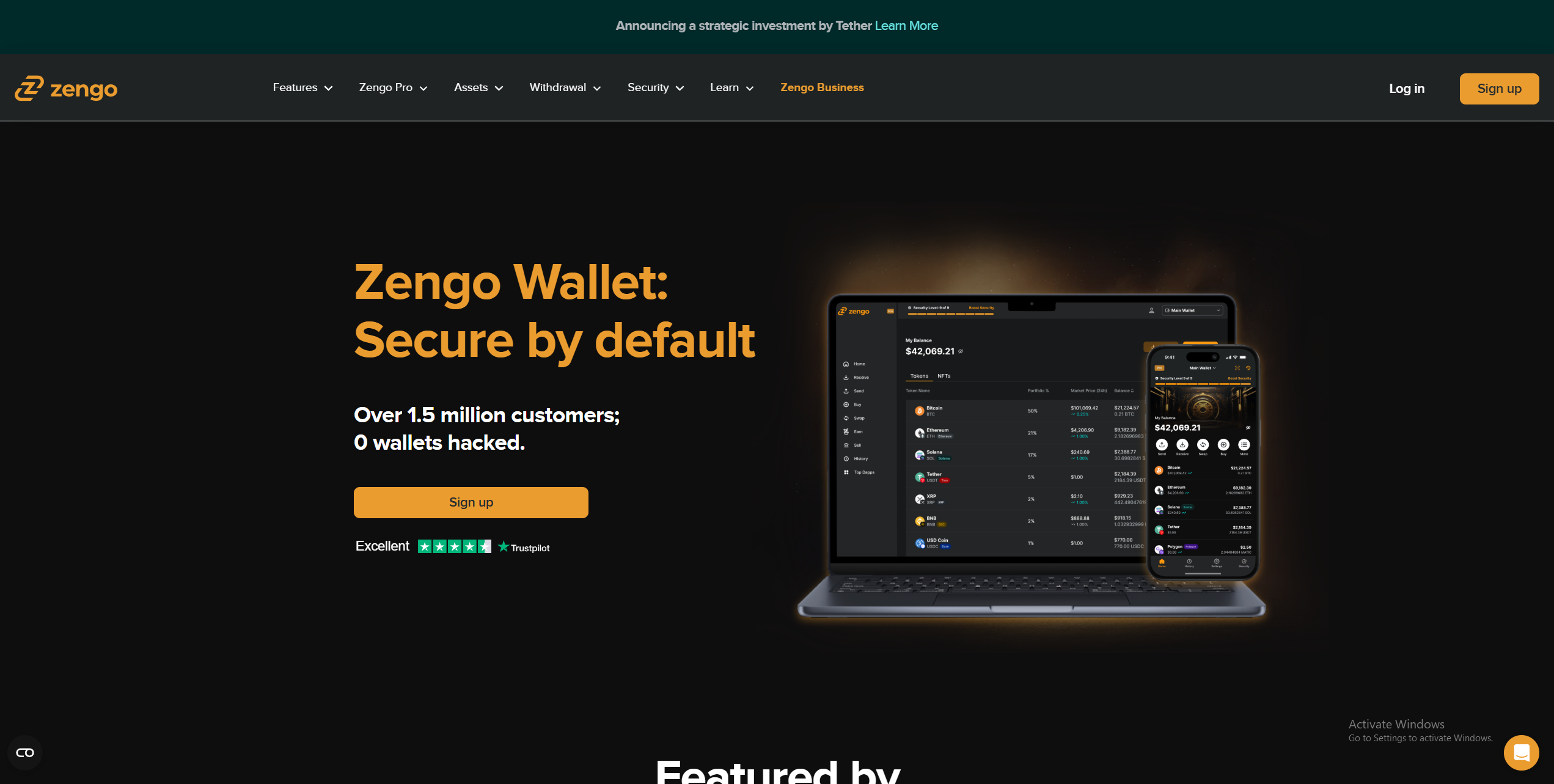
If you're looking for hardware wallet-grade security and the convenience of a software wallet, Zengo is worth considering. It replaces vulnerable seed phrases with Multi-Party Computation (MPC) technology, distributing parts of the private key (key shares) between devices without revealing the entire key. This system enhances security and facilitates easy recovery.
Users can store up to 523 assets on Zengo and create five segregated wallets, which helps them manage and track their investments efficiently. Zengo also has a 'Legacy Transfer' feature, enabling inheritance-style asset delegation. For recovery purposes, Zengo requires users to save a backup key and take a face scan.
Zengo is available on desktop and mobile, supports dApp connectivity, allows users to stake crypto, and offers a fiat on-ramp. It's an excellent option for individuals who want to maximize their security without investing in a hardware wallet.
Pros
-
No upfront cost
-
Utilizes MPC technology to enhance security
-
Multi-purpose wallet
-
Available on mobile and desktop
-
Supports buying crypto in Nigeria
Cons
-
NGN is unsupported for purchases
-
Stores fewer assets than alternatives
- Bitcoin
- Ethereum
-
Tether
68
No result
- English
Blockstream
Zengo is the best mobile wallet for Nigeria. The app is available on Android and iOS devices, making access straightforward. Moreover, its interface is intuitive and approachable for beginners and experienced users. The homescreen contains key information and quick links to the buy/sell and swap tools.
Access is easy thanks to Zengo's use of biometric security, e.g., fingerprint scanning. It supports Nigerian Naira purchases in Nigeria and internationally, and cashing out via MoonPay and Ramp. A premium version, available for $19.99 per month, offers fee discounts, legacy (inheritance) transfers, faster support, and segregated wallets.
Most importantly, Zengo boasts first-class security measures. It utilizes MPC technology to eliminate vulnerable seed phrases while enhancing security. Multi-Factor Authentication (MFA) via your email, biometrics, and recovery file enables recovery even if one method is lost. With a great experience and top-tier security, Zengo is a top non-custodial wallet for Nigeria.
Pros
-
Free and paid plans
-
MPC wallet enhancing security
-
Supports NGN purchases
-
MFA recovery system
-
Additional useful features
Cons
-
Certain features are restricted to paid plans
-
Lack of NGN support
Bitkey
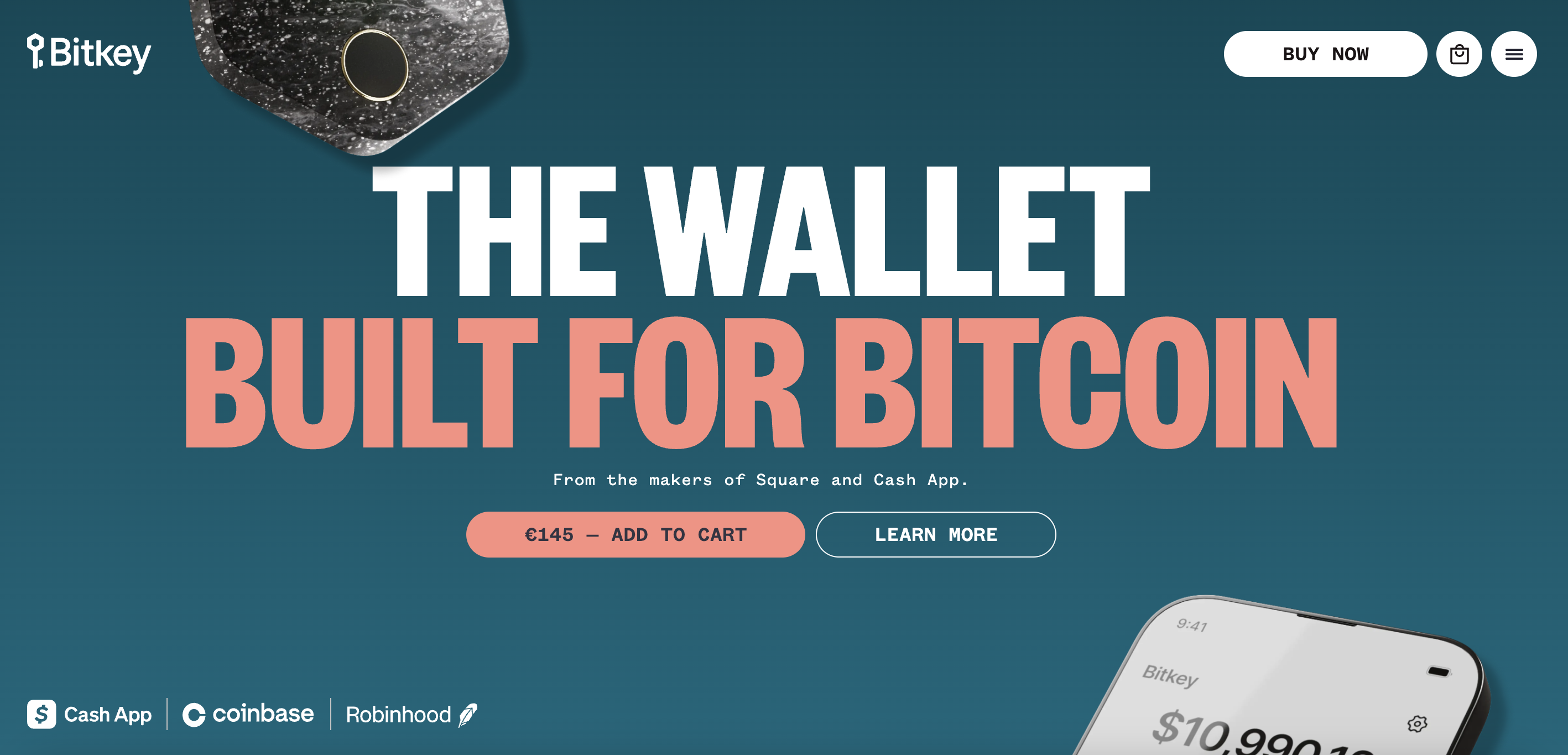
Bitkey is a multi-sig crypto hardware wallet. It splits the private key into three key shares stored in the hardware device, the user's phone, and the Bitkey server. Accessing the wallet requires a user and server key share, enabling recovery, even if the phone or hardware wallet is lost.
The device can store Bitcoin exclusively; no altcoins or NFTs are supported. However, users benefit from an inheritance feature similar to Zengo, enabling them to add a beneficiary who'll receive their BTC if they pass.
Users can purchase a Bitkey for $150, a price comparable to other premium hardware wallets. While it's limited by only supporting Bitcoin, the Bitkey is a reasonable choice for dedicated BTC investors who require solid recovery options.
Pros
-
Simple recovery system
-
Accessible even if the phone or hardware wallet is lost (not both)
-
Inheritance system for passing investments to loved ones
-
Simple to use hardware wallet
Cons
-
Only supports BTC
-
High price tag for its functionality
- Bitcoin
- English
Tangem
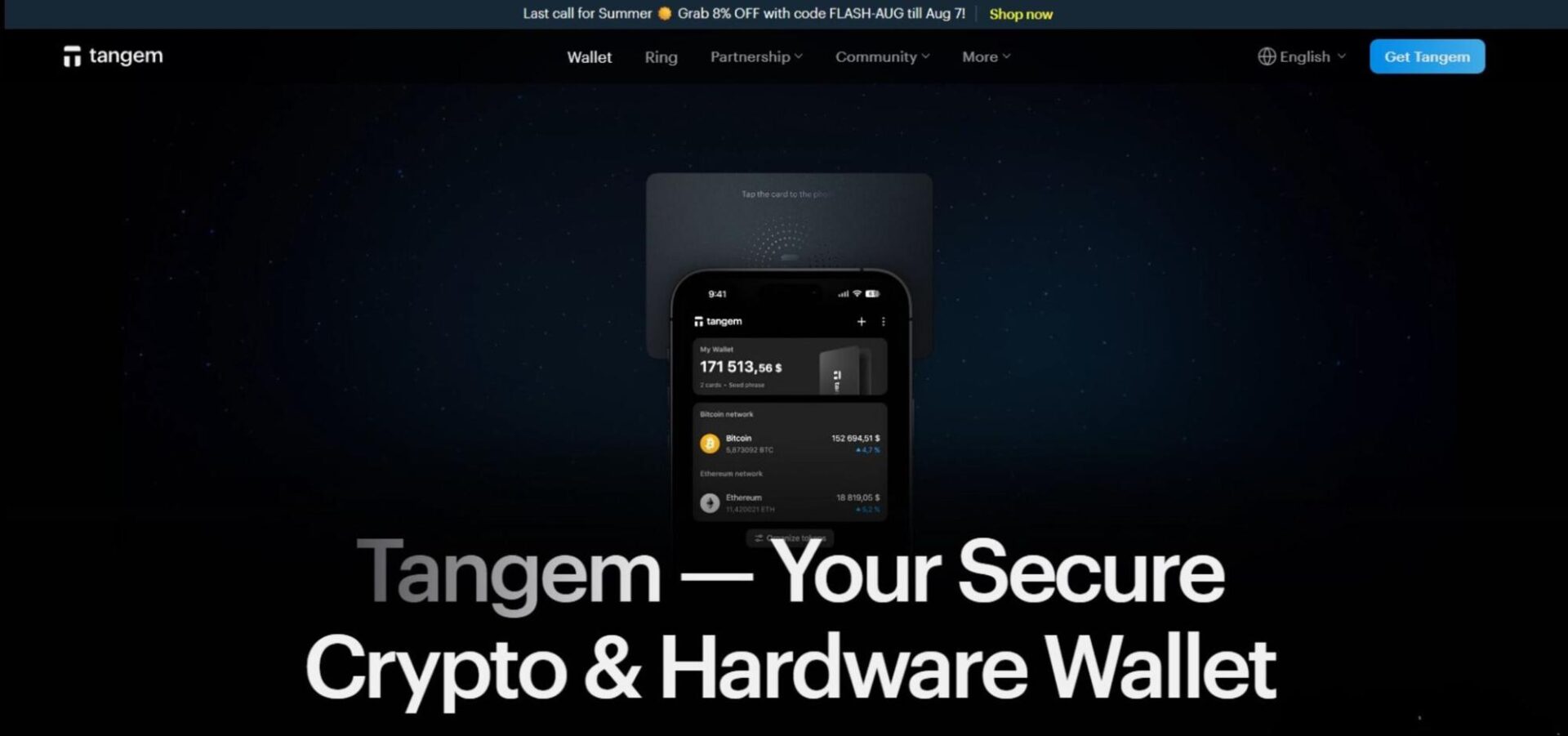
If you're looking for a non-custodial wallet in Nigeria, consider Tangem, a unique credit card-style hardware wallet. It's entirely offline, requires no battery or charging, and features zero external connectivity, besides a low-energy NFC chip. The wallet connects to an Android/iOS mobile app, but doesn't support desktop PCs or laptops.
The wallet comes in two-card ($54.90) or three-card ($69.90) packs, providing a backup in case one of the cards is lost. Tangem also offers a bundle with a ring and two cards for $150. Tangem wallets support over 16,000 cryptocurrencies and 85 blockchains, providing massive flexibility.
The wallet supports crypto staking, crypto-to-crypto swaps, and connecting to Decentralized Applications (dApps) via WalletConnect. Overall, Tangem is a strong choice for a cost-effective and fully offline hardware wallet.
Pros
-
Entirely offline
-
Supports many cryptocurrencies
-
Available at multiple price points
-
Easy to transport
Cons
-
Requires a mobile app
-
Requires an initial investment (purchase price)
- Bitcoin
- Ethereum
-
Tether
70
No result
- English
- German
-
French
3
No result
Key Features Crucial for Nigerian Users

Every country, including Nigeria, has unique crypto regulations and banking situations that impact access to investments, particularly into relatively new markets like cryptocurrency. Understanding the local crypto space is crucial for selecting crypto wallets in Nigeria.
1. Local Payment/P2P Functionality
Being able to pay for crypto with your local currency streamlines the investing process and saves on currency conversion and bank transfer fees. Moreover, a Nigerian Naira fiat gateway makes it much easier to cash out investments to a bank account, enhancing flexibility.
When choosing a crypto wallet, particularly an exchange wallet, look for platforms that support NGN purchases, deposits, and withdrawals. Nigerian P2P platforms are generally the best, as they enable transactions with other Nigerians using local payment methods or bank transfers, resulting in a more seamless experience.
Bitget is the best local crypto exchange in Nigeria. It supports NGN deposits via a P2P marketplace and third-party implementations. Moreover, it offers both custodial and non-custodial wallet options, as well as dApp support.
2. Regulatory Compliance and Custody
Understanding the differences between custodial vs non-custodial wallets is essential for selecting the best crypto wallets for Nigeria.
The issuer of custodial wallets, such as Binance and Bitget, controls their private keys. Users typically access the wallet via username/email and password. This approach benefits beginners by eliminating the risk of losing or exposing their seed. However, custodial wallets do not provide complete ownership of assets.
Non-custodial wallets are entirely user-managed. They handle the private keys, and the issuer cannot access the wallet. Experienced users prefer these wallets as they offer greater control and security. However, seed phrase management and storage are crucial, as anyone with them can access your wallet and any funds it contains.
Due to uncertainty in Nigerian crypto regulation, users should generally opt for non-custodial wallets or at least move long-term investments to self-custody. For example, the Central Bank of Nigeria moved to block specific P2P platforms in 2024, citing them as causing Naira weakness, but it began easing restrictions in 2025.
3. Biometric and Multi-Factor Authentication
Security should be your top priority when reviewing your wallet options. According to FBI data shared by Nairametrics, a Nigerian business newspaper, crypto-related scams resulted in over $9 billion in losses throughout 2024. In developing economies, investment scams are particularly prevalent, making solid security essential.
To combat bad actors and make your wallet more secure, look for options that offer biometric security (such as fingerprint or face recognition) and two-factor authentication (2FA) or Multi-Factor Authentication (MFA). MPC wallets are also great as they eliminate the most significant risk: accidentally exposing your seed phrase.
Wallet Security Best Practices for Nigerian Users

Even if you’re using the most secure crypto wallet in Nigeria, you could leave yourself vulnerable if you make any of these common mistakes:
Protecting Your Seed Phrase
Taking care to protect your seed phrase properly is the most critical factor when storing crypto. Thankfully, there are a few easy ways to enhance your seed’s safety.
- Avoid Digital Storage: Keeping your seed phrase in a note file on your computer or as an image on your phone leaves you vulnerable to digital attacks and could make recovery difficult if you lose or damage the device. Instead, use analog methods, such as pen and paper.
- Metal Seed Phrase: Using a metal seed phrase storage solution ensures it’s safe from digital attacks and protected from damage. Even a house fire won’t destroy a metal seed phrase, so they could save you a lot of headache if a catastrophe occurs.
- MPC Wallets: Storing your seed properly is good, but avoiding it altogether is better. MPC wallets eliminate seed phrases by splitting private keys into multiple key shares and distributing them across multiple devices.
Avoiding Common Scams
Unfortunately, scams are one of the most severe risks to crypto investors. Bad actors commonly attempt to deceive users to steal their funds. However, being aware of the most common scams and understanding how they’re perpetrated provides substantial protection.
Phishing Attack
The most common way accounts are compromised is via phishing. A fraudster may create a fake version of a legitimate platform or impersonate a company via email, phone, or text. They attempt to mimic the real site as closely as possible, but data is stolen and used maliciously.
To prevent phishing scams, always ensure you’re on the correct website URL. This seems simple, but URLs can look remarkably similar. For example, ‘metamask.io’ (real) and ‘rnetamask.io’ (fake). You should also set up anti-phishing codes where available. They’ll display a special code on genuine communications.
Fake Wallet Apps
Bad actors often create fake versions of legitimate wallets designed to steal your seed phrase and send it to the scammer. Usually, they’ll make a version of their wallet for an operating system that’s not available on, or promote their wallet using search engine ads.
To prevent yourself from accidentally downloading a fake wallet app, check reviews on the App Store or Google Play Store, review the wallet’s website to ensure it’s compatible with your device, and only download wallets from legitimate, verified sources.
Social Engineering
Another way people attempt to compromise crypto wallets is through social engineering. Typically, people will try to convince you they’re someone they’re not; usually, a local celebrity or prominent figure in crypto, investing, or business.
Some social engineering attempts can be particularly advanced and challenging to detect. A good rule of thumb is that if something sounds too good to be true, it probably is. Influencers and celebrities seldom, if ever, message first and definitely will not ask you to send them money.
Enhance Your Security
A frequently overlooked method of protecting your wallet is to utilize every available security measure. If your wallet offers it, always set up 2FA or MFA, anti-phishing codes, withdrawal address whitelists, and regularly check device management to see on which devices your account is logged in.
Enabling these measures requires minimal effort and keeps your account protected, slowing down attackers even if you’ve already been compromised. Security settings can be hard to find on some crypto wallets so you might have to set it up, but always take a moment to see what’s available to you.
Conclusion & Final Recommendation
Crypto investors have access to many great wallets. To find the best crypto wallet for Nigeria, consider your requirements and goals, and match them with a suitable wallet. For example, whether you require it to work on mobile devices or need access to a Peer-to-Peer (P2P) marketplace.
Based on my research and testing, Zengo is the best option for mobile users. It has broad asset support and excels in security by using MPC technology. Moreover, it provides a first-rate experience on mobile devices and provides additional tools for protection.
If you want to interact with DeFi protocols or decentralized applications (dApps) like SushiSwap, Bitget is an excellent choice. The self-custody wallet app supports thousands of assets and can connect easily to dApps. Moreover, it offers robust NGN support through a P2P trading system and third-party integrations.
If you’re a long-term investor seeking to maximize security, a hardware wallet is unbeatable. Tangem’s range of devices offers the best value for money and security.
Frequently Asked Questions (FAQs)
What is the best wallet for P2P/local trading in Nigeria?
If you want to transact with locals or use the Nigerian Naira, non-custodial wallets that can connect to major P2P platforms like Paxful are excellent. Alternatively, Bitget offers an exchange wallet with a P2P system and an additional fiat gateway, both of which support NGN.
Should I choose a hot wallet or a cold wallet?
Instead of choosing between hot and cold wallets, it’s advisable to use both. Keep a hot wallet with a small amount of holdings for daily use, trading, or interacting with DeFi products. You can utilize cold storage for long-term investments and to secure the bulk of your cryptocurrency.
What happens if I lose my phone with my mobile wallet on it?
Losing or damaging a phone unexpectedly is common, but it can cause significant stress for investors. To ensure your wallet is recoverable, store your seed phrase offline and make backups. Using metal seed storage or writing it down with pen/paper, and keeping an off-site backup is a good practice.
Can I use a hardware wallet with my mobile phone in Nigeria?
Many hardware wallets can be connected to your mobile device via USB-C or Bluetooth. However, iOS support might be missing from some cold wallets, so it is essential to confirm that your hardware wallet supports your mobile device before making a purchase.


