

Key Takeaways
- Celebrity crypto tokens surged in popularity from 2021 to 2025, with names like Trump, Iggy Azalea, and Logan Paul driving speculative hype and rapid trading activity.
- Most projects spiked early, often reaching tens or hundreds of millions in market cap, but quickly lost value as liquidity thinned and hype faded.
- A few tokens, like Trump Coin, retained large valuations due to political influence, while others, such as Dink Doink and EthereumMax, collapsed almost immediately.
- These cases highlight the risks of celebrity-backed coins, showing that brand recognition drives speculation but rarely sustains long-term utility or market stability.
Celebrity-backed cryptocurrencies have become a phenomenon that blends entertainment, speculation, and finance. They leverage the visibility and influence of a public figure, combine it with blockchain infrastructure, and launch a token that fans and investors can rally around. This formula has turned into a headline-grabbing trend.
The earliest celebrity involvement in crypto dates back to promotional campaigns during the late 2010s. Figures like Floyd Mayweather and DJ Khaled promoted coins, often before regulators stepped in with concerns about transparency.
What changed in the last few years was the move from promotion to direct participation. Instead of simply endorsing, celebrities began putting their names on tokens and selling them directly to fans. The results have varied widely, ranging from billion-dollar valuations to coins that faded within days.
To better understand the rise and performance of celebrity tokens, let’s take a closer look at some of the most talked-about projects.
11 Celebrity Crypto Tokens – And How They Performed
| Celebrity | Token | Ticker | Launch Year | Highest Market Cap | Percentage Gain |
|---|---|---|---|---|---|
| Kanye West | Yeezy Money | YZY | 2025 | $3B | +1,400% |
| Donald Trump | Trump Coin | TRUMP | 2025 | $14.5B | +480% |
| Barron Trump | Trump Token | DJT | 2024 | $390M | +220% |
| Iggy Azalea | Mother | MOTHER | 2024 | $100M | +200% |
| Andrew Tate | Daddy Tate | DADDY | 2024 | $200M | +180% |
| Hailey Welch | HAWK | HAWK | 2024 | $500M | +160% |
| Jason Derulo | Derulo | DERULO | 2024 | $8.2M | +154% |
| Caitlyn Jenner | Jenner | JENNER | 2024 | <$1M | Negligible |
| Logan Paul | Dink Doink | DINK | 2021 | Unknown | Collapsed |
| Akon | Akoin | AKN | 2020 | $80M | +120% |
| Kim Kardashian | EthereumMax | EMAX | 2021 | $250M | +100% |
Kanye West
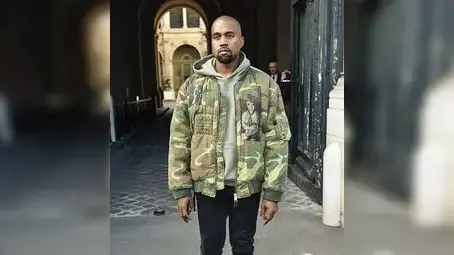
Kanye West, now legally known as Ye, shocked the digital asset world with the launch of the YZY token on August 21, 2025. Built on the Solana blockchain under the “Yeezy Money” brand, the project introduced a payments system called Ye Pay and a debit card supporting YZY and USDC. This marked a dramatic shift, given Ye’s past skepticism. He once rejected a $2 million offer to promote a fake coin, saying it would exploit fans.
At launch, YZY briefly hit a $3 billion market cap and peaked at $31.15 before collapsing to under $1 within hours. Analysts flagged centralized tokenomics, missing liquidity support, and insider wallets profiting millions. Many now cite the launch as another cautionary tale in celebrity-backed crypto ventures.
Donald Trump – Trump Coin (TRUMP)
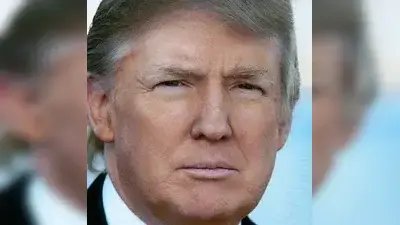
Donald Trump entered crypto in January 2025 with TRUMP, promoted directly on Truth Social. Launched on Solana, the token rocketed to about $14.5 billion in market value within days, eclipsing every other celebrity coin.
Roughly 80% of the supply sat with Trump-affiliated entities, giving them substantial control over distribution. Volatility soon followed, and the market cap corrected to around $2.5 billion, still far larger than peers. TRUMP’s performance showed how political branding can fuel massive speculative demand. Unlike most celebrity tokens that fade quickly, TRUMP remained central in both political and financial conversations, with price swings often tied to major political events.
Barron Trump – Trump Token (DJT)
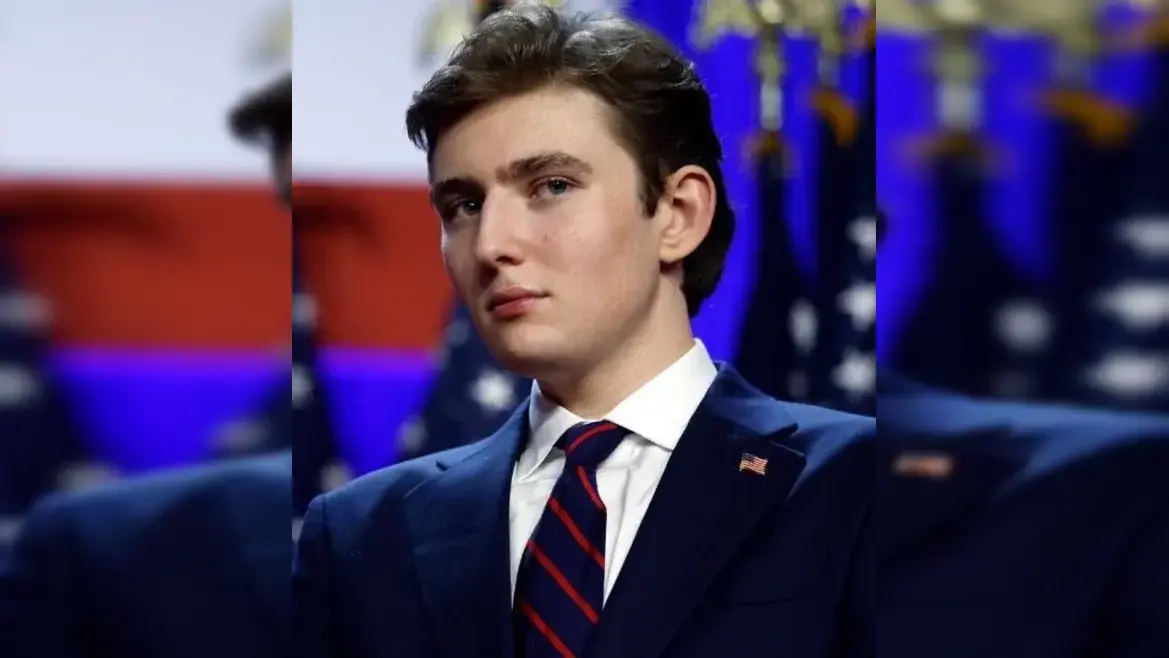
Barron Trump, the youngest member of the Trump family, made headlines in 2024 when DJT launched. The Trump name alone carried substantial weight, and the token immediately attracted traders. Market cap climbed quickly, topping $390 million within days. The hype was intense but short-lived, as values fell to around $77 million, leaving DJT down by about 80%.
The story of DJT highlights how brand recognition can produce dramatic price spikes but also how quickly markets adjust once the initial frenzy fades. Even so, DJT remains notable for drawing attention despite Barron’s relatively limited public presence compared with his father.
Iggy Azalea – Mother (MOTHER)

Rapper Iggy Azalea brought her unique flair to crypto with the launch of MOTHER in 2024. The token branded itself around her persona as a strong, outspoken “mother” figure to her fan community. Unlike other celebrity coins, MOTHER captured a surprisingly large following and, at its peak, reached a market cap of over $100 million.
While values later dropped to around $69 million, MOTHER remained one of the best-performing celebrity tokens overall. Fans continued to trade and discuss the token long after its launch, demonstrating how a celebrity’s strong personal connection to their fan base can extend the lifespan of a speculative project. Even after declining more than 80% from its top, MOTHER kept far more value than nearly every other peer token.
Andrew Tate – Daddy Tate (DADDY)

Andrew Tate has built a reputation as a polarizing internet figure whose outspoken style attracts both strong supporters and critics. When he launched DADDY in 2024 on Solana, the token reflected his image: bold, provocative, and heavily marketed. His following on platforms such as X amplified the launch.
DADDY opened with a market cap above $200 million, fueled by speculation and social media hype. For a brief moment, it looked like the token might sustain momentum. Within weeks, however, its valuation contracted to less than a third of its peak. The trajectory illustrates how much celebrity projects depend on hype-driven buying rather than underlying utility.
Haliey Welch – HAWK

In December 2024, influencer Haliey Welch launched the meme coin HAWK on Solana. Excitement pushed its market cap close to $500 million, but within minutes the token crashed more than 90%, settling near $25–60 million. Analysts pointed to insider wallets and sniper bots holding most of the supply, which fueled accusations of a pump-and-dump scheme. A class-action lawsuit soon followed, targeting promoters but not Welch herself. She later explained that she only received a marketing fee and had little understanding of crypto mechanics. Regulators investigated but ultimately closed the case without charging her.
Jason Derulo – Derulo (DERULO)

Jason Derulo, a chart-topping musician with an active presence on TikTok, launched DERULO on Pump.fun in 2024. He framed the token as a way to connect his music career with digital engagement. Like all other celebrity tokens, the launch followed an initial rise before an inevitable fall in value.
For Derulo, the launch highlighted both the appeal and the challenge of translating mainstream stardom into long-term crypto traction. Unlike a song that can live on streaming platforms for years, a token needs a constant flow of activity to hold value.
Caitlyn Jenner – Jenner (JENNER)

Caitlyn Jenner, known globally for her career in athletics and television, introduced her JENNER token in 2024. Initially, the token was listed on Ethereum, but it later transitioned to Solana to align with broader memecoin trends. Jenner marketed the token as a fan engagement opportunity, positioning it almost like a digital keepsake.
Early investors pushed the market cap, with many expecting it to reach $50 million, but it quickly cooled, dropping to about $2 million. While the decline represented a steep adjustment, JENNER demonstrated how celebrity recognition alone can create quick surges in value. Sustaining that momentum, however, requires a stronger foundation than name recognition.
Logan Paul – Dink (DINK)

In June 2021, influencer and YouTuber Logan Paul promoted a meme coin called Dink Doink ($DINK), pitching it as a lighthearted project built around a cartoon mascot. The token quickly attracted attention from his followers, but on-chain analysts soon uncovered concerning patterns. Records showed that a single wallet accumulated huge amounts of $DINK within minutes of launch, then transferred more than 36.5 ETH to Logan Paul’s public crypto wallet.
The discovery raised immediate questions about insider allocation and conflicts of interest. Within weeks, trading activity dried up and the price collapsed. Logan himself later described Dink Doink as “the project from hell,” acknowledging its failure and distancing himself from it. Yet, the episode remains a cautionary tale of celebrity-driven hype in crypto markets.
Akon – Akoin (AKN)
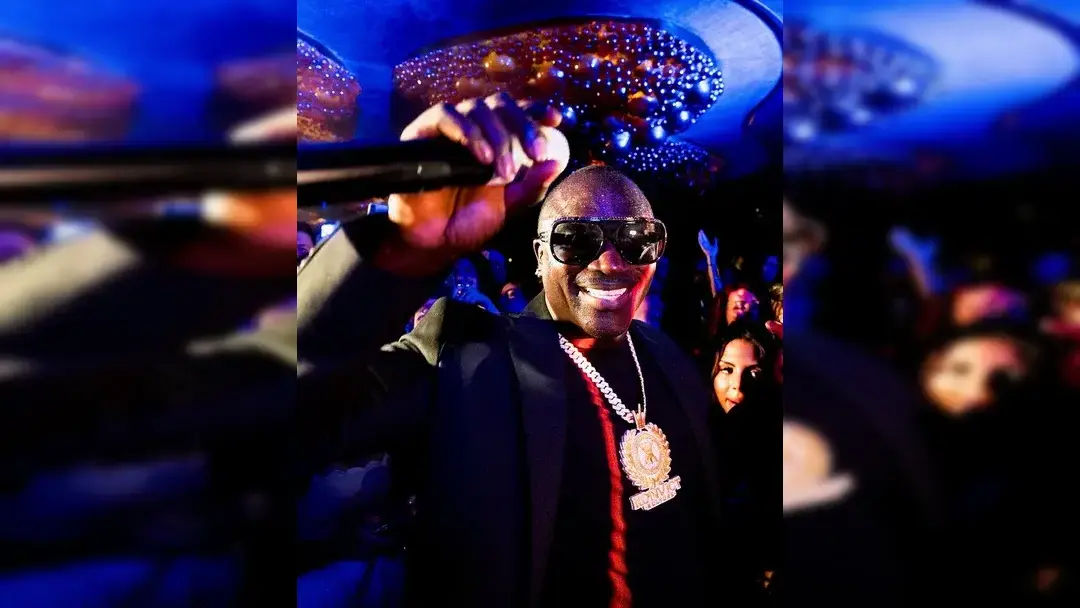
Rapper Akon launched Akoin as part of his ambitious plan to build “Akon City” in Senegal, a futuristic crypto-powered city. The token was marketed as a utility for payments, remittances, and services within this city. Despite heavy promotion, Akoin never gained meaningful adoption. The project struggled with delays, little liquidity, and declining interest. By 2023, the token’s value had dropped more than 95% from its peak, and development of Akon City itself faced funding and governance setbacks.
Kim Kardashian – EthereumMax (EMAX)

Kim Kardashian promoted EthereumMax to her massive Instagram audience in June 2021. Floyd Mayweather also endorsed it during a boxing match. The token spiked initially but then plunged by over 95% within weeks. The SEC later fined Kardashian for failing to disclose she was paid for the promotion, making EMAX one of the most infamous cases of celebrity-backed tokens that crashed.
Why Are Celebrity Crypto Tokens So Popular?
Celebrity tokens thrive on the fusion of culture and financial speculation. Fame creates an instant spotlight, while blockchain technology provides the infrastructure for trading. Fans are often drawn by the idea of owning something tied to a favorite personality, while traders see opportunities for quick profits when hype levels rise.
Social media adds fuel, as posts from celebrities or influencers can spark massive surges in volume within hours. In this way, celebrity tokens function both as collectibles and speculative assets. They live at the intersection of fan loyalty, digital culture, and financial opportunity.
The appeal also comes from the sense of community. When a celebrity launches a token, fans feel part of something exclusive. Even if the token carries no practical use case, its symbolic connection to a public figure creates a sense of belonging.
At the same time, traders chase volatility, making these tokens attractive for those who thrive on rapid market swings. The combination of emotional investment from fans and financial motivation from traders explains why launches can reach massive valuations so quickly.
What Was The Most Successful Celebrity Crypto?
The measure of success depends on context. If the standard is sheer size, Donald Trump’s TRUMP token stands apart. Even after price corrections, TRUMP continues to hold value in the billions, which places it well above its peers. The coin showed the unmatched influence of combining political identity with crypto speculation.
On the other hand, success can also be viewed in terms of resilience. Iggy Azalea’s MOTHER performed better than most celebrity tokens over time. Even after a drop of more than 80% from its high, it maintained a market cap of nearly $ 69 million. That longevity set it apart from tokens that lost almost all of their value within weeks. MOTHER demonstrated that a strong fan connection could keep a project active even after the initial hype faded.
Closing Thoughts
Celebrity crypto tokens offer a fascinating window into how culture and finance blend in digital markets. They demonstrate the significant influence a famous name can have on investor behavior and how quickly markets react when the hype slows. Some projects, like TRUMP, scaled to levels no one expected, while others struggled to hold value beyond their debut. For fans, these tokens created new ways to engage with public figures. For traders, they became opportunities to capture speculative gains. Together, they illustrate how the intersection of celebrity influence and crypto.