- Key Takeaways
- Quick Comparison – Best Regulated Forex Brokers in 2025
- Best Regulated Forex Brokers – In-Depth Reviews
- What Does “Regulated Forex Broker” Really Mean?
- How We Chose the Best Regulated Forex Brokers
- How to Check if a Forex Broker Is Properly Regulated
- Regulated vs Unregulated Forex Brokers
- Trading Risk With Regulated Brokers: Leverage, Slippage, and Liquidation
- Frequently Asked Questions
Best Regulated Forex Brokers in 2026

- When you click links on this page, we may earn an affiliate commission. By using this website you agree to our terms and conditions and privacy policy.
- Participation in online gambling may be illegal in your country and is subject to age restrictions (18, 19, or 21, depending on the jurisdiction). Verify legality and age requirements before participating. Learn more
Regulated forex brokers are platforms that enable foreign exchange (forex) trading and are licensed by authorities that oversee financial platforms, enhancing customer protection and ensuring the brokers operate above board.
Regulation is often the first aspect that professional traders examine when picking a forex broker to handle their trading activity, and you should employ the same strategy.
Prioritizing platforms approved by tier-1 regulators, such as the UK’s FCA or the USA’s CFTC, provides greater user protection, enables customers to benefit from compensation schemes, ensures your funds are properly stored/managed, and adds legitimacy to your chosen broker through transparency and audit requirements.
Throughout this guide, we’ll not only highlight the best regulated forex brokers available to users, but also explain how you can evaluate and validate our picks to determine which platform is best suited to your specific needs.
Before we begin, it’s essential to remember that forex trading is a high-risk activity. The majority of traders lose money. Forex trading is not suitable for everyone. Profits aren’t guaranteed; only invest what you can afford to lose.
Key Takeaways
- Trading on licensed brokers that are regulated by top-tier authorities affords users greater protection and recourse compared to unregulated alternatives.
- Always conduct a forex broker license check before using a new platform. Avoid unregulated platforms or brokers that have received warnings from regulators.
- Regulators enforce leverage limits, handle customer disputes, mandate client/company fund segregation, and manage which products are available in their jurisdictions.
- Regardless of how a broker is regulated, forex trading is inherently high-risk due to volatility and the use of leverage. Most traders lose money, so you should only invest what you can afford to lose.
- This guide is purely informational and doesn’t recommend a specific broker. The best regulated forex broker will vary based on your individual goals and requirements.
Quick Comparison – Best Regulated Forex Brokers in 2025
| Broker Name | Best For | Regulations | Minimum Deposit | Leverage (Approximate) | Platforms | Demo Accounts | Major Beginner Features |
|---|---|---|---|---|---|---|---|
| XM.com | Best for MetaTrader users | CySEC, ASIC | From $5 | Up to 30:1 (EU/UK); up to 1000:1 offshore | MT4, MT5 | Yes | Extensive education & market research |
| eToro | Best for copy trading beginners | FCA, ASIC, CySEC | From $50 | Up to 30:1 (EU/UK) | Proprietary platform, web, mobile apps | Yes | Social trading & copy trading ecosystem |
| Uphold | Best for multi-asset trading | FinCEN (US), FCA | From $10 | Up to 1:50 | Proprietary platform, mobile app | Yes | One-step asset trading, easy wallet integration |
Best Regulated Forex Brokers – In-Depth Reviews
Below, we outline some of the best regulated forex brokers, exploring available instruments, trading fees, and beginner-friendly tools.
XM.com – Best for High Forex Leverage Limits In a Regulated Environment

XM is a leading forex broker, popular for its high leverage (1:1000 on forex) and stellar user experience. It offers multiple asset classes, including forex (55 instruments), stocks, indices, and commodities, making it a highly versatile platform. Moreover, users widely regard XM as a reliable and trustworthy broker.
CySEC is a tier-1 regulator that licenses XM. However, the broker is divided into several entities, each of which is regulated by a different authority, allowing for compliance with local rules and regulations. The DFSA (Dubai), FSA (Seychelles), FSC (Mauritius), FSCA (South Africa), and the Belize FSC all license XM.
Users benefit from safety measures like negative balance protection, Two-Factor Authentication (2FA), automated risk monitoring, and segregated client/customer funds. XM is also a member of the Investor Compensation Fund and adheres to investor protection measures outlined in the Markets in Financial Instruments Directive (MiFID II).
If you’re looking for advanced analytical tools, then XM is an excellent choice. It offers a TradingView charting system alongside MetaTrader 4 (preferred by forex traders) and MetaTrader 5 connectivity, providing customizability and access to a diverse selection of technical indicators and charting tools.
The platform boasts fast execution and low spreads, creating an ideal trading environment. Moreover, XM offers no requotes, which ensures trades are processed at the intended price, reducing slippage. Users can also trade on the go with the XM mobile app, while the copy trading system is excellent for new traders.
XM’s fees are transparent and competitive with its peers. There’s a $5 minimum deposit. It offers multiple accounts with different pricing. Spread (the difference between buy/sell prices) is most common, starting at 0.8 pips (0.00008%). ‘Zero’ accounts have no spread but charge a $7 commission per $100,000.
There are a few other XM fees to be aware of. The broker charges an overnight financing fee, the rate of which is determined by the currency pair and national interest rates. A $5 monthly inactivity fee also applies if there’s been no trading activity (opening/closing positions, depositing/withdrawing funds).
In addition to offering competitive fees and multiple trading options, XM provides a wide range of educational materials (live sessions, webinars, and a help center) and demo accounts for new users to develop their trading skills without risk, making it accessible to beginners while also being suitable for experienced forex traders.
If you’re looking for an all-around excellent exchange that’s regulated by multiple authorities and offers a highly competitive trading environment, consider XM. It’s best suited to active forex traders and novices wishing to develop their skills, making it an exceptionally versatile forex broker.
To learn more about the broker, check out our full-length XM.com review, which includes a detailed breakdown of the available accounts and the platform’s fee structure.
Pros
- Competitive fees
- Varied and detailed educational resources
- Regulated by multiple authorities with transparent license numbers
- High leverage limits
- Multiple trading interfaces are available
Cons
- Not available in the USA
- Divided into multiple entities with different limits
eToro – Best for Beginners and Multi-Asset Traders

eToro is a well-known global trading platform that specializes in Contracts for Difference (CFDs), enabling people to speculate on price movements without owning the underlying assets.
It has 40+ million users who can access multiple asset classes, including 68 forex pairs and thousands of stocks, commodities, and Exchange-Traded Funds (ETFs). eToro is tailored to beginners, with the eToro Academy, which provides a wide range of educational forex resources, from beginner to advanced, including text and video guides.
eToro has a reputation as a competent and trustworthy, albeit slightly expensive and limited, broker for forex and other asset classes. It’s highly regulated, holding licenses with the FCA (UK), FinCEN (USA), CySEC (Cyprus/Europe), AMF (France/Europe), ASIC (Australia), FSAS (Seychelles), ADGM (Abu Dhabi), MAS (Singapore), and the FCS (Gibraltar).
Users’ funds are stored securely in top-tier banking partners, including JPMorgan and Deutsche Bank. eToro also segregates customer/client funds, preventing mishandling. In the event of eToro’s insolvency, all users are compensated in accordance with their local regulations. Users also benefit from 2FA and negative balance protection.
While eToro lacks MetaTrader connectivity, the broker is available on desktop and mobile devices. Moreover, eToro offers a TradingView charting system for in-depth analysis and a straightforward line-chart interface for beginners. Users also have access to a highly active copy trading platform, enabling them to learn from experienced traders.
eToro employs a spread-based fee structure for forex. Its charges are clearly outlined. Most pairs cost between 1 and 7 pips, but exotic pairs are as high as 70,000 pips or 7%. Overnight financing (varies based on interest rates) and inactivity fees ($10 monthly after 12 months of inactivity) also apply.
With a straightforward/intuitive interface, an easy trading system, TradingView integration, and up to 30x leverage on major pairs, eToro is an approachable yet powerful regulated forex broker. Its extensive educational material and range of assets make eToro excellent for beginners seeking a broker that can grow as their skills develop.
If you want to learn more, our comprehensive eToro review provides an in-depth examination of the platform, covering the trading system, supported deposit methods, customer support, and more.
Pros
- Regulated by multiple tier-one authorities
- Provides access to various asset classes
- Strong security features and customer protection measures
- Solid charting system for beginners and experienced users
- Transparent and predictable fees
Cons
- Slightly more expensive than other brokers
- Lower leverage than dedicated forex brokers
(Disclaimer – 50% of retail investor accounts lose money when trading CFDs with this provider. You should consider whether you can afford to take the high risk of losing your money.)
Uphold – Best for Streamlined Currency Trading
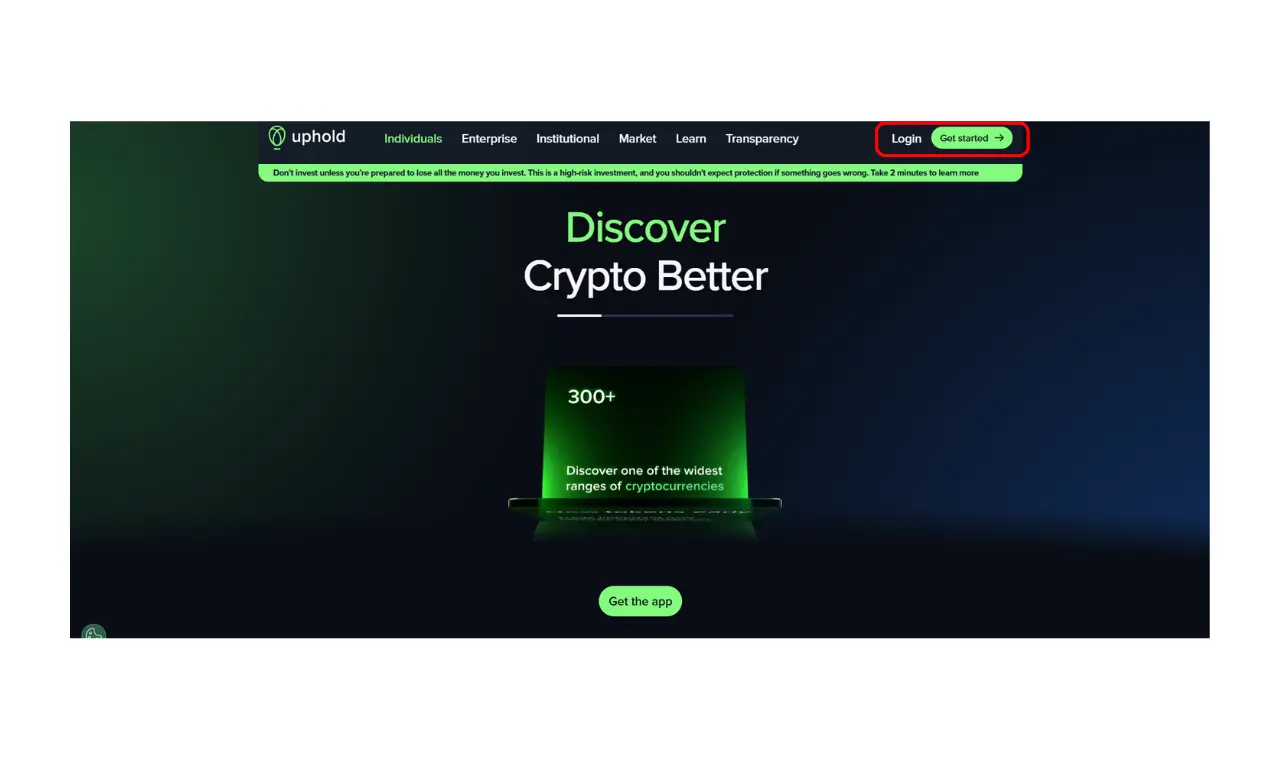
If you’re looking for a no-frills currency trading experience, then Uphold is worth taking a look at. It primarily caters to crypto traders, but also offers 20 national currencies, including USD, GBP, EUR, and CAD. It’s essential to note that Uphold doesn’t provide currency pairs; instead, it offers single currencies.
Uphold has a good track record and a solid reputation amongst users. It’s known for being trustworthy and reliable, but expensive and limited. FinCEN licenses it in the USA, the FCA handles it in the UK, and the Ministry of the Interior of the Republic of Lithuania supports it in Europe.
User security measures are severely limited. They can set up 2FA or freeze their accounts, but there’s no passkey system or anti-phishing codes. Customer funds are held in segregated accounts with regulated financial institutions, not Uphold. The broker also subscribes to regular audits, helping to eliminate bugs or glitches.
Unfortunately, Uphold lacks an advanced charting or analysis system, rendering it ineffective for experienced traders utilizing advanced strategies. However, its innovative and straightforward Anything-to-Anything trading system makes Uphold a strong choice for beginners wishing to conduct simple buy/sell transactions. Uphold’s fees are high, but easy to interpret.
Trading major forex instruments, such as USD, incurs a 0.3% fee, equivalent to 30,000 pips. Other assets (including crypto and precious metals) incur a charge of up to 3.10%. These figures position Uphold’s forex fees among the most expensive brokers.
While Uphold may not be as forex-centric as other regulated brokers, it’s an excellent choice for traders who value simplicity and ease of use. There are no CFDs or currency pairs, which can be difficult for beginners to grasp. Instead, Uphold is best for its accessible, no-frills forex trading environment.
Pros
- Regulated by leading institutions
- Provides access to multiple asset classes
- Simple, beginner-friendly forex trading
- Keeps customer funds secure
- Regularly audited
Cons
- Relatively limited selection of forex instruments
- Higher-than-average forex fees
What Does “Regulated Forex Broker” Really Mean?
It’s common to hear terms like ‘regulated forex brokers’ thrown around when you’re evaluating potential trading platforms. But what does ‘regulation’ mean in a practical sense?
Regulated forex brokers are overseen and supervised by specialized authorities that manage financial platforms, protect customers, and ensure that brokers engage with clients lawfully and ethically. Regulated brokers are subject to strict rules that must be followed; failure to do so can result in penalties or audits.
Although the specific rules vary depending on the regulator, there are a few requirements that are common across most authorities:
- Capital: Regulated brokers are subject to specific capital requirements, which means they must maintain a certain amount of operational funds. The capital requirements are in place to ensure the platform is financially stable, can operate smoothly, and cover user trades/withdrawals, even during volatile periods.
- Reporting/transparency: Trustworthy, regulated platforms must track and regularly report their financials and trade data to the relevant authorities, ensuring the broker isn’t manipulating trades/pricing or hiding losses, which could impact users or the platform’s operational ability.
- Client funds: To prevent the misuse of customer funds, regulated brokers must segregate client and company funds. Comingling assets is not allowed. As a result, the broker cannot access customer funds to cover its own expenses or obligations.
- Disclosures: Regulated platforms must provide clear disclosures about forex risks, commission/spread (the difference between buy/sell prices) fees, and general terms and conditions for users to understand precisely how the platform works and ensure they won’t be misled or impacted by hidden fees or unfair systems.
Not every regulator offers the same level of protection or accountability. You should prioritize tier-1 forex regulators, as their rules are better enforced compared to offshore regulators, which are often more lenient and attract brokers due to lower registration fees and faster licensing times.
The primary regulators that you should consider when evaluating a forex broker’s licensing status are:
| Country | Regulator |
|---|---|
| UK | Financial Conduct Authority (FCA) |
| USA | Commodity Futures Trading Commission (CFTC) |
| EU | European Securities and Markets Authority (ESMA) and the Cyprus Securities and Exchange Commission (CySEC, used for passporting into Europe) |
| Australia | Australian Securities and Investments Commission (ASIC) |
Many forex brokers are licensed via offshore regulators, which lack robust customer protection and compensation schemes. These types of brokers use regulation to attract users and build trust, not actually to protect customers. Offshore regulators include: the Financial Services Authority (FSA) of Seychelles and the Financial Services Commission (FSC) of Mauritius.
FCA-regulated brokers are required to report specific data points and comply with certain rules, or risk having their license revoked. The same is true for ASIC-regulated forex brokers, as well as any other platform approved by a tier-1 regulator.
When evaluating regulated forex brokers, pick platforms that are licensed by multiple top-tier authorities, including a local regulator. They comply with regional restrictions, contributing to consistent uptime, and participate in compensation schemes. In contrast, offshore-regulated brokers operate in grey areas, limiting recourse if something goes wrong.
How We Chose the Best Regulated Forex Brokers
When selecting the best regulated forex brokers, we consider several crucial factors that have a direct impact on safety, cost, and the overall user experience. These include:
Regulatory Compliance
One of the primary factors we consider is which authorities have issued a platform’s licenses. We award more weight to tier-1 regulators, such as the FCA or the CFTC. We also evaluate the regions in which the broker is regulated, prioritizing platforms that are licensed across multiple areas as they’re more accessible.
Another important consideration is how easily users can find the regulatory information. Reputable brokers will clearly display their licensing information, including the regulatory authority, the license number, and the location where it is regulated, enabling users to search and verify brokers on the relevant register database.
Safety Features
Forex brokers must store users’ personal information and trading/investing funds, so security is essential. There are a few particular measures that we always look for, including:
- Client/company fund segregation: One of the most crucial measures is the segregation of client and company funds. It ensures that the broker doesn’t mismanage user funds or use them for its own purposes.
- Compensation schemes: Many tier-1 regulators enforce compensation schemes for any firm registered with them. These schemes protect users if the broker becomes insolvent (bankrupt). For example, people trading on CySEC-regulated forex brokers are protected by the Investor Compensation Fund (ICF) for up to €20,000.
- Negative balance protection: Trustworthy brokers offer negative balance protection, ensuring that you cannot lose more than your total trading capital. This protection prevents negative balances or debt from resulting from unsuccessful positions.
- Two-Factor Authentication (2FA): One of the most basic yet effective security measures is 2FA. It requires users to input an additional code during the login process. The code is sent via text message or a specialized authenticator app, adding a layer of protection even if your login credentials are compromised.
- Trusted banking partners: We also consider where forex brokers store your money. Only platforms that partner with secure banking providers for their custody solution. For example, XM stores customer funds with Barclays PLC, a publicly traded and highly reputable UK high-street bank.
Transparency of Fees
Nobody wants to be overcharged for a service, least of all forex traders. Margins are thin, so excessive fees can impact earnings and erode profits. When selecting the brokers for our list, we consider the platform’s fee structure in its entirety, not just trading fees.
We evaluate whether spread or commission fees are more dominant, comparing them to other popular platforms. Then, the broker’s deposit, inactivity, and overnight financing fees are considered to paint a clear picture of the whole fee structure. Only competitive and reasonably priced brokers are included in our rankings.
Trading Experience
The trading experience is also essential. If a platform is confusing, unreliable, or lacks controls, it’s less than ideal for users. We verify that brokers maintain consistent uptime and offer multiple trading order types for entering/exiting trades precisely. These factors contribute to a reliable trading environment.
Moreover, having access to simple portfolio management tools makes regularly using a broker and tracking earnings far more convenient. Likewise, we appreciate platforms with slippage (a trade executing a different price than expected) controls, like maximum slippage settings, as they’re more predictable and beginner-friendly.
Education and Tools
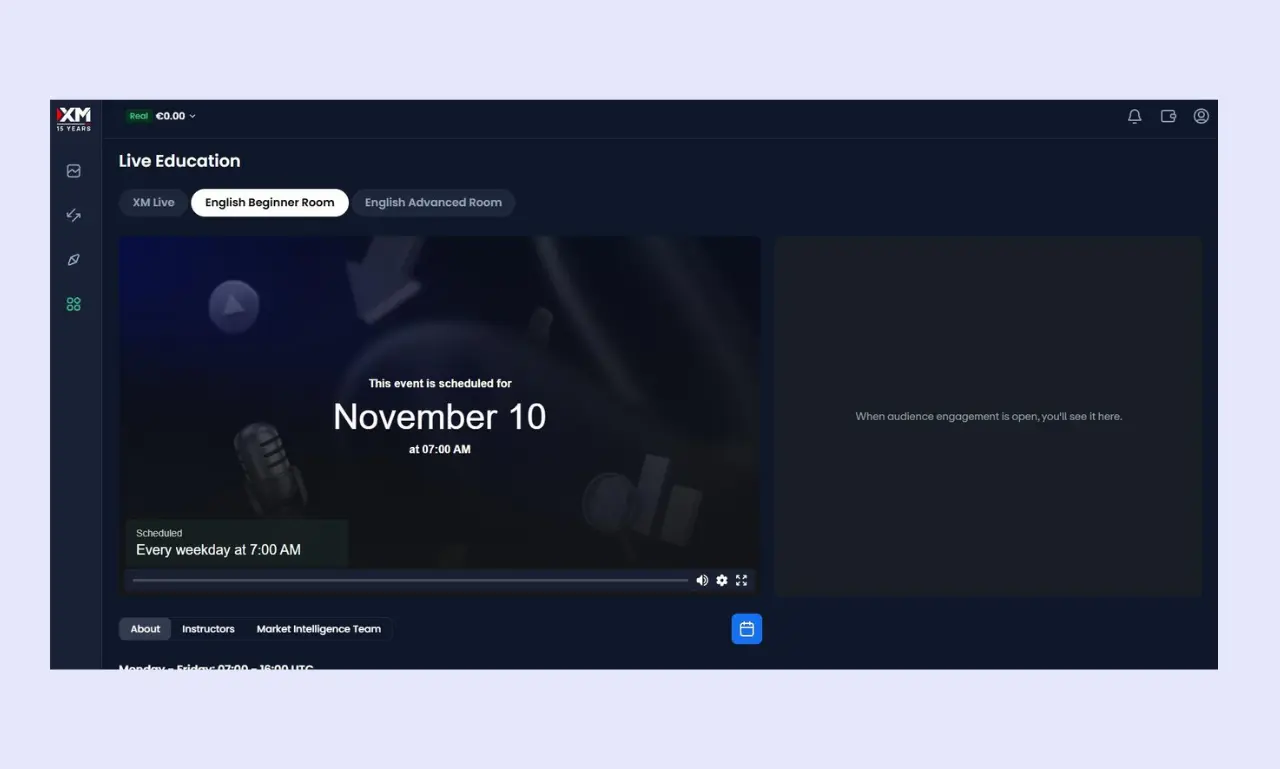
With forex trading being an advanced and high-risk activity, having access to a diverse range of educational resources is a significant benefit. To ensure that users have the tools they need to learn and grow, we choose brokers offering multiple educational channels, prioritizing:
- Help center: For basic troubleshooting, general trading knowledge, or learning how features work.
- Webinars: Live or recorded sessions usually hosted by professional traders or analysts, covering technical analysis, advanced strategy, or key market developments.
- Market analysis: Tools to help users understand what’s going on in the market and how forex pairs could react. For example, economic calendars that display upcoming financial events, buy/sell volume indicators, or AI market sentiment summaries.
- Demo accounts: Accounts where people can practice trading using live price data and fake money, letting new traders develop their skills without wasting capital.
Breadth of Markets
Naturally, for a forex broker, the range of currency pairs is the most crucial aspect regarding available instruments. We ensure that the included brokers offer approximately 50+ forex pairs, including various major, minor, and exotic pairs, which cover different levels of volatility and cater to multiple trading strategies.
We also consider the instruments available outside of forex pairs. For example, Contracts for Difference (CFDs), stocks, indices, commodities, and cryptocurrencies (where eligible). Platforms offering a variety of asset classes are more versatile and better suited to a broader range of traders.
How to Check if a Forex Broker Is Properly Regulated
Unfortunately, it’s common for brokers to claim to be regulated when they aren’t in an effort to build trust and appear legitimate before luring users onto an unsafe or fraudulent trading platform. However, anyone can verify which authorities regulate a particular platform by following a few straightforward steps:
Step 1: Confirm the Broker’s Legal Name and License Number

First, verify the broker’s legal name, where it’s regulated, and locate the corresponding license number. A helpful tip for finding the broker’s regulation/license page is to search for it on Google using the format: ‘[broker name] license and regulation’. Doing so typically brings up a list of licenses and issuers.
It’s essential to note that some brokers are divided into multiple entities, each tailored for a specific region and licensed accordingly. When checking where a broker is regulated, it can be beneficial to look for international licenses. Use a VPN to access the platform from other jurisdictions, if necessary.
Also, it’s common for brokers to be licensed under a slightly different name (entity) than their standard brand name. For example, XM.com is ‘Trading Point of Financial Instruments Ltd’ in Cyprus (Europe), ‘Trading Point MENA Limited’ in Dubai, and XM Global Limited in Belize.
Step 2: Look up the Broker in a Regulator’s Register

Once you’ve found the broker’s license number and legal name, you can verify its regulatory status by searching its details in the appropriate regulator’s database or register. The process is simple:
- Find the firm’s license number or legal name.
- Search its details in the proper register for the broker and your region. For example, search the FCA register for companies regulated in the UK.
- Verify the details are correct by comparing the register to the firm’s information.
- If the details match and the broker is approved, it’s safe to use. If the details do not match or the register shows the broker is unauthorized, avoid it.
The process of searching for a broker in a regulator’s register is relatively standardized. Every regulator has a search function, so it’s just a matter of searching via the correct platform. To simplify the process, links to some of the top regulatory authorities are below:
Step 3: Beware of Offshore Entities and Complex Group Structures
As we’ve mentioned, not all regulators hold the same authority. You should be wary of platforms licensed exclusively by offshore regulators.
Similarly, you should consider whether a broker is divided into multiple entities. It’s not necessarily a negative, but each entity will offer different levels of protection, compensation, recourse, and leverage. Certain products or features may also be unavailable depending on the regulatory jurisdiction.
Some brokers are organized into excessively complex group structures, making it challenging to verify their license claims or find genuine user reviews. If it seems like a broker is intentionally obscuring key regulatory information, avoid it. There’s no reason to trust a platform that doesn’t comply with critical regulatory requirements.
Step 4: Cross-check Reviews and Risk Disclosures
One of the most versatile methods of determining whether a broker is properly licensed and genuine is to read independent reviews. Other users’ experiences reveal a lot about how a broker treats its customers. Avoid any platform with overwhelmingly negative reviews (particularly local reviews) across multiple sources.
You should also search for risk warnings issued by regulators, trusted brokers, or other verified sources. Most critically, check your local regulatory authorities to see whether a broker is operating without authorization. If so, the regulator will typically issue a warning against the offending firm.
Individual sources can be manipulated and provide a limited sample size. Instead, you should browse multiple platforms, comparing reviews and comments across as broad a range of sources as possible. Good platforms for finding forex broker reviews include Trustpilot, Reddit, and the App Store or Play Store.
Regulated vs Unregulated Forex Brokers
It can be tempting to choose an unregulated forex broker, as they may offer features unavailable in your region, along with lenient identity verification checks and high leverage limits. However, there are clear and definite advantages to regulated platforms, making them the universally superior choice.
Below, the key benefits of forex broker regulation are explained clearly:
Client Fund Protection
Perhaps the most critical difference between regulated and unregulated brokers is how client funds are protected.
Regulated platforms are required to segregate client and company funds, preventing commingling and misuse. Certain regulators, such as CySEC and the FCA, also require financial platforms to participate in compensation schemes, such as the FSCS or the ICF, which compensate users for losses arising from the platform becoming insolvent.
Marketing and Leverage Limits
It’s common for unregulated brokers to draw traders to their platforms by offering high leverage and significant sign-up bonuses. They also often fail to display safety/risk warnings, which can make it difficult to gauge your chances of success as a forex trader.
Conversely, regulated brokers must adhere to specific regulations or risk losing their license and being compelled to cease operations. As such, leverage limits and bonuses vary by region, but they’ll always be fair and comply with local regulations. Trustworthy brokers clearly disclose risk, including the percentage of users who experience a loss.
Dispute Resolution
When using a broker that’s regulated in your region, you have much greater recourse if something goes wrong. If the platform fails to address the issue, users can contact the regulator, who will liaise with the broker to determine wrongdoing and correct the problem if necessary.
In contrast, users have minimal recourse when using offshore or unregulated brokers. If support refuses to help or stops answering your requests, you’re out of luck. There’s no compensation, and your local regulator cannot help, as the platform falls outside its jurisdiction.
Common Scam Patterns in Unregulated “Brokers.”
Unfortunately, many unregulated brokers are illegitimate and are designed to scam people and steal their money, rather than providing a trustworthy trading environment. The same can be true for platforms regulated offshore. Their regulatory status is used to build trust, but it does little to combat international scams.
Some of the most common types of scam unregulated forex brokers utilize include:
- High-pressure tactics: Illegitimate brokers will try to lure users with high-value, limited-time offers. Commonly, pressuring people to deposit now for a bonus, constantly calling newly registered customers, or threatening losses or lost profits if users don’t deposit more funds.
- Guaranteed returns: Often, fake brokers will claim that new users can earn guaranteed returns when using that specific platform. Advanced terminology is often used to confuse novices and give the service a more legitimate appearance.
- Withdrawal blockages: The most annoying scam tactic unregulated forex brokers utilize is blocking withdrawals. It may allow one or two withdrawals, but block higher-value attempts, usually stating that users must deposit more or cover taxes or fees before they can access their funds.
- Fake platforms: Some brokers attempt to appear legitimate or pose as genuine platforms but are entirely fraudulent, blocking users’ access once they deposit funds. You can check out our list of fake exchanges to gain a better understanding of how these scams operate.
The Commodity Futures Trading Commission (CFTC) has created an excellent resource for new traders. The “10 Signs of a Scam Crypto or Forex Trading Website‘ guide details how you can spot fake platforms and check official registers to verify their authenticity.
Although you’re much safer using a regulated forex broker, there are still significant risks to consider. Even the safest and most trusted brokers do not protect you from market risk (the possibility of a trade going against you) or losses that occur due to excessive leverage usage.
Trading Risk With Regulated Brokers: Leverage, Slippage, and Liquidation
Even after you’ve learned how to verify a forex broker’s legitimacy, you must be aware of the various trading risks. High-risk tools, such as leverage, drastically increase the odds of significant losses. Likewise, slippage (a trade being executed at a different-than-expected price) can make trades and subsequently earnings unpredictable.
Below, we outline key trading risks associated with regulated brokers and offer guidance on how users can enhance their safety.
1. Leverage and Margin Risk
Leverage is a powerful tool. It increases profits as well as losses and can lead to forced liquidation when there’s not enough capital to cover the amplified losses. Forex traders commonly utilize leverage to increase position sizes, allowing them to capitalize on smaller movements in the currency market.
Although highly beneficial when used responsibly, you could lose your entire invested capital if the market moves against your position. If you’re new to trading, practice on a demo account, then start with low leverage after graduating to a live trading account. Rushing into large trades increases the risk of losses.
If you want to learn more about trading with leverage, we’ve created a comprehensive guide on the topic. It’s tailored toward cryptocurrency, but the principles it outlines still apply to forex trading. We explain the types of leverage, how leverage trading works in detail, and discuss risk management strategies.
2. Slippage and Liquidity
Slippage occurs when a trade executes at a price other than the intended target, typically due to high volatility or a lack of liquidity in the market you’re trading.
Slippage is intrinsic to financial markets. There’s no way to prevent it, even using a regulated broker, because a trade must execute at the next available best price, which could differ from the current figure. Slippage is common during flash crashes, occurring when the market declines sharply over a short period.
However, we have a guide on how to avoid slippage in crypto trading. Although it’s focused on cryptocurrency, the tips also apply to forex trading, making it a valuable resource for new users.
3. Copy Trading and Risk Automation
If you’ve spent time exploring different forex brokers, you might have seen various tools for automating the trading process. Copy trading and strategy bots are the most common. Users often think that these tools are low-risk, as they’re automated, built into the platform, and require minimal user input.
eToro is an example of a regulated broker that’s highly popular for copy trading. It offers one of the most active copy trading systems of any financial platform. You can learn more from our comprehensive eToro review.
Yet, automated trading tools simply follow specific strategies (or particular traders for copy trading), so they’re not guaranteed to work. Market conditions impact them in the same way as a regular trade, so you’re reliant on the strategy/trader’s reliability and skill instead of your own.
You can earn more using our copy trading guide. It provides detailed information on what copy trading is and how it works, breaking down the risks and advantages, while offering tips on selecting the best traders to follow. Our algo trading guide is crypto-focused, but it explains the basics of automated trading.
Forex is one of the highest-risk financial markets. The majority of traders lose money, regardless of whether they’re using a regulated broker. As such, you should never risk more than you can afford to lose. Moreover, you should seek independent advice if you’re unsure whether forex is right for you.
Frequently Asked Questions
Which regulator is best for forex brokers?
There is no single best regulator for forex brokers. Select a platform that is licensed by multiple top-tier regulatory authorities. For example, the FCA, CFTC, and CySEC. This approach ensures that the platform prioritizes regulatory compliance, provides robust customer protections, and offers users recourse in case of an issue.
Are offshore regulated brokers safe?
Offshore-regulated brokers are not inherently dangerous. However, they lack robust user protections and are more commonly used for scams, while customers have little recourse if something goes wrong. Always prioritize brokers regulated by leading or local authorities, as they provide a much safer trading environment.
How do I check if a forex broker is regulated?
Checking whether a forex broker is regulated is usually simple; if it’s not, it’s best to avoid the platform. First, look for the broker’s license page to find where it’s regulated, which authorities license it, and its registration number. Then, compare the platform’s details with the regulators’ register to confirm regulatory status.
What is the importance of a forex broker being regulated?
It can be tempting to choose an unregulated broker as restrictions can be softer, but the trade-off isn’t worth it. Regulated forex brokers must protect your money, operate above board, follow specific guidelines to keep users safe, and comply with the rules local authorities set.
Can I still lose money with a regulated forex broker?
Whether a broker is regulated has little bearing on a user’s possibility of losing money when trading. If a trade goes badly, you’ll lose money regardless of which broker you’re using. However, regulated platforms drastically reduce the chance of losing money due to scams or unfair practices.


