Best Crypto Staking Platforms in 2026

- When you click links on this page, we may earn an affiliate commission. By using this website you agree to our terms and conditions and privacy policy.
- Participation in online gambling may be illegal in your country and is subject to age restrictions (18, 19, or 21, depending on the jurisdiction). Verify legality and age requirements before participating. Learn more
As a long term investor, instead of keeping your crypto in your wallet with no return why not stake them to earn an APY as high as 5 to 80% (depending on the coin and platform you choose). The best crypto staking exchanges are quite few.
Unfortunately, not all crypto exchanges offer crypto staking in 2026, and not all cryptocurrencies can be staked. I have compiled a list of the best crypto staking platforms in 2026 ranking them in line with the ease of use, return on investments and variety of accepted crypto coins to stake.
Top Crypto Staking Platforms of 2026
Here’s my detailed overview of the best staking platforms available in 2026. I’ve analyzed the top staking platforms to identify the standout options. Read more about each of my 10 picks below.
Don’t invest unless you’re prepared to lose all the money you invest.
Kraken
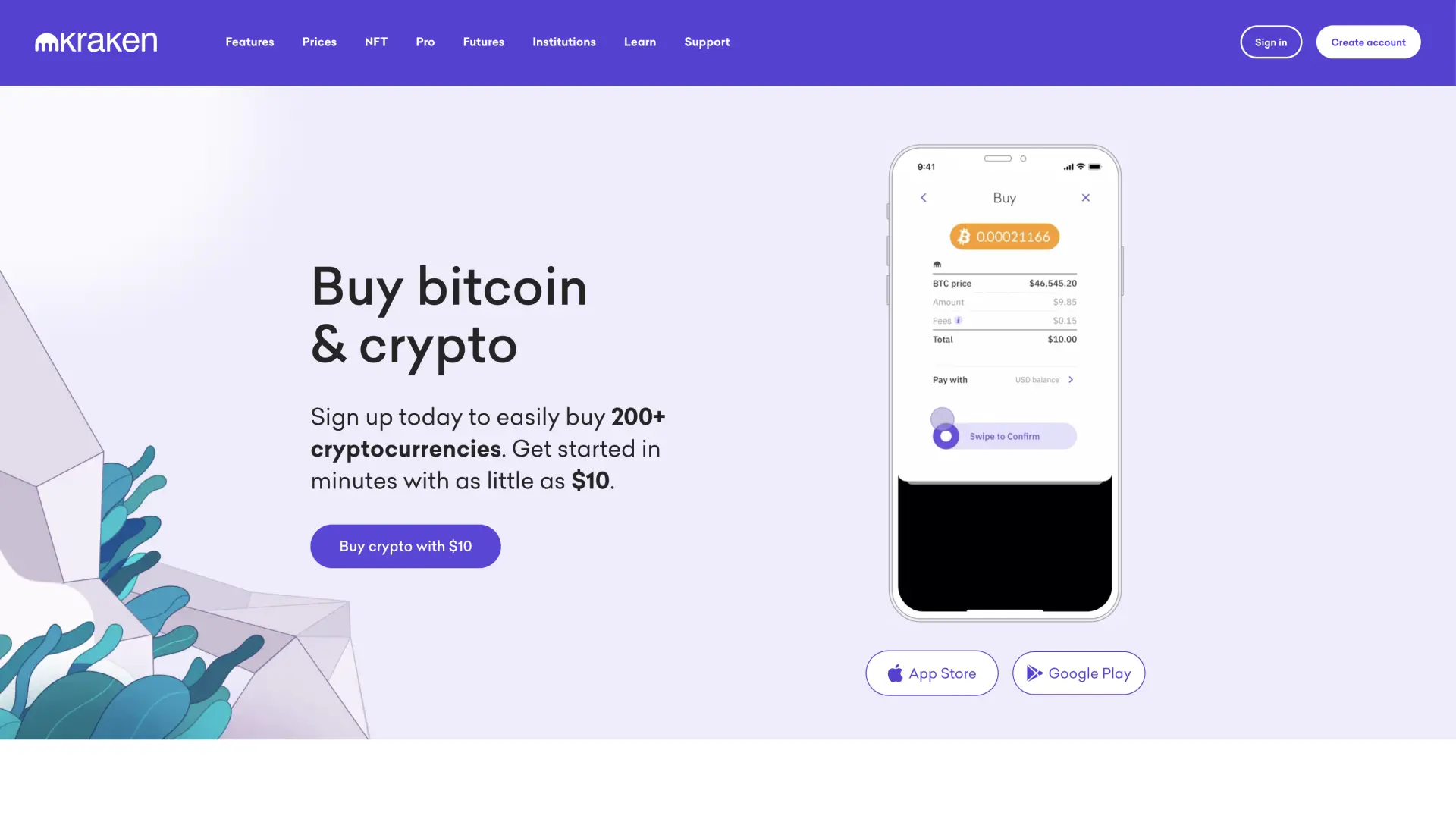
Kraken is one of the most popular and safest crypto exchanges available. It was founded in 2014 and has over 15 million users. It's a fully featured staking exchange with beginner and advanced modes. Users can access many features and trade 505 cryptos on Kraken, making it exceptionally well-rounded.
There are two ways to stake crypto on Kraken. Auto Earn is ideal for beginners as it will automatically pay weekly rewards based on your holdings of eligible assets. Alternatively, you can put your funds into a staking account for higher earnings with fixed/flexible terms, which is my preference.
Kraken offers staking rewards of up to 20% and lets people earn interest on Bitcoin, which is uncommon. Additionally, the exchange provides spot, margin, and derivatives trading and stocks in certain regions. Kraken displays asset-specific data to help traders better understand the market.
If you're looking for a secure platform to earn interest on your holdings, Kraken is the best crypto staking platform. While its fees are slightly high (0.25% / 0.40%), it has never been hacked, and its servers are supervised 24/7.
Pros
-
Two different ways to stake crypto
-
Users have fixed and flexible options
-
Earn interest on BTC
-
Multiple trading methods
-
Regulated with excellent security
Cons
-
Higher than average trading fees
-
Some features are restricted in certain countries
- Bitcoin
- Ethereum
-
Tether
83
No result
- Spanish
- English
-
French
4
No result
Bitunix
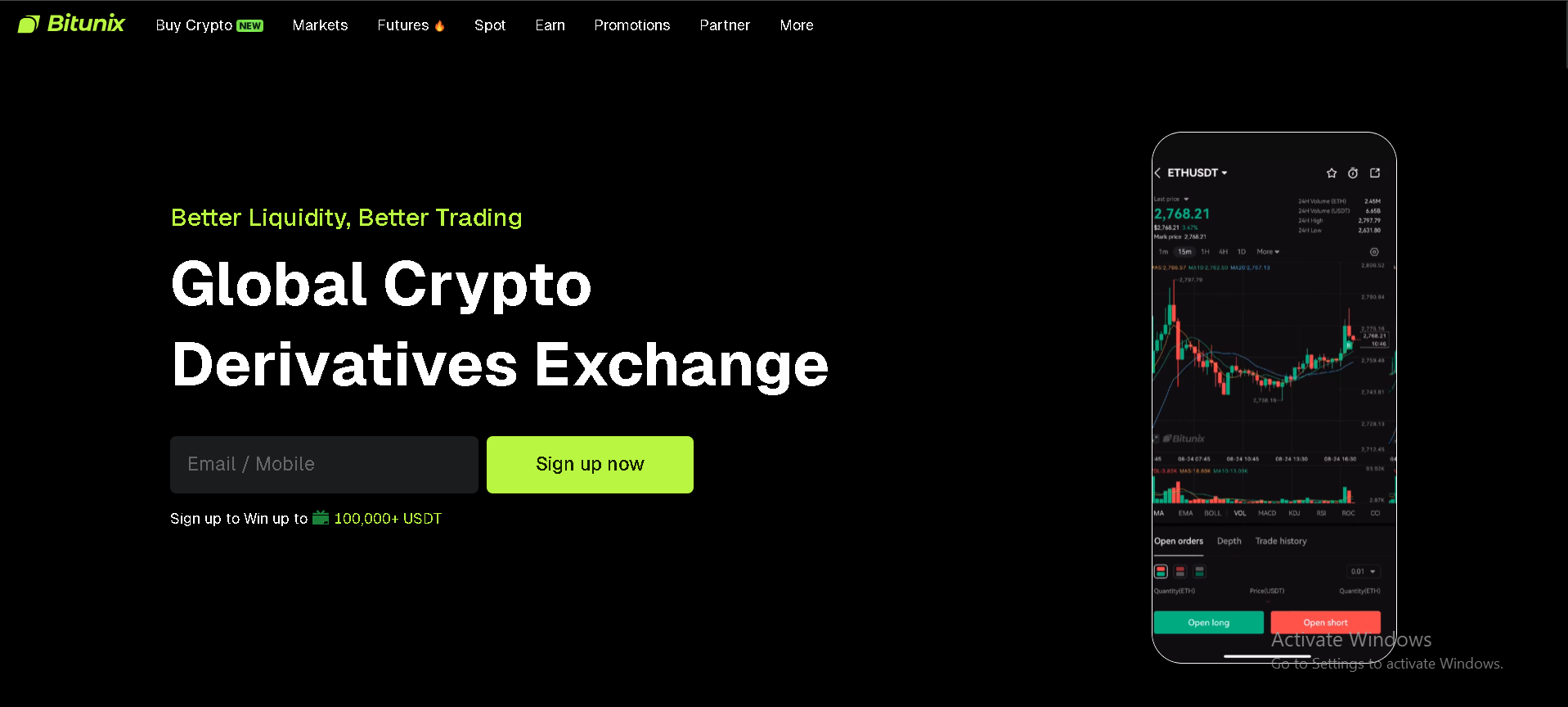
Bitunix is a lesser-known spot and derivatives exchange. The US's FinCEN licenses it as a Money Services Business (MSB). Bitunix is a solid choice if you seek an alternative to a mainstream all-in-one exchange like KuCoin.
It supports 605 assets and boasts competitive trading fees of 0.08% / 0.1%. Like many of the exchanges we've examined, Bitunix offers more than one way to stake. Easy Earn offers stable and straightforward returns. It provides rewards of up to 11.60% APR and supports 33 assets. Dual Investment requires users to predict the market. It's higher risk, but pays up to 421.57%.
While Bitunix lacks loan or crypto bots, it offers copy trading and three fiat on-ramps: a simple credit/debit card buy system, a robust third-party service, and a P2P marketplace. Users can access spot pairs or trade futures with up to 125x leverage.
While Bitunix isn't as popular as Binance or Kraken, it's well-equipped enough to suit most stakers or traders. While there are better options for people seeking the most feature-rich exchange, Bitunix is one of the best alternatives to mainstream staking crypto exchanges.
Pros
-
Beginner and advanced staking products
-
Multiple ways to fund your Bitunix account
-
Good variety of assets
-
Users can trade crypto with high leverage
-
Competitive trading fees
Cons
-
Fewer staking assets than other exchanges
-
Popular but not as established as mainstream exchanges
- Bitcoin
- Ethereum
-
Tether
78
No result
- English
- Spanish
-
Farsi
3
No result
MEXC
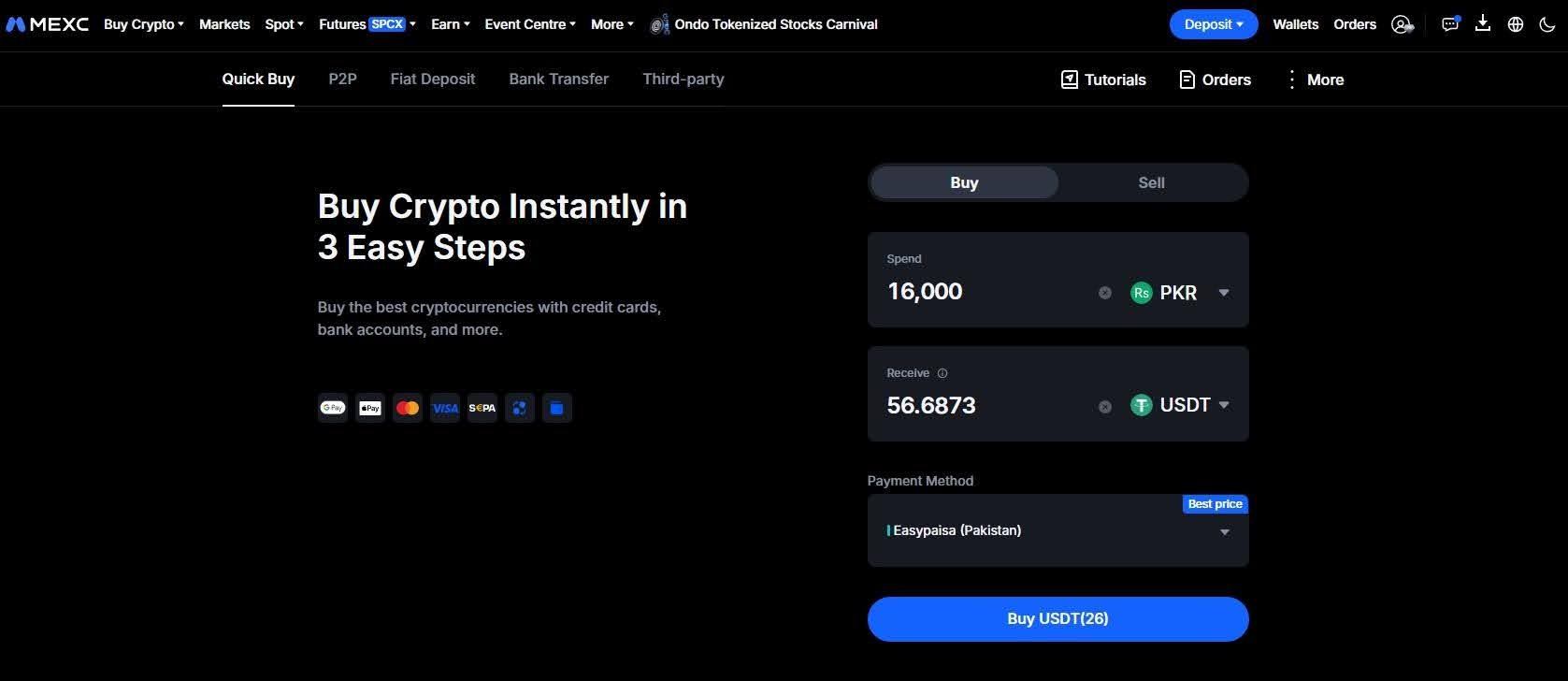
MEXC is a comprehensive crypto exchange and staking platform that operates globally, except in the USA, Singapore, and a handful of other countries. It's an excellent choice for people trading and staking altcoins because MEXC offers around 1,815 cryptocurrencies, including many smaller or new projects.
MEXC's earn products are relatively limited. Users can stake SOL to receive MXSOL, which pays holders up to 11.86% APY and can be redeemed for SOL. Alternatively, users can earn up to 25% APY by staking 13 assets in Simple Earn. Most are flexible, but some are fixed-term.
While some features are geo-restricted, MEXC offers a Decentralized Exchange (DEX), a P2P marketplace, spot/futures trading with up to 500x leverage, copy trading, and a demo account. It also provides a fiat on/off ramp and a conversion tool to help people maximize their staking earnings.
MEXC is a competent crypto exchange. While it doesn't offer much staking capability, its diverse features and massive selection of assets make it the best staking crypto exchange for altcoin fans seeking to trade smaller projects and stake some of their more significant assets on one platform.
Pros
-
Solid staking APYs
-
Users can easily buy and convert crypto for staking
-
Buy or trade crypto via spot, P2P, or a DEX
-
Extremely low trading fees (0% / 0.05%)
-
One of the most extensive selections of assets
Cons
-
Only a few assets are supported for staking
-
No structured staking products
- Shiba Inu
- Bitcoin
-
PAX Gold
72
No result
- English
- Turkish
-
Vietnamese
5
No result
Coinbase
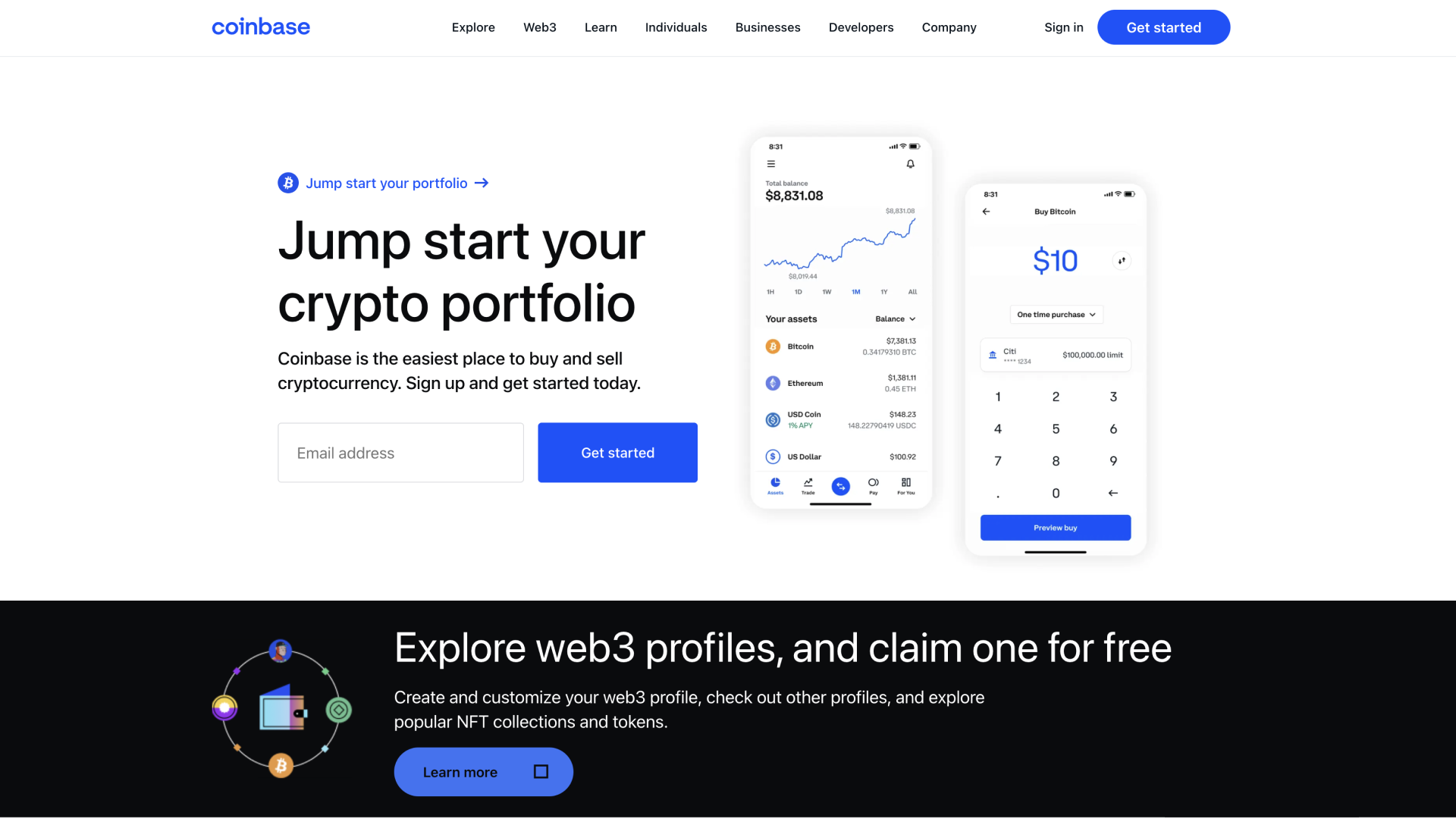
Coinbase is one of the world's best–known crypto exchanges. Its standard platform caters to beginners, while Coinbase Advanced is for more experienced traders. Around 317 cryptocurrencies are available, but there are strict listing requirements, so smaller, less-established projects are rarely found on Coinbase.
Customers can earn rewards by staking 132 assets, with reward rates as high as 74.09%. You must be from an eligible country to participate, but Coinbase isn't transparent regarding which regions are accepted. However, the service is highly popular, with Coinbase paying customers over $450 million in 2024.
Users will find that Coinbase is beginner-friendly. It has a simple interface for buying, selling, and swapping crypto, while Coinbase Advanced introduces TradingView charts and leveraged derivatives. Unfortunately, the exchange is expensive. Spot trading starts at 0.60% / 1.20% and decreases with volume.
Coinbase is one of the best staking crypto exchanges for people new to cryptocurrency who want an easy-to-use but versatile platform for various activities. While its fees are significantly higher than average, the ability to toggle standard and advanced modes makes it an attractive platform.
Pros
-
Well-known and highly regulated
-
Supports staking 132 assets
-
High APYs on some assets
-
Caters to beginners and more experienced users
-
Paid out $450+ million in staking rewards in 2024
Cons
-
Coinbase restricts staking in some countries
-
Extremely high trading fees
- Bitcoin
- Ethereum
-
Tether
68
No result
- English
Uphold
Uphold is a multi-asset trading platform. It primarily offers cryptocurrency (299 assets), but also national currencies (20) and metals (3). Uphold caters to beginners, boasting a basic interface and minimal advanced features.
Uphold offers a single staking program. There's no maximum staking amount, but a variable minimum applies. Payouts occur weekly, and 21 cryptos are supported, including ETH, SOL, and a range of smaller altcoins like Songbird for up to 17% APY. However, stablecons are missing from the roster.
Users can swap cash or cryptos via the Anything to Anything tool. It's straightforward and supports repeat transactions, as well as take profit, stop loss, and limit orders. However, it lacks TradingView integration or another robust charting system, making analysis difficult.
Uphold is tailored to beginners. It lacks the features experienced traders desire, but as a result, it is extremely simple to use, so it's ideal for novices. This simplicity, combined with Uphold's no-frills staking program, makes it one of the best staking crypto exchanges for new investors.
Pros
-
Simple staking program with weekly payouts
-
Reasonable APYs
-
Supports staking smaller altcoins
-
Beginner-friendly
-
Offers multiple asset classes
Cons
-
Charges a 20% to 25% staking commission
-
2.5% to 2.95% fee for trading altcoins
- Tether
- TrueUSD
-
USD Coin
144
No result
- English
Don’t invest unless you’re prepared to lose all the money you invest.
What is Crypto Staking?

Crypto staking is essentially a way to earn passive income crypto rewards by locking up your digital currencies to help secure blockchain networks. When you stake your coins, you’re participating in the network’s operations while earning staking rewards in return.
Instead of letting your coins sit idle in a wallet, you’re lending them to help maintain network security. In exchange, you receive additional tokens as compensation, usually ranging from 3% to 15% annually, depending on the cryptocurrency.
The whole system runs on what’s called the Proof-of-Stake (PoS) mechanism. Unlike Bitcoin’s energy-hungry mining, PoS networks choose validators based on how much cryptocurrency they’ve staked. It’s pretty straightforward: the more you stake, the better your chances of validating transactions and earning rewards.
The best part is that it’s completely passive once you get started. You don’t need to watch charts all day or make complex trading decisions. Your staked tokens keep generating rewards automatically, making it perfect for anyone who wants to grow their crypto holdings without the constant stress of active trading or market timing.
How to Stake Crypto: Centralized vs. Decentralized

Now that you understand the basics, let me break down your three main staking options. I’ll cover exchange-based staking, decentralized finance (DeFi) platforms, and wallet staking methods to help you choose the right approach.
The centralized vs decentralized staking debate boils down to convenience versus control. You can participate through CEX staking on major exchanges, explore DeFi platforms, join staking pools, try solo staking, or use DEX staking and wallet staking options.
Centralized Exchange (CEX) Staking
CEX staking through platforms like Binance, Coinbase, and Kraken offers the easiest entry point for beginners. These exchanges handle all the technical details for you, making it true easy staking where you simply deposit your coins and start earning rewards.
Binance staking provides some of the most diverse options with flexible and locked terms. Coinbase staking appeals to US users with its regulatory compliance and straightforward interface. Kraken staking stands out for its transparency about fees and reward calculations.
The main advantage of these CEXs is simplicity. You don’t need to understand validators, smart contracts, or blockchain technicalities. The exchange manages everything through custodial staking, meaning they hold your coins and handle the staking process.
Yet, this convenience comes with tradeoffs. You’ll typically earn lower returns due to platform fees, and you’re trusting the exchange with your funds. If the platform faces issues or gets hacked, your staked coins could be at risk.
Decentralized Finance (DeFi) Staking
DeFi staking platforms like Lido Finance offer a middle ground between convenience and control. These protocols use smart contracts to automate staking while keeping the process non-custodial, meaning you retain ownership of your tokens.
Liquid staking has revolutionized this space. When you stake ETH through Lido Finance, you receive stETH tokens that represent your staked position. You can trade, lend, or use these tokens in other DeFi protocols while still earning staking rewards.
The appeal of DeFi staking lies in high APY rates (usually higher than CEXs). Since there’s no corporate middleman taking large fees, more rewards flow directly to you. You also maintain greater control over your funds through the non-custodial approach.
The main downsides are higher complexity and risk. Smart contracts can have bugs, and the protocols are less regulated than traditional exchanges. You need to understand how these systems work and accept the additional technical risks involved.
Direct Wallet Staking
Wallet staking is the most hands-on approach, giving you full control over your staking operation. Hardware wallet staking through devices like Ellipal or Cypherock X1 provides maximum security for your private keys.
Ledger staking and Trezor staking allow you to participate directly with blockchain networks without intermediaries. Your coins never leave your control, and you interact directly with validators or run your own node for complete autonomy.
This method offers complete control over your staking decisions. You choose your validators, understand exactly where your staking rewards come from, and maintain custody of your funds all throughout the process.
Complexity and responsibility are disadvantages of direct wallet staking. You need technical knowledge to set up and maintain your staking operation. Any mistakes in validator selection or wallet management could result in lost funds or missed rewards.
Key Factors for Choosing a Staking Platform

How to choose a staking platform depends on several critical factors that directly impact your returns and experience. Below, I’ll examine staking APY rates, staking fees, staking security measures, lock-up periods, and supported coins to help you find the right fit.
Annual Percentage Yield (APY) & Rewards
Staking APY rates serve as your primary comparison tool, but don’t just chase the highest staking rewards without understanding the details. Some platforms offer fixed rates that stay constant, while others provide variable returns that fluctuate with network conditions.
Pay attention to whether the advertised rate includes compound interest crypto effects. Platforms that automatically reinvest your rewards can significantly boost your long-term returns compared to those that simply pay out earnings without compounding them back into your staking position.
Security and Trustworthiness
Is staking safe? The answer depends heavily on your chosen platform’s security infrastructure and your risk tolerance. Platform security varies dramatically between established exchanges and newer protocols, each carrying different staking risks.
Slashing represents a unique risk where validators can lose portions of staked funds for network violations. Custodial risk means trusting platforms with your private keys, while non-custodial options allow you to maintain control.
Always research the platform’s track record, insurance policies, and security audits before committing significant funds.
Lock-up Periods & Flexibility
Locked staking typically offers higher returns in exchange for committing your funds for specific timeframes, ranging from weeks to months. You’ll earn more, but your coins remain inaccessible during this period.
Flexible staking provides lower rewards but allows immediate withdrawals whenever you need access to your funds. Consider the unstaking period requirements, as some platforms require several days or weeks to process withdrawal requests even from flexible staking programs.
Supported Cryptocurrencies
Your platform choice often comes down to which staking coins you want to hold. The best coins for staking vary by individual preference, but popular options include ETH staking, SOL staking, and ADA staking.
Some platforms specialize in specific cryptocurrencies, offering better rates for those particular tokens, while others provide broader selection with average returns. Match your desired crypto portfolio with platforms that offer strong support and attractive rates for those specific coins or tokens.
Conclusion
My final thoughts on staking center on finding the right balance between returns, security, and ease of use. The best crypto staking platforms don’t always offer the highest yields, and chasing maximum APY without considering platform reliability can be a costly mistake.
For my staking platform recommendation, beginners should start with regulated exchanges like Coinbase or Gemini. These platforms provide the security and user support that new stakers need, even if the returns are more modest. The best platform for beginners prioritizes simplicity and safety over maximum yields.
More experienced users have broader options across crypto staking platforms. Staking on Binance offers variety and decent rates, while Kraken staking provides transparency for those who want detailed performance metrics. For DeFi enthusiasts, Lido Finance staking represents innovation in liquid staking, making it one of the best DeFi staking platforms available.
The question “Is staking crypto safe” depends entirely on your chosen platform and risk management approach. You can use a staking calculator to project returns, but remember that security should never be sacrificed for higher APY.
Whether you choose centralized exchanges or explore staking vs yield farming strategies, match your platform selection to your experience level and risk tolerance. Staking crypto successfully requires patience, research, and realistic expectations about both rewards and risks involved.
FAQs on Crypto Staking
Is there a minimum amount required to stake?
The minimum to stake varies significantly between platforms and cryptocurrencies. CEXs often have no minimum requirements, allowing you to stake any amount. Direct validator staking typically requires 32 ETH for Ethereum or similar substantial amounts for other networks. DeFi platforms usually offer lower barriers, sometimes accepting stakes as small as $10-50 worth of tokens, making staking accessible to smaller investors.
What is "slashing"?
Slashing is a penalty mechanism where validators lose a portion of their staked tokens for violating network rules or poor performance. This punishment helps maintain network security and honest validator behavior. Common causes include being offline too long, validating conflicting transactions, or running faulty software. Most centralized platforms protect users from slashing by covering these penalties, while direct staking exposes you to this risk.
What's the difference between staking and lending?
The staking vs lending debate is typically about risk and purpose. Staking involves locking tokens to secure blockchain networks and earn protocol rewards, typically offering 3-15% annual returns with network-based risks. Lending means providing your crypto to borrowers through platforms, earning interest from loan payments. Lending often provides higher yields but carries counterparty risk if borrowers default or platforms fail.


