Best Wallets for BNB 2026: Staking, dApps & Top Security Reviewed

- When you click links on this page, we may earn an affiliate commission. By using this website you agree to our terms and conditions and privacy policy.
- Participation in online gambling may be illegal in your country and is subject to age restrictions (18, 19, or 21, depending on the jurisdiction). Verify legality and age requirements before participating. Learn more
According to a BNB security report by Hacken, the amount of funds stolen on the BNB chain dropped around 70% between 2023 and 2024. However, even after this sharp decrease, more than $47 million was stolen on the BNB chain, underscoring the need for secure, self-custody BNB wallets.
With transaction fees of less than a penny, a thriving smart contract ecosystem, and numerous innovative new projects, BNB is a leading cryptocurrency ecosystem that requires a trustworthy wallet. Our rankings consider security, BNB staking support, Web3 connectivity, and overall usability to help users choose the best wallets for BNB.
Throughout this guide, we’ll highlight the top BNB wallets, discuss the BNB network’s unique token standards, explain how to stake BNB with a wallet, and provide tips on enhancing your wallet’s security.
Best Binance Coin Crypto Wallet Summary
- BNB uses a Proof-of-Staked-Authority (PoSA) system with 21 validators elected daily. Holders can delegate BNB to earn rewards, but APY and commissions vary widely depending on the validator.
- BNB Smart Chain is EVM-compatible and uses gas fees measured in gwei. Typical transactions require ~21,000 gas units. Fees are extremely low (fractions of a cent), making custom fee settings largely unnecessary.
- The Binance Blockchain Token Standards & NFTs have improved over time. From BEP-2 (Legacy, now obsolete) to BEP-20 (Main token standard, equivalent to ERC-20). The BEP-721 NFT standard is equivalent to ERC-721. Non-custodial wallets are required for on-chain BEP-20 and BEP-721 assets; custodial wallets risk token loss if unsupported.
- Protect your seed phrase with offline storage (metal plates or paper backups). Hardware wallets add strong protection with anti-tamper mechanisms. Avoid public WiFi, public computers, and suspicious dApps to reduce risk.
- The best BNB Crypto wallets in 2026 are Binance Wallet, Zengo, and Tangem Hardware Wallet.
Comparing the Best Wallets for Binance Coin (BNB) in 2026
| Brand Name | Wallet Type | Security Features | Supported Crypto | Backup and Recovery | Staking Support | Cost |
|---|---|---|---|---|---|---|
| Tangem | Cold | EAL6+ security chip, 25-year warranty, audited, no external connectivity, PIN system | 5,000+ | Cards come in multi-packs, providing redundancy, seedless | Yes | $54.90 to $160 |
| Bitget | Hot | Multi-Party Computation, $300 million protection fund, encryption | 1 million+ | Seed phrase | Yes | Free |
| SafePal S1 | Cold | EAL6+ chip, air-gapped, open-source, self-destruct mechanism, passphrase | Thousands of tokens on 200+ blockchains | Seed phrase | Yes | $49.99 |
| Uphold | Hot | Regulated, private key encryption, employee background checks, and regular audits | 325 | Username and password | Yes | Free |
| Zengo | Hot | MPC, seedless, create segregated wallets, Multi-Factor Authentication | 1000+ | Email authentication, recovery file, 3D FaceLock (optional) | Yes | Free ($9.99 monthly premium subscription) |
| Binance | Hot | MPC, self-custody, risk detection, technical audits | Thousands of assets on 34 networks | Quick Backup, recovery password | Yes | Free |
| eToro | Hot | Encryption, client/customer fund segregation, threat detection system, 2FA, multi-sig wallets | 39 | Username/password | Yes | Free |
| Cypherock X1 | Cold | Audited by Keylabs, open-source, EAL6+ secure element | 18,000+ | Seed phrase, multi-sig (2 of 4 cards required for recovery) | Yes | $129 |
| Coinbase Wallet | Hot | End-to-end encryption, biometric/PIN locks, and Secure Enclave tech | 5000+ | Private Keys, 12-word recovery Phrase | Yes | Free |
Top Wallets for BNB in 2026
The best BNB wallets will vary depending on your individual needs. Some platforms excel for beginners, while others are tailored to advanced traders or enthusiasts of Decentralized Exchanges (DEXs).

In-depth Review of the Best BNB Wallets in 2026
Safepal
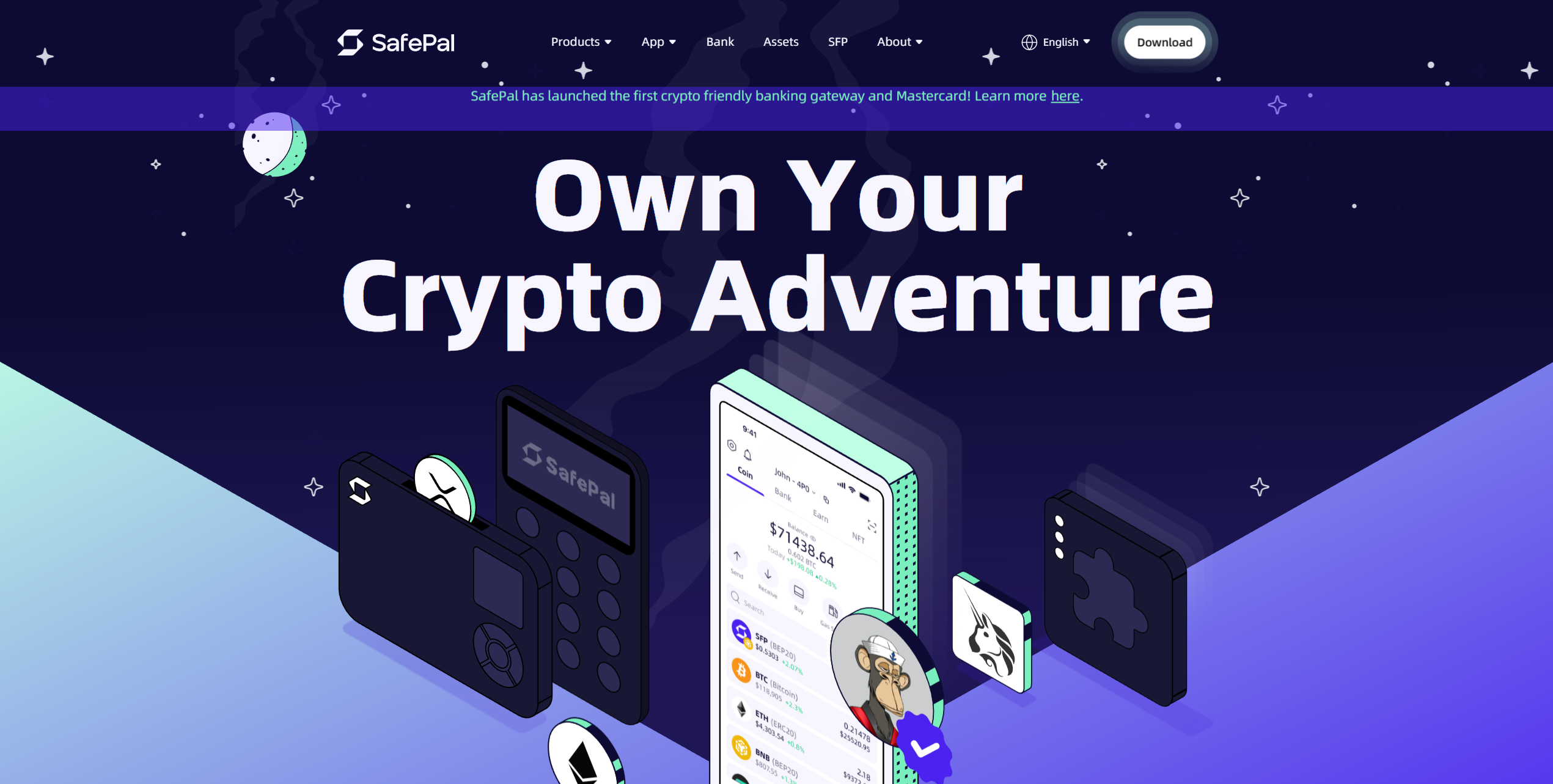
The SafePal S1 is a highly secure, yet affordable hardware wallet offering an EAL6+ security chip, open-source architecture, and a self-destruct mechanism for just $49.99. As one of the cheapest and best-equipped BNB cold storage solutions, SafePal S1 is perfect for low-budget investors who don't want to sacrifice security.
The SafePal S1 features minimal connectivity. There's no Bluetooth or WiFi. Instead, people use the S1 and their mobile to manage the wallet and scan QR codes for signing. It's roughly the size of a credit card, which makes safe storage simple, while an array of security sensors protects the device.
With it garnering investment from Binance Labs, it's no surprise that the S1 can handle buying, storing, or swapping BNB and BSC NFTs. However, the wallet also supports thousands of additional assets on 200+ blockchains, including Ethereum NFTs. The S1's WalletConnect integration and built-in dApp browser enable convenient Web3 usage.
With a built-in fiat on-ramp and a 400 mAh battery, the SafePal S1 offers significant convenience and ease of use at a fraction of the price compared to alternatives. Instead of overspending on a hardware wallet, consider the S1 and the savings it offers.
Pros
-
Highly affordable hardware wallet
-
EAL6+ security chip
-
Strong dApp support
-
Pocket-friendly design
-
Supports BNB and BSC NFTs
Cons
-
Limited to seed phrases for recovery
-
Requires charging
- Bitcoin
- Ethereum
-
Tether
89
No result
- English
- German
-
Spanish
12
No result
Tangem
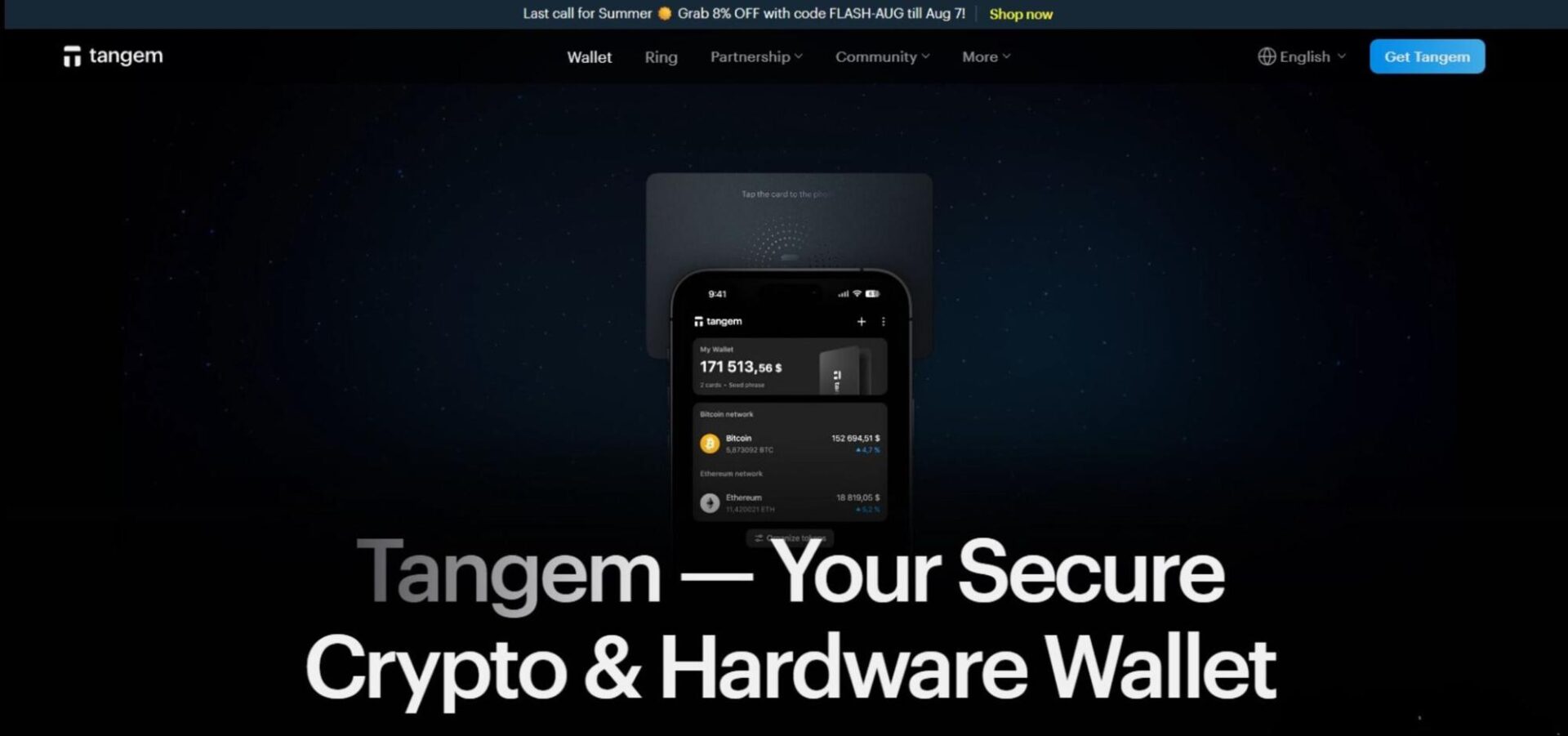
Crypto enthusiasts who frequently travel and prioritize portability and convenience will appreciate Tangem's credit-card-style, battery-free design, which enables the device to be securely carried within a wallet or pocket and used at a moment's notice, whenever needed.
The Tangem wallet offers best-in-class safety, featuring an EAL6+ security chip and an NFC-based transaction signing system that requires users to tap a Tangem card against their phone for approval. Tangem cards come in multi-packs. If one card is lost, the wallet can be accessed using the spare, creating redundancy.
Alongside being able to store 10,000+ assets (including BNB), Tangem utilizes WalletConnect, enabling seamless dApp connectivity. Likewise, Tangem supports NFTs on the Binance Smart Chain (BSC) and 12 other networks, making it a strong choice for Web3 enthusiasts who wish to consolidate their activities in a single wallet.
Tangem comes in multiple bundles, including: 2-card ($54.90), 3-card ($69.90), and 2-card plus a Tangem ring ($160). While somewhat expensive, Tangem offers first-class security, a 25-year warranty, and extensive asset support, making it an excellent choice for security-conscious BNB investors who travel or require portability.
Pros
-
Supports BNB and BSC NFTs
-
EAL6+ security chip
-
Easy to store and transport
-
Seamless dApp connectivity
-
Available at various price points
Cons
-
Requires a mobile device
-
No display for verifying addresses or seed phrases
- Bitcoin
- Ethereum
-
Tether
70
No result
- English
- German
-
French
3
No result
Kraken
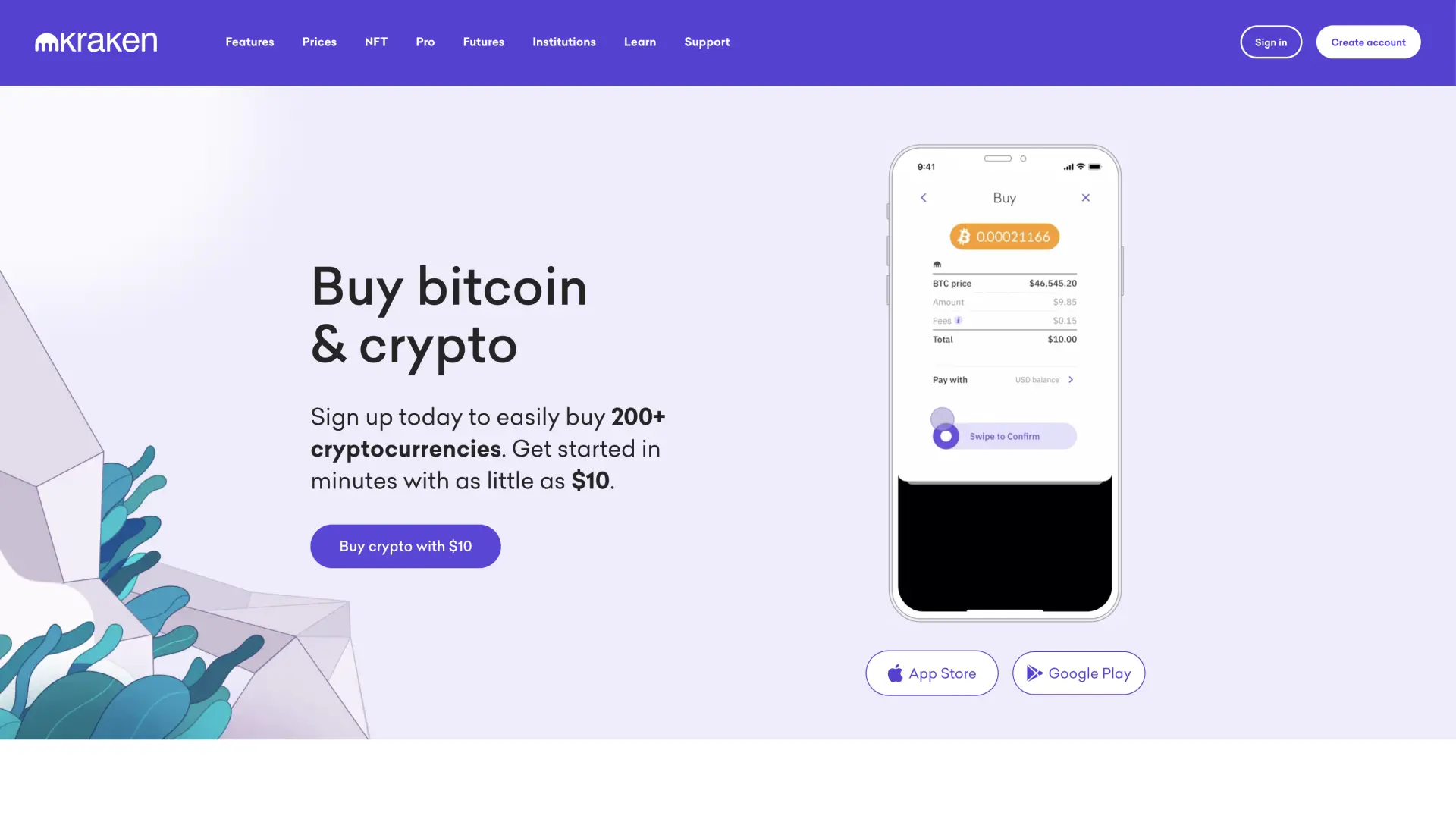
Kraken wallet is a non-custodial wallet for privacy-conscious users, a reputable exchange with strong security practices and DeFi integration.
Kraken Wallet operates as a self-custody solution separate from Kraken's main exchange platform, giving you complete control over your private keys while benefiting from the company's security expertise. You can interact with dApps and manage multiple cryptocurrencies without relying on centralized storage. The wallet targets users who understand the importance of self-custody but want the backing of an established crypto company.
It supports Bitcoin, Ethereum, and various ERC-20 tokens with full private key control. DeFi integration allows direct interaction with decentralized protocols for lending, borrowing, and yield farming. Multi-chain support includes popular networks beyond Ethereum, while hardware wallet compatibility works with Ledger and Trezor devices. Built-in portfolio tracking shows your holdings across different blockchains.
Pros
-
Self-custody design gives you complete fund control
-
Backed by Kraken's established security reputation
-
DeFi protocol integration for decentralized finance access
-
Multi-chain support covers popular blockchain networks
-
Hardware wallet compatibility enhances security options
Cons
-
Self-custody responsibility means no recovery assistance if keys are lost
-
Limited cryptocurrency selection compared to the main Kraken exchange
-
DeFi features may confuse users unfamiliar with decentralized protocols
-
No customer support for wallet recovery issues
-
Interface complexity exceeds basic storage needs
- Bitcoin
- Ethereum
-
Tether
83
No result
- Spanish
- English
-
French
4
No result
Uphold
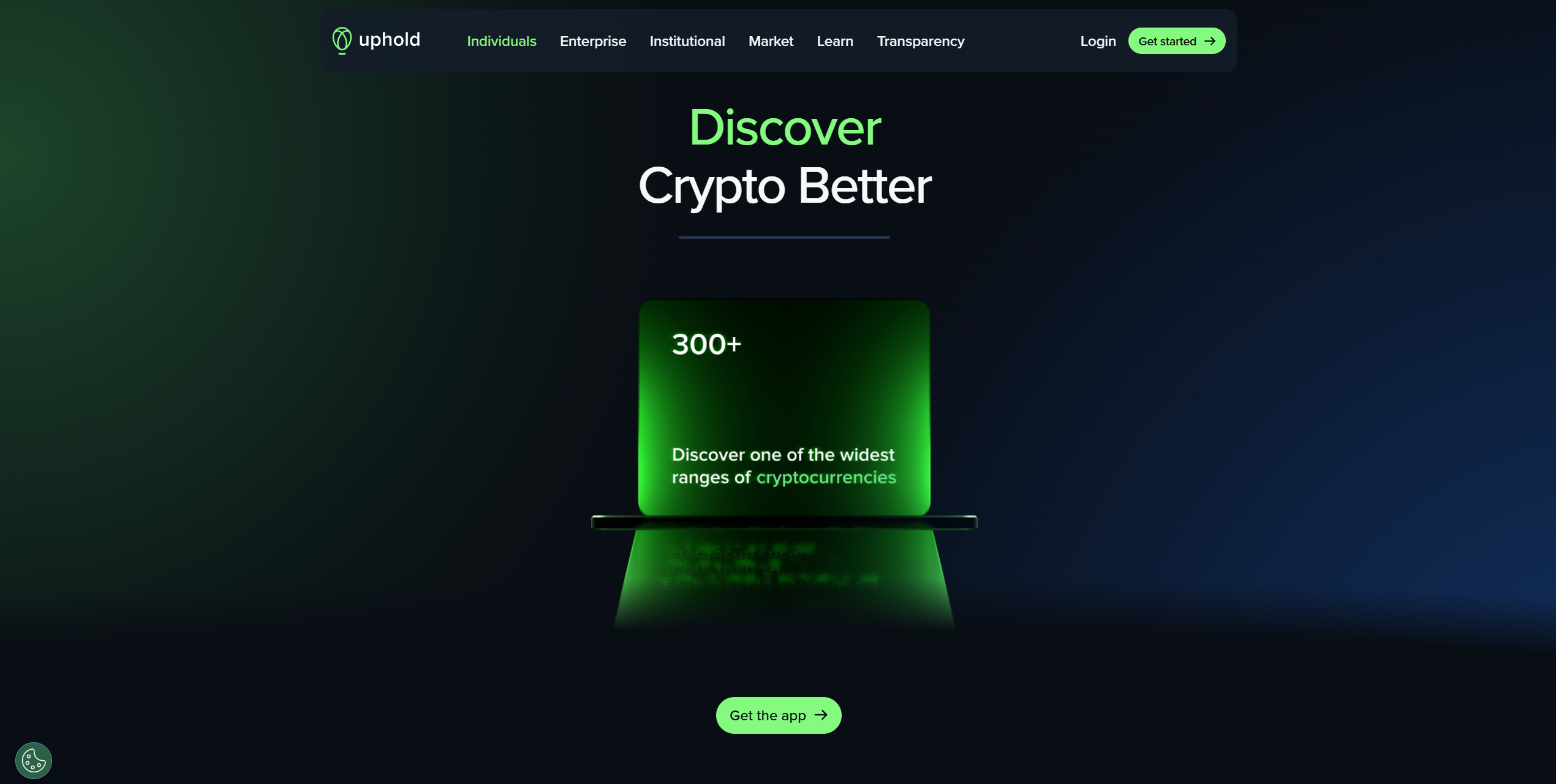
Uphold functions as a financial platform that lets you store and exchange cryptocurrencies along with traditional fiat currencies, precious metals, and other alternative investments. You can instantly convert between different asset types without going through multiple platforms or exchanges. The service targets users who want flexibility in managing diverse portfolios that span both traditional and cryptocurrency markets.
The platform supports over 250 cryptocurrencies plus fiat currencies from multiple countries, allowing instant conversions between any supported assets. Real-time settlement means transactions are completed immediately without waiting periods. The transparency dashboard shows exactly how your funds are held and backed. Social trading features allow you to copy successful traders' strategies automatically.
Pros
-
Instant conversion between crypto and fiat currencies
-
Wide selection of both traditional and cryptocurrency options
-
Transparent fund backing builds user confidence
-
Social trading capabilities for strategy copying
-
Real-time settlement eliminates transaction delays
Cons
-
Higher spreads on conversions reduce value compared to dedicated exchanges
-
Limited advanced trading tools for experienced traders
-
Customer support responsiveness varies by region
-
Platform complexity may overwhelm simple storage needs
-
Regulatory restrictions affect availability in certain jurisdictions
- Tether
- TrueUSD
-
USD Coin
144
No result
- English
Coinbase
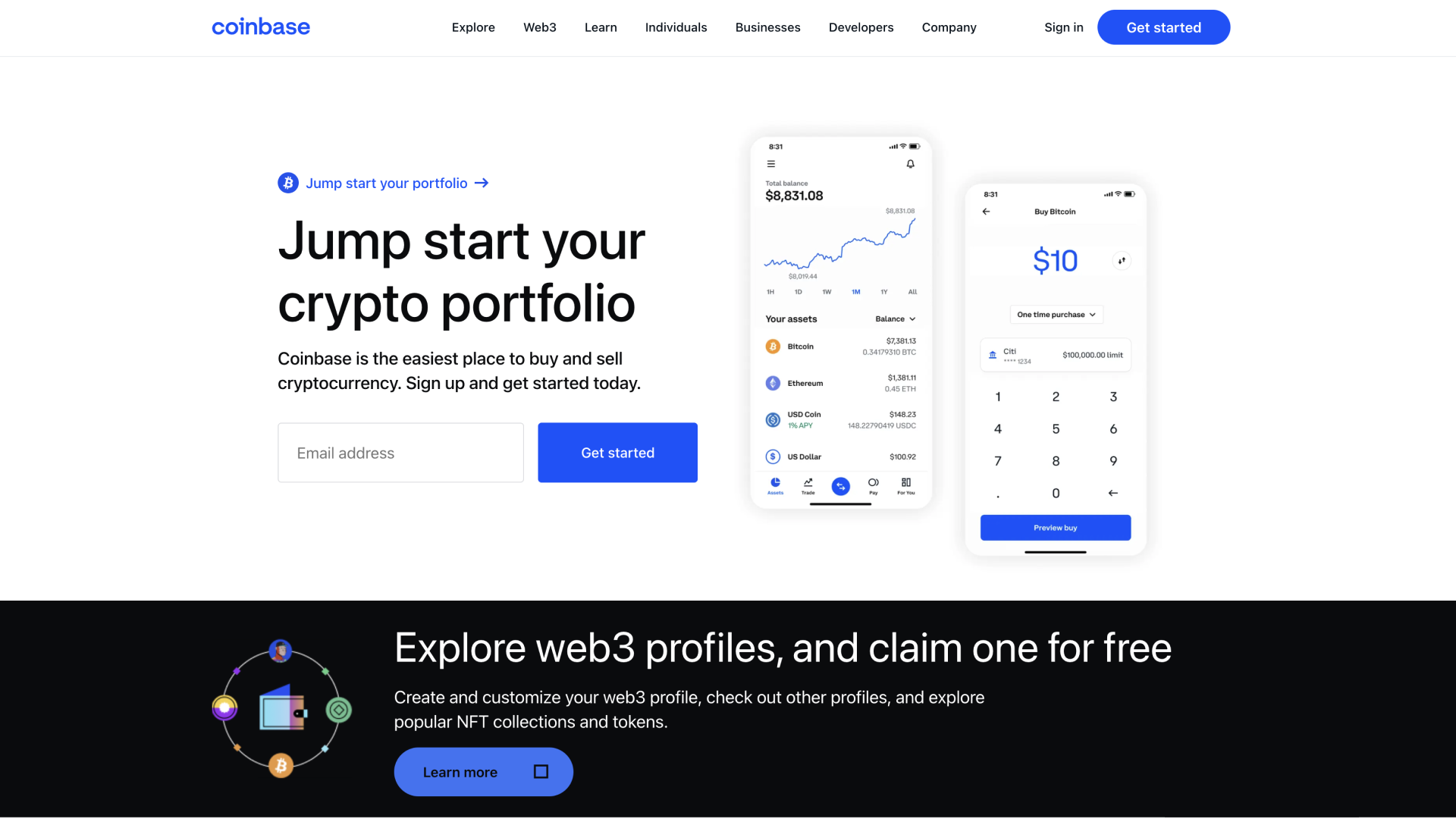
Base App represents Coinbase's evolution of its original wallet into an all-in-one platform that combines crypto storage with social networking features. You can manage your coins and collectibles while participating in a creative economy where content creation gets rewarded. The platform bridges traditional crypto wallet functions with modern social app experiences, targeting users who want both financial tools and community interaction in one application.
The app stores cryptocurrencies, non-fungible tokens (NFTs), and DeFi positions across multiple blockchain networks, including Bitcoin, Ethereum, and Solana. Built-in buying, swapping, staking, and minting capabilities eliminate the need for external services. USDC rewards provide passive income opportunities, while passkey backups simplify wallet recovery. Smart wallet technology offers sponsored transaction fees, and the platform supports millions of tokens across popular networks.
Pros
-
Integration with Coinbase's established ecosystem and reputation
-
Social features combine finance with community interaction
-
Supports extensive cryptocurrency and NFT collections
-
Multiple payment methods available in over 120 countries
-
Simplified backup process using modern passkey technology
Cons
-
Platform transition may confuse existing Coinbase Wallet users
-
Social networking focus might not appeal to privacy-conscious users
-
Dependency on Coinbase's infrastructure creates centralization concerns
-
New app format is still in beta development
-
Less suitable for users wanting pure wallet functionality
- Bitcoin
- Ethereum
-
Tether
68
No result
- English
Trezor
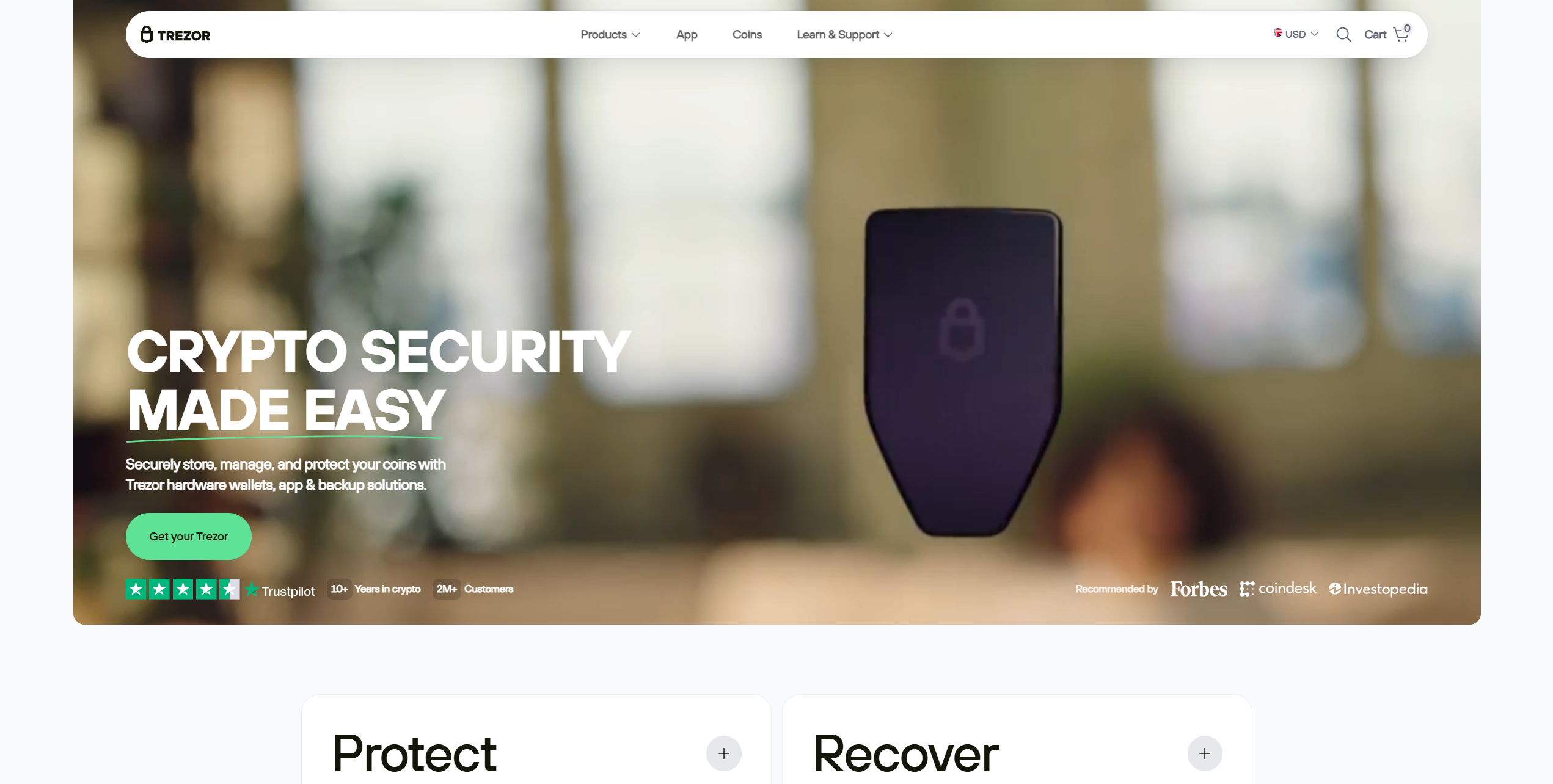
Trezor wallets are similar in function to Ledger wallets, boasting an open-source security architecture that enables users or researchers to audit the devices for bugs or vulnerabilities independently. If you're seeking a budget hardware wallet, the Trezor Model One doesn't get much better. Priced at $49, users get a small two-button device with an optional PIN system. It can store over 1,000 cryptocurrencies, but lacks some key assets, including XRP and Solana.
The Trezor Model T is a premium hardware wallet with a 1.54-inch touchscreen and USB-C connection. It offers the same seed phrase-splitting tool as the Safe 3, but is significantly more expensive at $129. Moreover, it can be used as a 2FA passkey device, enhancing flexibility. While all of Trezor's wallets are managed via Trezor Suite, which provides swap and purchase functionality, the Safe 3 is the best overall offering due to its EAL6+ security chip and seed-splitting tool. However, keep in mind that they're view-only on iOS. iPhone users cannot use Trezor wallets without another device.
Pros
-
Broad crypto asset support
-
Can connect to dApps and DeFi protocols
-
One of the most well-known hardware wallet brands
-
Products at multiple price points
-
EAL6+ security chips for Safe 3
-
Budget-friendly hardware wallet
Cons
-
No native iOS support for transactions
-
Absolute beginners might struggle with the interface at first
- Bitcoin
- Ethereum
-
Tether
204
No result
- English
- Czech
Technical Features Critical for BNB Holders

Although everyone has different requirements for what they’re looking for in a crypto storage solution, the best BNB wallets share certain indispensable features. They help BNB holders get more from their investments and generally enhance the overall user experience. These features include:
Native Staking and Delegation
Wondering how to stake BNB? It is a Proof-of-Staked-Authority (PoSA) cryptocurrency, meaning that a set of pre-selected, approved validators is identified based on their reputation and then designated as trusted nodes. There are 55 total validators and 21 active validators, who take turns to produce blocks.
Unfortunately, the average investor is unable to register as a validator. There are specific requirements that will be out of the reach of most people. However, anyone can delegate their holdings to an approved BNB validator to earn rewards while contributing to the network.
The crypto staking APY and fees vary based on the validator. Earnings range from 0.09% to 1.17% APY, while commission varies between 3% and 50%. As such, carefully selecting the validator to which you delegate your BNB is essential. Aim to balance the APY and commission to maximize efficiency.
It’s essential to note that rewards only begin accruing from midnight, the day after you initiate delegation. If you want to withdraw BNB from a validator, you’re subject to a seven-day unbonding period, which is worth keeping in mind if you plan on selling your BNB in the near future.
Understanding BNB Network Fees (Gas/Rent)
If you’re in the market for a BNB wallet, you should take time to understand the BNB network’s fee structure. As an Ethereum Virtual Machine (EVM) compatible platform, BNB utilizes a gas-based system, similar to Ethereum.
Ready to have BNB’s network fees explained? People measure BNB gas fees in gwei, a standardized unit across multiple blockchains. One gwei is equal to 0.000000001 BNB. Network activity, congestion, and the current gas price determine a transaction’s final cost.
As of October 1, 2025, the minimum gas price is 0.05 gwei, and a transaction requires roughly 21,000 gas units to complete. From these figures, we can see that an average transaction consumes 1,050 gwei or 0.00000105 (1,050 * 0.000000001) BNB, roughly equivalent to $0.001.
With such low fees, there’s little reason to waste time trying to reduce them by waiting for better network conditions or lowering your bid. That said, some of the non-custodial wallets we’ve reviewed allow users to set custom gas fees; however, this is mostly redundant for standard BNB transactions.
BNB Token Standards and NFT Support
If you plan to interact with the broader BNB ecosystem, you need to understand the various BNB token standards and which types of wallets support them.
- BEP-2: Tokens created on Binance’s old Beacon Chain. They’re suitable for simple transacting and trading, but lack smart contract functionality. Today, they’re effectively obsolete, with developers rarely, if ever, creating new BEP-2 tokens.
- BEP-20: Smart contract-enabled tokens, similar to ERC-20 assets on Ethereum. They’re EVM-compatible, issued on the BNB Smart Chain (BSC), and use the same address format as Ethereum (0x).
The majority of wallets will support BEP-20 BNB as it’s the network’s primary token standard. However, only non-custodial BEP-20 wallets support on-chain BSC assets. If you deposit an unsupported BEP-20 token to a custodial or exchange BNB wallet, it will be lost.
Typical BNB Non-Fungible Tokens (NFTs) are built using the BEP-721 standard, which is equivalent to Ethereum’s ERC-721. Although similar, a special BNB NFT wallet is required for interacting with BNB NFTs; an Ethereum NFT-compatible wallet doesn’t work. The Binance Web3 wallet supports BEP-20 and BEP-721 assets, making it a versatile choice.
Security Best Practices for Your BNB

Even if you’re using the best wallet for BNB, it’s essential to adhere to security best practices to enhance your safety and better protect your investments. Below, we outline a couple of straightforward techniques that anybody can use to improve their security.
The Critical Importance of Your Seed Phrase
Your seed phrase is like a set of house keys. Anyone who has control over a seed phrase has access to the associated wallet and all the crypto it contains. As such, securely storing your seed is essential. Failing to do so seriously compromises your protection.
Never store your seed digitally, such as in a screenshot or text file. Doing so leaves you vulnerable to digital attacks and may limit recovery options if your device is lost or damaged.
Instead, utilize a metal seed phrase storage solution. They cost around $50 but are permanent and resistant to fire, general damage, and digital attacks. Alternatively, analog solutions, like pen and paper, are suitable. They’re private and secure. Create multiple backups and store them in different locations for redundancy.
Securing Hardware Wallet Interaction
Hardware wallets are equipped with anti-tamper mechanisms that will warn the user or brick/erase the device if compromised. As such, you should always verify sensitive information directly on the hardware wallet device. Ensure any destination addresses match the intended recipient and confirm your seed on the device, when possible.
It’s also important to be aware of your surroundings. Never access sensitive information in public, and refrain from using wallets on public WiFi networks, as bad actors could intercept your data. To minimize risk, do not plug your hardware wallet into public computers or use it to connect to suspicious dApps.
Conclusion & Final Recommendation
The best BNB wallet is a personal choice that will vary depending on your individual requirements, goals, and preferences. There’s no one-size-fits-all solution. If a wallet is trustworthy, in-budget, and can handle your use case, it’s worth considering, even if it’s not on our list.
That said, our extensive research and testing have yielded a few options that excel above much of the competition. For example, Binance is the most convenient. The exchange can handle BNB purchases, while the MPC wallet offers dApp connectivity and BSC NFT support, making Binance an excellent all-around option.
If you’re new to crypto and want a simple wallet for storing BNB, then Zengo is hard to beat. It’s available on mobile and desktop, eliminates seed phrase storage requirements, and is straightforward enough that any crypto investor can quickly get to grips with it and securely store their assets.
If you’re a long-term investor looking to maximize your security, there’s no substitute for a hardware wallet. We recommend Tangem due to its 25-year warranty, broad BNB support, and EAL6+ security chip. Moreover, the wallet lacks a battery or delicate internal components, so it should stand the test of time.
FAQ Section
What is the difference between a BNB "account" and a "wallet"?
Users store BNB on the BNB Chain using a wallet. It exists on the blockchain, but wallet software (like MetaMask or Zengo) is used to interact with the wallet and manage the funds it contains. A Binance (the exchange that created BNB) account provides a custodial BNB wallet.
How much does it cost to send BNB from one wallet to another?
Transaction fees on the BNB network are extremely low, making it ideal for applications that involve numerous transactions, such as minting NFTs. The average cost for a BNB transaction is $0.001, following a reduction in gas prices from 3 to 0.05 gwei on October 1, 2025.
If I lose my phone, can I recover my BNB on a different wallet?
If you lose or damage your phone, you can still recover your BNB using your seed phrase through any compatible wallet, even one that differs from your original wallet provider. Some wallets, such as Zengo, offer specialized recovery systems to streamline the recovery process and reduce seed phrase risks.
What wallet should I use for BNB?
The best wallet for BNB will differ based on your individual goals and requirements. For temporarily storing trading funds or interacting with Decentralized Finance (DeFi) products, a secure hot wallet, such as the Binance MPC wallet, is best. For long-term storage, a hardware wallet like Tangem has no equal.


