- Our Highest Rated Bitcoin Anonymous Gambling Sites in 2026
- Short Reviews of the Top Bitcoin Anonymous Gambling Sites
- How We Rate Privacy at the Sites Above
- Where Your Identity Leaks When You Gamble With Crypto
- Step 1: Buy Crypto Without Linking It Straight to a Site
- Step 2: Set Up a Wallet Just for Gambling
- Step 3: Pick a Coin for Privacy, Not Just Speed
- Step 4: Use a VPN Without Putting Your Winnings at Risk
- Step 5: Keep Your Account Footprint Small
- Step 6: Withdraw Without Triggering Verification
- Casino vs Sportsbook Privacy: What Changes
- Privacy Mistakes That Undo Everything
- Gambling Responsibly When No One’s Checking
- The Bottom Line on Gambling Anonymously With Crypto
- FAQs About Anonymous Crypto Gambling
Anonymous Crypto Gambling in 2026: Best Sites and How to Stay Private


 Cashback Partner
10% extra cashback at every partner casino
- 1 Sign up free
- 2 Pick your casino
- 3 Get crypto monthly
- When you click links on this page, we may earn an affiliate commission. By using this website you agree to our terms and conditions and privacy policy.
- Participation in online gambling may be illegal in your country and is subject to age restrictions (18, 19, or 21, depending on the jurisdiction). Verify legality and age requirements before participating. Learn more
Our Highest Rated Bitcoin Anonymous Gambling Sites in 2026
You’re close to enjoying complete privacy when betting online. Here’s our top-rated BTC anonymous gambling sites.


10% cashback with Kyroo
10% cashback with Kyroo
Short Reviews of the Top Bitcoin Anonymous Gambling Sites
If you’re short on time, these brief reviews of the best anonymous Bitcoin gambling sites will give you a quick overview.

AnonCasino opened in 2024, operates license-free, and uses SSL encryption for safe, anonymous play. There are 7,000+ games from top providers (NetEnt, Pragmatic, Evolution) with hits like Book of Dead and Big Bass Bonanza. While sports and eSports aren’t offered, the provably fair setup and unique in-house releases stand out.
- Bitcoin
- Ethereum
-
Tether
3
No result
- English
- N/A - Not disclosed
- English

Crypto.Games, founded in 2014 and operated by MuchGaming B.V., holds a Curacao gaming license. Anonymous play is not allowed, ensuring a secure and transparent gaming environment.
The platform offers a unique collection of 10 games, including Blackjack, Dice, Roulette, and Slots. These are exclusively developed by Crypto.Games, creating a distinct user experience.
Crypto.Games lacks a traditional sportsbook but features sports-themed games like Minesweeper and Plinko. All games on the platform support provably fair technology, enhancing game fairness.
Cryptocurrency payment options include Bitcoin, Ethereum, Litecoin, among others, facilitating swift and secure transactions for a global audience.
- Tether
- Bitcoin
-
Ethereum
9
No result
- English
- Spanish
-
Arabic
9
No result
- Costa Rica
- English
10% cashback with Kyroo
10% cashback with Kyroo

Vave Casino has been active since 2022. It is a licensed crypto casino that supports anonymous play. You can only play anonymously via cryptocurrencies. Luckily, Vave supports multiple coins. In addition, you don’t have to worry about withdrawal limits when using cryptos. They are nonexistent. The casino offers many slots, table games, live dealer games and so much more. There is also a section with Vave original games.
- Bitcoin
- Bitcoin Cash
-
Dogecoin
55
No result
- English
- German
-
Spanish
13
No result
- Curaçao
- Comoros Gambling License Authority
- English
- German
-
Spanish
2
No result

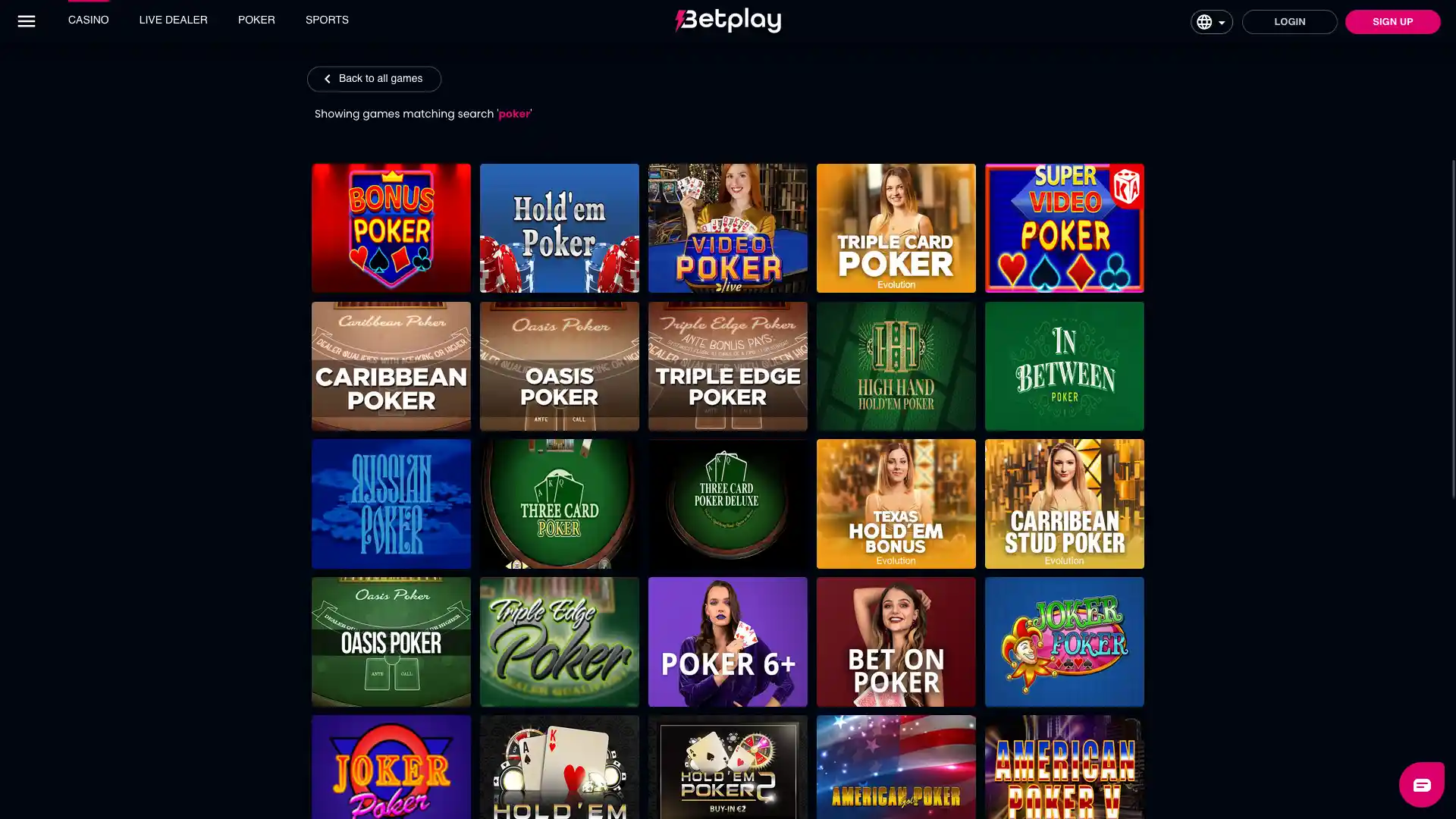
A growing number of people want to see what all the fuss is regarding anonymous gambling, and Betplay.io is a great platform to start with. The site is owned and operated by Lama Tech, Limitada, and can be your go-to destination for private online gaming. Founded in 2020 and licensed in Costa Rica, this platform offers a vast array of casino games and sports betting options. With its user-friendly interface and secure platform, Betplay provides players with a seamless gaming experience.
- TRON
- Dogecoin
-
Ripple
6
No result
- English
- German
-
Spanish
8
No result
- Costa Rica
- English
- Japanese

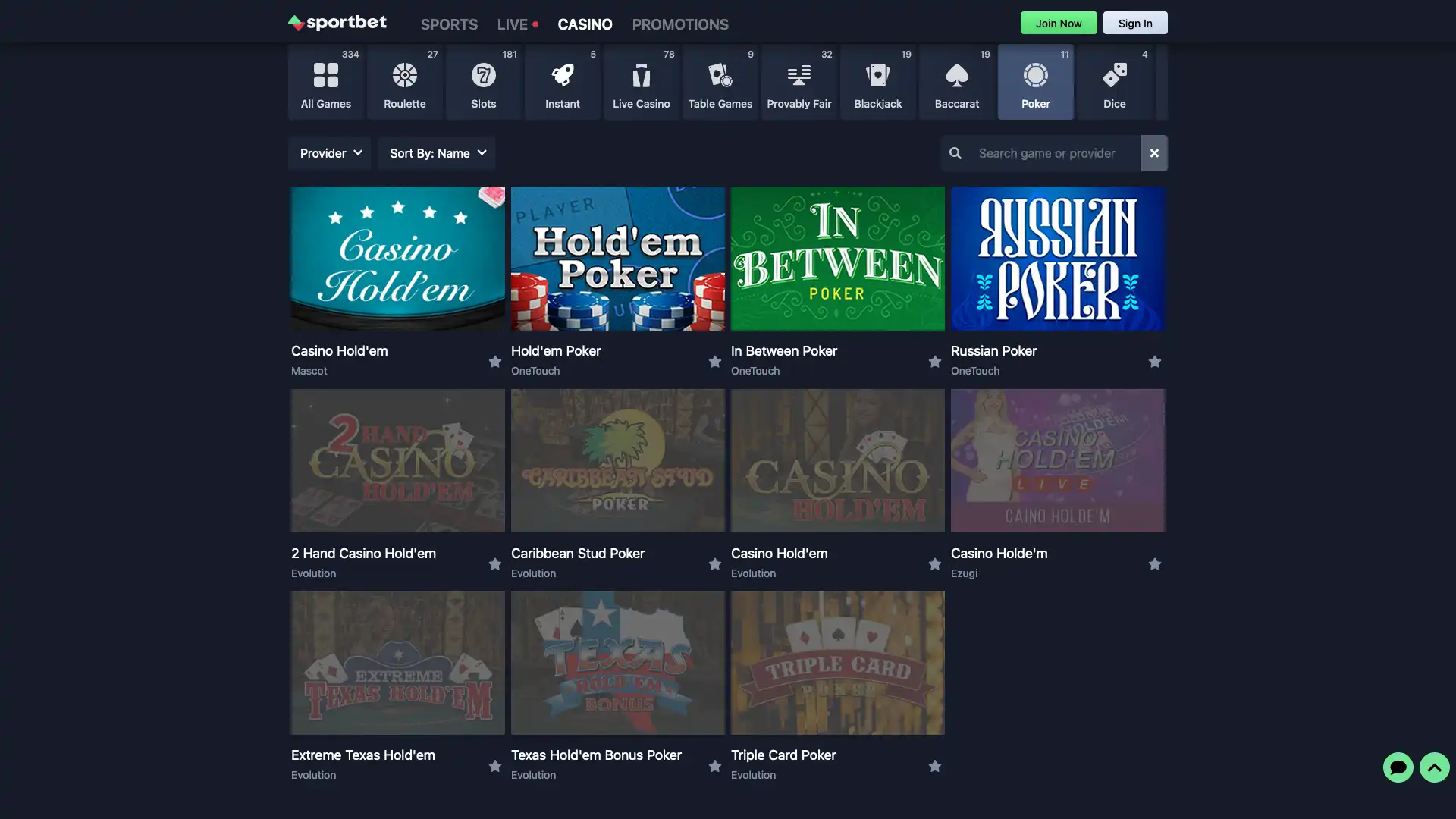
Sportbet.oneCasino was founded in 2018 and operates under a Mwali Gaming License, ensuring regulated gaming activities. The casino does not permit anonymous play and is managed by Reedll Limited.
The casino boasts over 2,500 games, featuring prominent providers like BGaming and Evolution. Players can enjoy a range of games from slots to live dealer experiences, including popular titles such as Crazy Time and Lightning Dice.
Sportbet.oneCasino offers a sportsbook with a wide variety of sports and eSports, including Football, Basketball, and Tennis. The sportsbook also covers niche markets like Valorant and Table Tennis, providing comprehensive betting options.
Payment methods focus on cryptocurrencies, accepting Bitcoin, Litecoin, Ethereum, EOS, and Tether (EOS version). Traditional payment options like VISA and Mastercard are also available, catering to a wide range of preferences.
- Bitcoin
- Solana
-
Tether
12
No result
- English
- Russian
-
Spanish
3
No result
- Comoros Gambling License Authority
- English
- Russian


Wild Casino was established in 2018 by BOL-SB House S.A. Anonymous play is not allowed, ensuring security through player identification.
The casino impresses with over 250 games, featuring top titles like Stay Frosty and Christmas Journey. Notable game providers include Betsoft Gaming, Visionary iGaming, and Nucleus Gaming, enhancing the variety and quality of games.
Although Wild Casino does not offer a sportsbook, it provides a rich selection of casino games including video poker and live dealer games for sports enthusiasts.
Payment options are extensive, emphasizing cryptocurrencies such as Bitcoin, Ethereum, and Litecoin. Traditional methods like Visa and Mastercard are also available, catering to diverse financial preferences.
- Bitcoin
- Bitcoin Cash
-
Ethereum
13
No result
- English
- Panama
- English
- Spanish


Super Slots Casino presents a polished and user-friendly online gaming platform that excels in mobile performance, game variety, and rewards. Its focus on crypto banking and recurring promotions ensures a modern and rewarding environment for players. While it lacks a multi-language support and a dedicated sportsbook, the interface is excellent and the overall experience is rewarding.
- Bitcoin
- Avalanche
-
Build'N'Build
13
No result
- English
- N/A - Not disclosed
- English

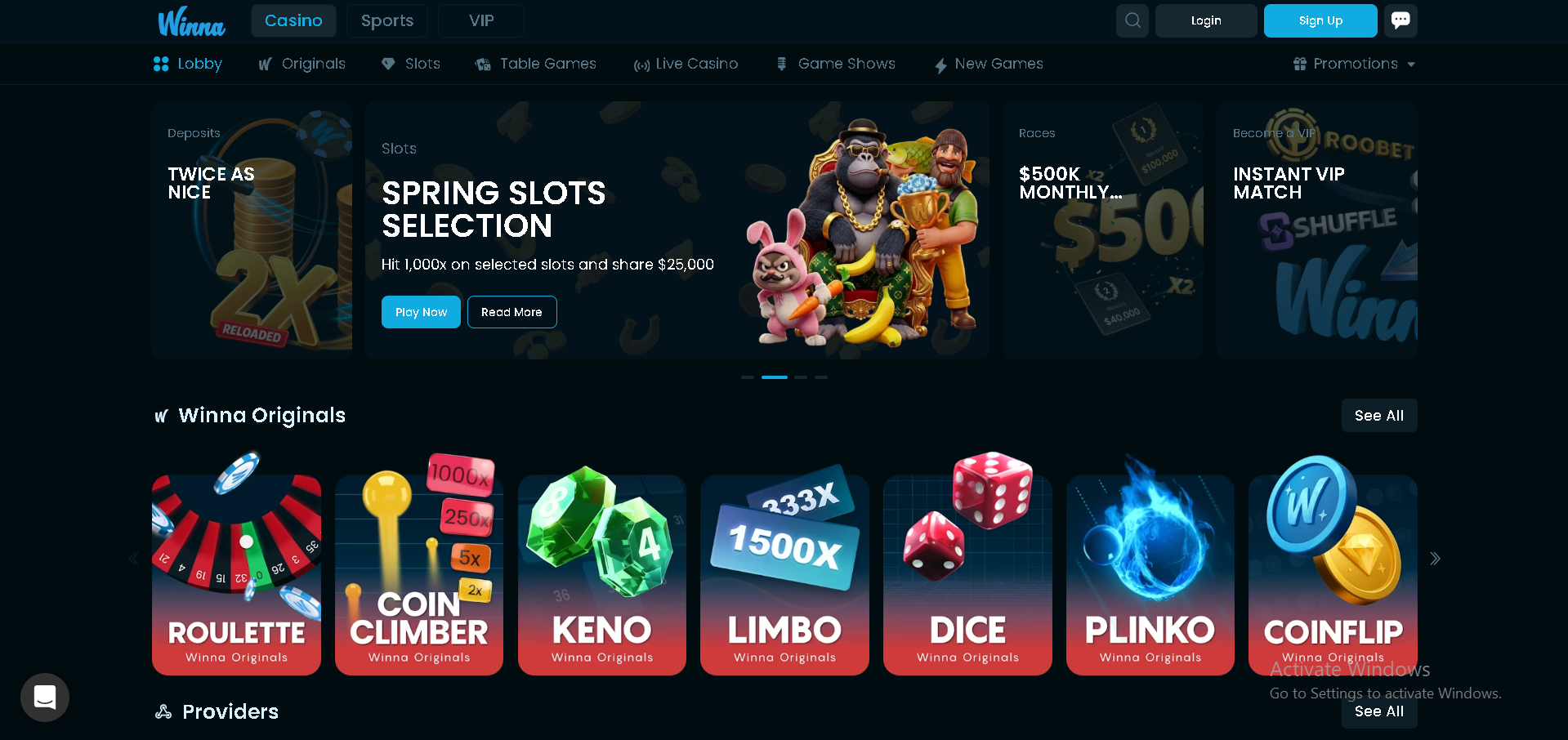
Winna Casino is an online gambling platform built around fast blockchain transactions, provably fair games, and a diverse collection of slots and live dealer titles. Players experience faster deposits, almost instant payouts, and an easy sign-up process. Overall, it appeals to new and experienced players who prefer speed and a user-friendly interface.
- Bitcoin
- Ethereum
-
Tether
9
No result
- English
- Turkish
-
Spanish
5
No result
- New Brunswick (TGC)
- English

How We Rate Privacy at the Sites Above
Our ranking weighs privacy first and everything else second. For each site, we look at:
- Sign-up requirements: Whether an account needs only an email or wallet connection, or asks for a name, phone number, or date of birth up front.
- KYC policy in the terms: What the terms and conditions actually say about verification, not what the homepage promises. A site that “reserves the right” to request ID at any time scores lower than one that states specific triggers.
- Withdrawal behavior: How quickly crypto withdrawals clear and whether they clear without manual review.
- VPN stance: Whether VPN use is permitted in writing, tolerated, or banned.
- Coin support: Whether privacy coins such as Monero are accepted alongside Bitcoin and stablecoins.
- Licensing and track record: Whether the site holds a recognized crypto gambling license and how it has handled player complaints over time.
Where Your Identity Leaks When You Gamble With Crypto
Most players focus on whether a site asks for ID. That’s only one of eight points where your identity can attach to your gambling activity, and it’s often not the first one that gives you away. The table below maps each leak, what it exposes, and how to close it.
| Leak Point | What It Exposes | How to Close It |
|---|---|---|
| Exchange account | Your verified name is tied to every address you withdraw to | Withdraw to a personal wallet first, never straight to a gambling site |
| Direct exchange-to-site transfer | Your exchange sees a gambling destination and may restrict your account | Route funds through a wallet you control |
| Address reuse | Every deposit and withdrawal links into one visible profile | Use a fresh receiving address for each transaction |
| IP address | Your location and internet provider | Use a VPN where the site’s terms allow it, or Tor |
| Email and phone number | Your real identity through account recovery details | Use an email alias and skip the phone number |
| Device and app installs | App store accounts linked to your ID and payment card | Play in a mobile or desktop browser |
| Site KYC request | Full ID documents and proof of address | Know the triggers and test withdrawals early |
| Cashing out to fiat | Exchange KYC again, plus a tax record | Unavoidable, so plan for it rather than ignore it |
The steps below close these leaks in the order you’ll meet them, starting with how you get crypto in the first place.
Step 1: Buy Crypto Without Linking It Straight to a Site
Almost every reliable way to buy crypto involves KYC. Centralized exchanges verify your identity under anti-money-laundering rules, and the FATF Travel Rule requires them to share sender and recipient information when funds move between regulated platforms. Trying to avoid that step entirely usually means peer-to-peer trades with strangers, which introduces a scam risk that outweighs the privacy gains for most players.
The practical goal is different: stop your exchange from seeing where your crypto goes next. Sending funds straight from an exchange to a gambling deposit address creates a direct, permanent record linking your verified account to that site. It can also cause problems with the exchange itself. Coinbase, for example, lists internet gaming and games of chance that aren’t sanctioned by a regulator as prohibited uses in its policy, and exchanges run blockchain analytics that can identify deposit addresses associated with known gambling platforms.
A cleaner route looks like this:
- Buy on the exchange: Use a reputable platform and accept that this step is tied to your name.
- Withdraw to your own wallet: Move the coins to a non-custodial wallet you control. To the exchange, this looks like any other self-custody withdrawal.
- Deposit from that wallet: Fund your gambling account from the personal wallet, not from the exchange.
This doesn’t make you untraceable. Anyone with blockchain analysis tools can still follow the hop from exchange to wallet to site on a public chain like Bitcoin. What it does is keep your exchange account clean and stop casual linking, which is the realistic privacy level most players need. Stronger on-chain privacy comes from the coin you choose, covered in Step 3.
Step 2: Set Up a Wallet Just for Gambling
A dedicated wallet is the single most useful privacy habit in crypto gambling. If you deposit from the same wallet that holds your long-term savings, a gambling site, or anyone who looks up your deposit address on a block explorer, can see your full balance and transaction history. A separate wallet limits what any one site can learn about you.
What to look for in a gambling wallet:
- Non-custodial control: You hold the private keys and seed phrase. No company can freeze it or hand over your details. Our guide to anonymous crypto wallets covers options that don’t require sign-up details.
- No account or KYC: Many reputable software wallets need nothing more than a seed phrase to set up. Avoid wallets that ask for an email or ID unless you need a feature that requires it.
- Fresh address generation: Most modern Bitcoin wallets generate a new receive address automatically each time. Use it. Reusing one address ties every deposit and withdrawal together.
- Support for the coins you’ll use: If you plan to use Monero, you’ll need a wallet that supports it, since many multi-coin wallets don’t.
Keep your setup simple. A hot (software) wallet handles session deposits and withdrawals, and a hardware wallet holds anything you aren’t actively playing with. Write the seed phrase down offline and never store it in a screenshot, cloud note, or email. For a closer comparison of hot and cold storage for this use, see our breakdown of the crypto wallets for gambling.
Step 3: Pick a Coin for Privacy, Not Just Speed
Your choice of coin determines how much an outside observer can learn from the blockchain itself. Most players default to Bitcoin or a stablecoin because nearly every site accepts them, but those are among the most transparent options available. The table below compares the coins you’re most likely to use.
| Coin | On-Chain Privacy | Site Acceptance | Main Trade-Off |
|---|---|---|---|
| Bitcoin (BTC) | Low: amounts, addresses, and history are public | Near universal | The easiest coin to trace, and fees climb when the network is busy |
| Litecoin (LTC) | Low by default | Very wide | Fast and cheap, but deposits land on a standard public address |
| Tether (USDT) and USD Coin (USDC) | Low | Very wide | Stable value, but the issuer can freeze addresses |
| Monero (XMR) | High by default | Limited | Harder to buy since major exchanges delisted it |
| Zcash (ZEC) | High only with shielded transactions | Limited | Privacy is opt-in, and many deposits use transparent addresses |
Bitcoin’s own developers are blunt about this: the Bitcoin.org privacy guide states that all transactions are public, traceable, and permanently stored. Litecoin offers an optional privacy feature, but it rarely helps here because gambling deposits are sent to ordinary, visible addresses.
Stablecoins carry a risk most guides skip. Tether and Circle can freeze tokens at specific addresses, and Tether has frozen funds linked to hacks, fraud, and sanctioned wallets many times, as The Block has reported. An honest player is unlikely to be targeted, but if a site’s hot wallet or a counterparty address is flagged, stablecoin balances can be caught up in the fallout.
Monero is the strongest choice for on-chain privacy. It hides senders with ring signatures, recipients with stealth addresses, and amounts with RingCT, all by default, according to the Monero Project. The catch is access. Binance delisted XMR in February 2024, and Kraken removed it for European customers later that year, as Decrypt reported, so buying it and cashing out takes more planning. If you want to use it, start with sites that list it on our Monero casinos page, our picks of Monero wallets, and our explainer on privacy coins.
Step 4: Use a VPN Without Putting Your Winnings at Risk
A VPN encrypts your traffic and swaps your real IP address for the VPN server’s address. That stops a gambling site from logging where you connect from and stops your internet provider from seeing which sites you visit. It’s a useful layer, but it covers one leak point out of eight, and it can cost you money if you use it carelessly.
What a VPN Hides and What It Doesn’t
A VPN hides your IP address and browsing destinations. It doesn’t hide anything you hand over directly: your email, the wallet addresses you deposit from, your device and browser fingerprint, or documents you submit during KYC. A site that already knows your email and can trace your deposit wallet doesn’t need your IP address to know who you are.
If you use one, choose a provider with an audited no-logs policy, and consider one that accepts crypto payments so your subscription isn’t tied to a bank card. Our list of VPN-friendly crypto casinos covers sites that explicitly allow VPN use.
Check the Terms, Not the Live Chat
Many gambling sites ban VPN use in their terms, and others say nothing. That gap matters at withdrawal time. A recurring warning on player forums is that a support agent’s assurance that “VPNs are fine” doesn’t bind the finance or risk team that approves payouts. The only protection that holds up in a dispute is a written clause in the terms and conditions that permits VPN use.
Never Use a VPN to Get Around a Country Ban
Using a VPN to appear to be in a country where a site is allowed, when you’re actually in one where it isn’t, breaks the site’s terms and may break local law. It’s also the fastest way to have winnings voided. Location mismatches are one of the most common KYC triggers, and sites can compare your VPN location with your deposit patterns, device time zone, and language settings. Use a VPN for privacy, with a server in a country the site accepts and that matches where you really are.
VPN vs Tor
Tor routes traffic through several volunteer-run relays, so no single point sees both who you are and where you’re going. That makes it stronger than a VPN for anonymity, but it’s slow, and many gambling sites block Tor exit nodes or bury them in security challenges. Live dealer streams and in-play betting, where a few seconds of lag matter, rarely work well over Tor. For most players, a reputable VPN is the practical choice, and Tor is the option for those who want maximum network privacy and can live with the friction.
Step 5: Keep Your Account Footprint Small
Your account details are often the weakest link because recovery information must be reliable enough for you to use. The aim is to give a site only what it needs to keep your account secure, and nothing that points back to your legal identity.
- Email alias: Sign up with a dedicated email address or a forwarding alias rather than your main inbox. Never use the email tied to your Exchange account.
- No social login: Skip “Sign in with Google” or similar buttons. They hand your real name and profile data to the site.
- No phone number: Leave it out if the field is optional. A phone number is tied to a SIM, and in many countries, SIM cards are registered to a named person.
- App-based two-factor authentication: Use an authenticator app instead of SMS codes. It’s more secure and keeps your number out of the picture.
- Unique password: A password manager makes this easy and prevents a breach at one site from exposing your passwords at others.
- Telegram-based sites: Telegram requires a phone number to create an account, so a site you access through a Telegram bot can, in principle, connect your play to that number.
Mobile Play and Privacy
Phones leak more than desktops. Installing a gambling app means going through the App Store or Google Play, both of which tie downloads to an account linked to your name and payment details. Many offshore crypto gambling apps aren’t listed in those stores at all, which pushes players toward sideloaded files that carry their own security risks.
Playing in your phone’s browser avoids both problems. Most crypto gambling sites are built mobile-first, and many let you add a shortcut to your home screen that opens like an app without a store account. Mobile data is also worth considering: your carrier can see your traffic, and your SIM is usually registered to you, so a VPN matters more on a phone than on home broadband. If you prefer an app regardless, our guide to crypto casino apps covers the options.
Step 6: Withdraw Without Triggering Verification
Most anonymous sites don’t ask for ID at sign-up. The real test comes at withdrawal, which is when a “no KYC” site can suddenly ask for a passport, a selfie, and a utility bill. Knowing what tends to trigger that request lets you avoid it, or at least avoid being caught off guard by it.
Common triggers include:
- Large withdrawals: Many sites have an internal threshold above which payouts go to manual review. It’s rarely published, so read the KYC clause in the terms before you deposit.
- Bonus play: Withdrawals after a bonus are checked for wagering compliance and bonus abuse, which often includes identity checks. If privacy matters more than extra funds, skip the crypto casino bonuses and free bets.
- Location mismatches: An IP address in one country, a device set to another, and deposit patterns that suggest a third will flag your account.
- Multiple accounts: Several accounts sharing an IP address, device, or wallet may appear to be bonus abuse or fraud.
- Flagged incoming funds: Sites screen deposits with blockchain analytics. Coins with a history linked to hacks, darknet markets, or sanctioned addresses can freeze your account even if you received them innocently.
A few habits keep withdrawals smooth:
- Test early: Make a small withdrawal soon after your first deposit to see how the process works before you have serious money on the site.
- Withdraw back to your gambling wallet: Keep your exit route the same as your entry route, rather than sending winnings straight to an exchange.
- Don’t split withdrawals to dodge limits: Breaking one large payout into many small ones looks like structuring and invites the review you’re trying to avoid.
- Don’t leave balances sitting: Withdraw after each session. An offshore site holding your funds is a risk in itself.
Sites that pay out automatically tend to cause the fewest problems, which is why speed is closely tied to privacy. Our list of instant withdrawal crypto casinos focuses on that, and our no-KYC crypto casino guide explains how verification-free sites work in more detail.
Casino vs Sportsbook Privacy: What Changes
The privacy setup above works for both casinos and sportsbooks, but where verification bites differs between the two.
- Big single wins at sportsbooks: A long-odds parlay can turn a small stake into a payout well above a site’s review threshold in one bet. Casino wins tend to build more gradually, except for jackpots.
- Betting pattern reviews: Sportsbook risk teams watch for sharp betting, arbitrage, and matched betting. Accounts that consistently beat the closing line are often limited or reviewed, and a review may include identity checks.
- Bonus-heavy casino play: Casinos lean harder on welcome packages and reloads, so bonus-related reviews are the most common verification trigger there.
- Game provider geo-rules: Casino game studios set their own country restrictions. A title on a crypto slots or crypto live casino lobby can disappear if your VPN location changes, and play recorded from a restricted region can complicate a withdrawal.
- Table games: Players who stick to games such as crypto blackjack usually face fewer triggers during play, so the withdrawal amount is the main thing to watch.
- Live and in-play betting: Slow connections hurt live odds, so heavy privacy tools like Tor suit casino play better than in-play betting.
For the broader market without the privacy filter, see our hubs for crypto casinos and crypto sportsbooks, plus our ranking of crypto betting sites.
Privacy Mistakes That Undo Everything
Most privacy failures come from a single shortcut rather than a lack of tools. Avoid these:
- Depositing straight from an exchange: This creates a permanent link between your verified account and the site, and can put your exchange account at risk.
- Reusing one deposit address: Everything you do becomes one easy-to-read profile on the blockchain.
- Using your main wallet: Anyone who sees your deposit address can see your savings, too.
- Using mixers: Mixing services carry real legal exposure. The US Treasury sanctioned Tornado Cash in 2022 before lifting the sanctions in 2025, and the founders of Samourai Wallet were sentenced to prison in November 2025 for operating an unlicensed money transmitting business. Gambling sites also screen for mixed coins and may freeze deposits that come from them.
- Spoofing your location: A VPN set to a country you’re not in is the quickest route to having your winnings confiscated.
- Sharing transaction details: Posting a screenshot of a big win with a visible transaction ID or address makes it easy for anyone to trace your wallet.
- Leaving funds on the site: No-KYC sites rarely offer the dispute routes that regulated ones do, so a balance left on the site is exposed if the operator closes or freezes accounts.
Gambling Responsibly When No One’s Checking
The same features that protect your privacy also remove guardrails. Anonymous sites rarely check affordability, national self-exclusion registers don’t reach offshore operators, and a self-exclusion at one site does nothing at the next one. Crypto makes deposits instant, making it easier to chase losses.
Put your own limits in place before you need them. Fund your gambling wallet with a set amount per week or month and treat it as the hard ceiling. Use any deposit limits, session reminders, or cooling-off tools a site offers, and step away when you notice you’re playing to win back losses. Our responsible gambling guide lists support services and practical tools.
The Bottom Line on Gambling Anonymously With Crypto
A no-KYC site only covers the first layer of privacy. The rest depends on the setup around it: a dedicated wallet, funds that don’t move straight from your exchange, a coin that suits how private you need to be, a VPN used within a site’s terms, and an account that doesn’t carry your real details.
Set up your wallet first, then pick a site from the ranking above and read its KYC and VPN terms before depositing. Make a small test withdrawal early. If you play only one type of game, our anonymous crypto casinos and anonymous crypto betting sites guides narrow the choice further, and our crypto gambling hub covers everything else.
FAQs About Anonymous Crypto Gambling


