- Best Anonymous Betting Sites Ranked
- Your casino bonus. Kyroo pays you cashback.
- Get cashback where you already play
- Short Reviews of the Top Crypto Anonymous Betting Sites
- Anonymous vs No KYC Sportsbooks: What’s the Difference?
- The 3 Levels of Anonymity at Crypto Sportsbooks
- How to Choose an Anonymous Sportsbook
- What Triggers KYC at No KYC Sportsbooks?
- Best Coins for Anonymous Betting
- How to Sign Up and Bet Anonymously
- How to Withdraw From a No KYC Sportsbook Without Verification
- Bonuses at No KYC Sportsbooks
- Risks and Red Flags at Anonymous Betting Sites
- Anonymous vs Traditional Sportsbooks
- Are Anonymous Betting Sites Legal?
- Bet Responsibly at Anonymous Sportsbooks
- The Bottom Line on Anonymous Crypto Betting Sites
- FAQs
Best Anonymous Betting Sites in 2026: No KYC Crypto Sportsbooks

- When you click links on this page, we may earn an affiliate commission. By using this website you agree to our terms and conditions and privacy policy.
- Participation in online gambling may be illegal in your country and is subject to age restrictions (18, 19, or 21, depending on the jurisdiction). Verify legality and age requirements before participating. Learn more
Best Anonymous Betting Sites Ranked
Anonymous crypto betting sites offer privacy that traditional sports betting sites can’t match. According to our reviewers, here are the top choices for the year.

10% cashback
10% cashback
Short Reviews of the Top Crypto Anonymous Betting Sites
Explore our curated list of the best anonymous crypto betting sites. Review these options to find the platform that best suits your needs.

10% cashback
10% cashback

Vave Sportsbook has been with us since 2022. Today, it is one of the most popular betting sites, hosting 46 different sports to bet on. You can find traditional sports, eSports, and virtual sports. But it is also one of the rarest sites of this kind that offers anonymous play. KYC is not mandatory for all players but it can be requested at some point. This is only possible when you play using cryptocurrencies and, in this case, Vave has you covered.
- Bitcoin
- Bitcoin Cash
-
Dogecoin
55
No result
- English
- German
-
Spanish
13
No result
- Curaçao
- Comoros Gambling License Authority
- English
- German
-
Spanish
2
No result

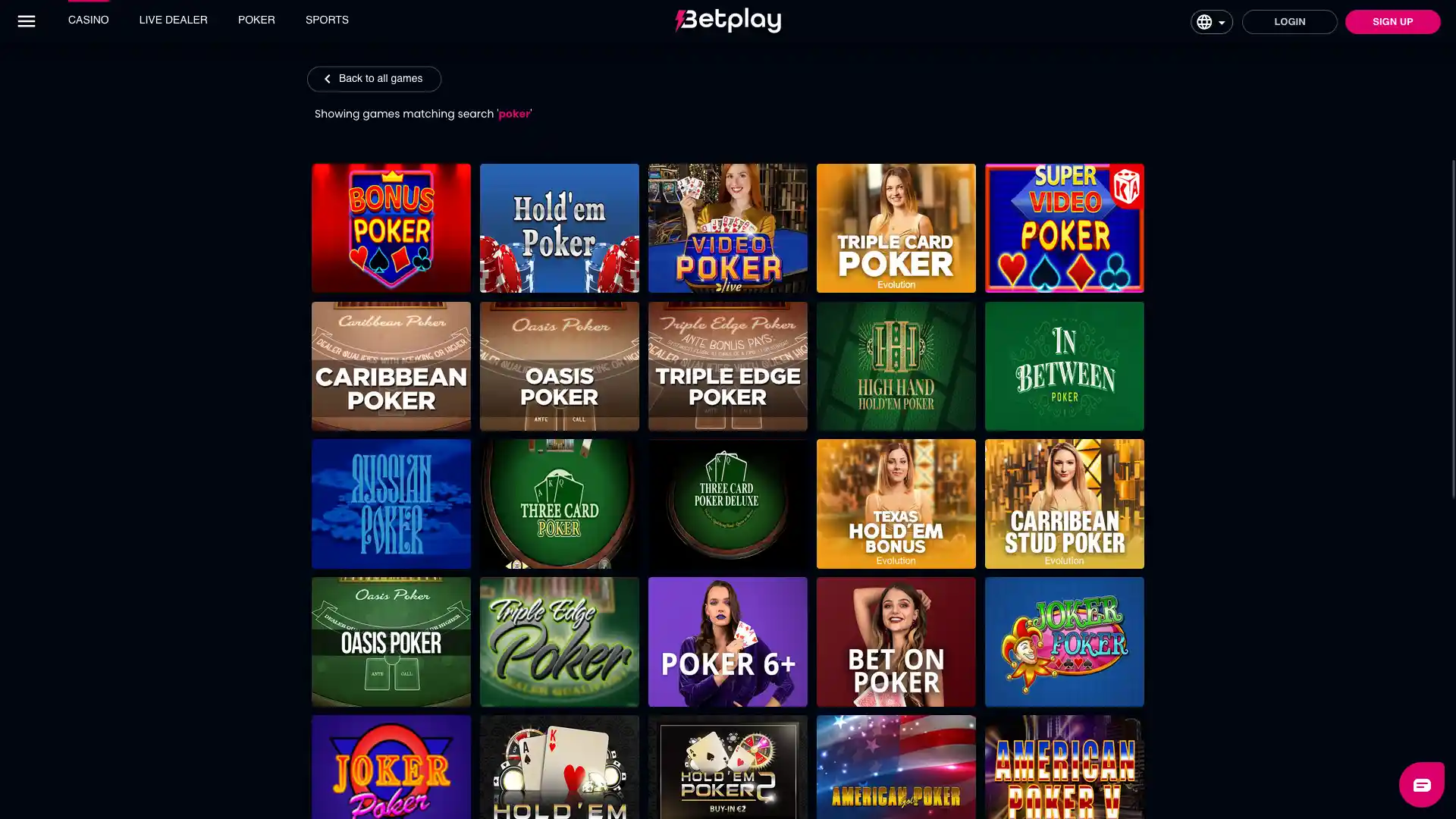
Players interested in anonymous sports betting should consider trying Betplay.io, which allows them to wager using various cryptocurrencies. The site is owned and operated by Lama Tech, Limitada, and has been around since 2020. It invites players to explore its wide selection of crypto sports betting markets. With a Costa Rica license, this site provides players with a secure and reliable gaming environment. Best of all, since you get to gamble using cryptocurrency, you can enjoy sports betting anonymously.
- TRON
- Dogecoin
-
Ripple
6
No result
- English
- German
-
Spanish
8
No result
- Costa Rica
- English
- Japanese

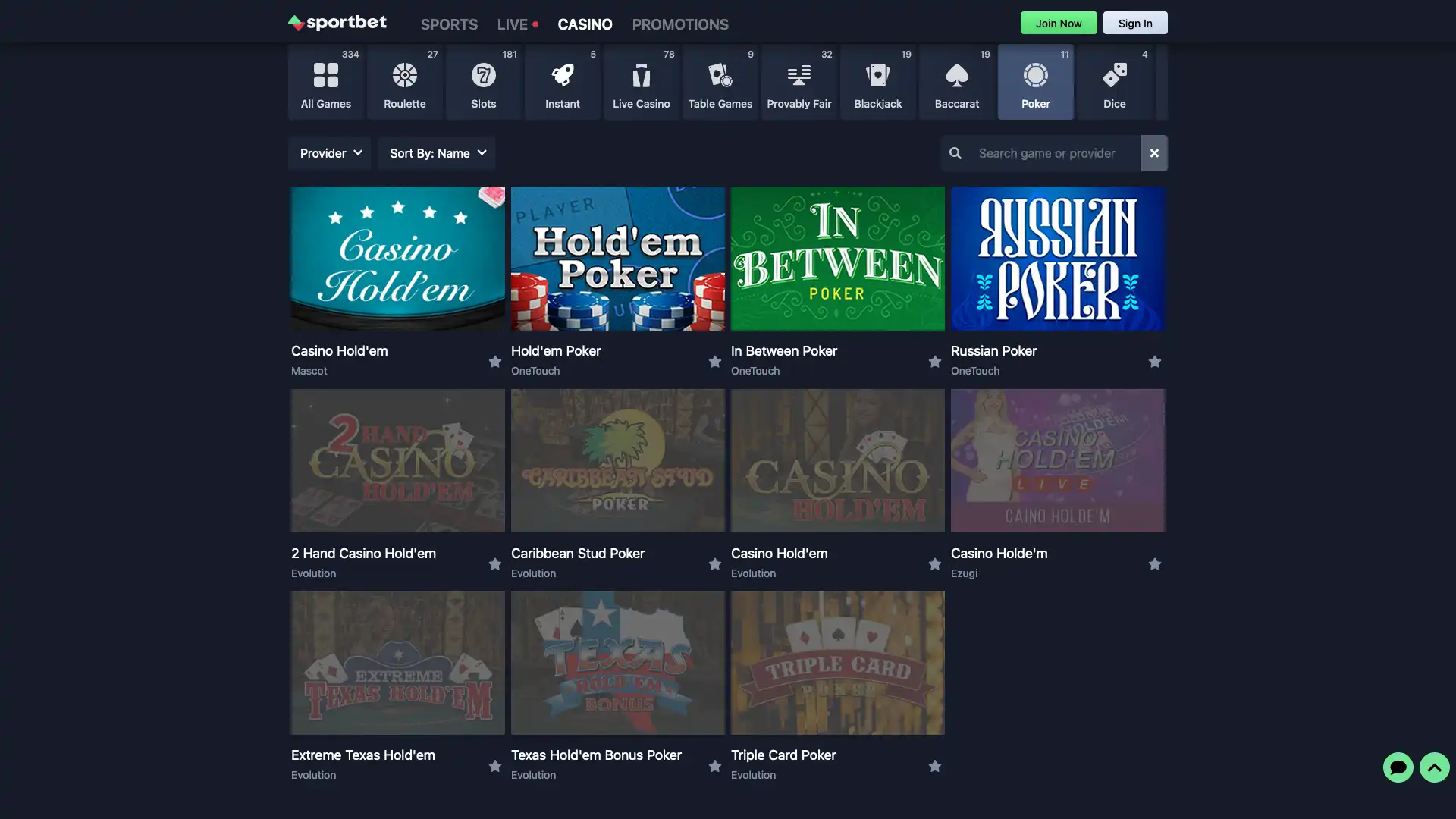
Sportbet.oneCasino was founded in 2018 and operates under a Mwali Gaming License, ensuring regulated gaming activities. The casino does not permit anonymous play and is managed by Reedll Limited.
The casino boasts over 2,500 games, featuring prominent providers like BGaming and Evolution. Players can enjoy a range of games from slots to live dealer experiences, including popular titles such as Crazy Time and Lightning Dice.
Sportbet.oneCasino offers a sportsbook with a wide variety of sports and eSports, including Football, Basketball, and Tennis. The sportsbook also covers niche markets like Valorant and Table Tennis, providing comprehensive betting options.
Payment methods focus on cryptocurrencies, accepting Bitcoin, Litecoin, Ethereum, EOS, and Tether (EOS version). Traditional payment options like VISA and Mastercard are also available, catering to a wide range of preferences.
- Bitcoin
- Solana
-
Tether
12
No result
- English
- Russian
-
Spanish
3
No result
- Comoros Gambling License Authority
- English
- Russian


Crypto.Games, founded in 2014 and operated by MuchGaming B.V., holds a Curacao gaming license. Anonymous play is not allowed, ensuring a secure and transparent gaming environment.
The platform offers a unique collection of 10 games, including Blackjack, Dice, Roulette, and Slots. These are exclusively developed by Crypto.Games, creating a distinct user experience.
Crypto.Games lacks a traditional sportsbook but features sports-themed games like Minesweeper and Plinko. All games on the platform support provably fair technology, enhancing game fairness.
Cryptocurrency payment options include Bitcoin, Ethereum, Litecoin, among others, facilitating swift and secure transactions for a global audience.
- Tether
- Bitcoin
-
Ethereum
9
No result
- English
- Spanish
-
Arabic
9
No result
- Costa Rica
- English

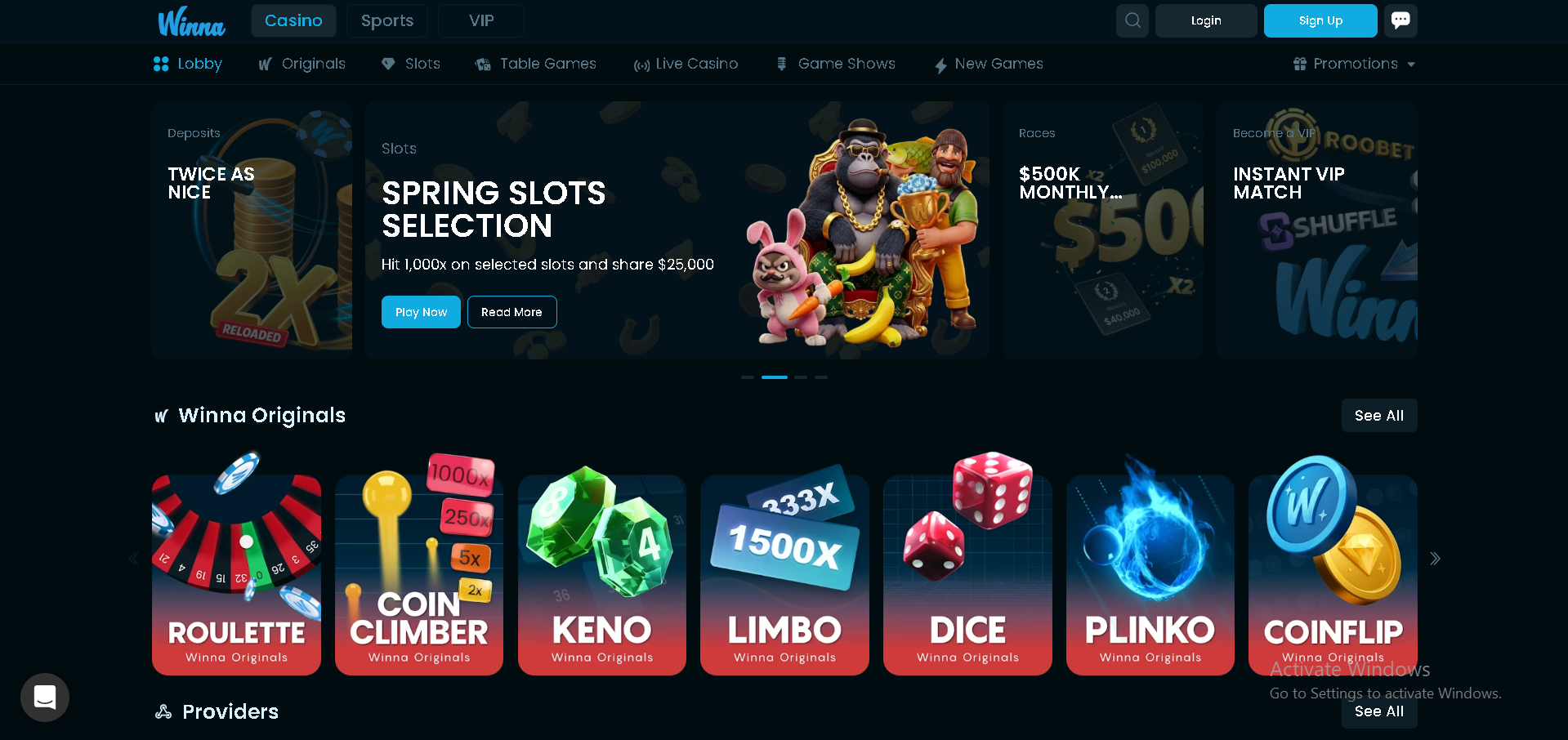
Winna Casino is an online gambling platform built around fast blockchain transactions, provably fair games, and a diverse collection of slots and live dealer titles. Players experience faster deposits, almost instant payouts, and an easy sign-up process. Overall, it appeals to new and experienced players who prefer speed and a user-friendly interface.
- Bitcoin
- Ethereum
-
Tether
9
No result
- English
- Turkish
-
Spanish
5
No result
- New Brunswick (TGC)
- English

Anonymous vs No KYC Sportsbooks: What’s the Difference?
A no-KYC sportsbook doesn’t make you verify your identity, at least for routine betting. An anonymous sportsbook goes further: it keeps your identity and betting activity private across the whole process, from deposit to payout. Every no-KYC site improves your privacy, but not every no-KYC site makes you anonymous.
“No KYC” describes paperwork. You don’t upload a passport, a driver’s license, or proof of address, and nobody asks for your Social Security number. That is the whole promise. Almost every no-KYC sportsbook reserves the right to ask for ID later, typically when you try to withdraw a big win.
Anonymity depends on several layers working together:
- Payment method: Funding with crypto rather than a card or bank transfer removes the direct link to your legal name, since fiat payments run through your bank’s own KYC.
- Coin choice: Privacy coins such as Monero hide amounts and addresses. Bitcoin, Ethereum, and most stablecoins record every transaction on a public ledger.
- Wallet type: A non-custodial wallet keeps your betting funds out of an exchange account that is tied to your ID.
- Network privacy: A VPN or Tor hides your IP address, though many sportsbooks restrict VPN use (more on that below).
- Account details: A dedicated email with no linked social accounts keeps your betting profile separate from your real identity.
- Registration model: Wallet-connect betting dApps and exchanges let you bet without creating an account.
The practical takeaway is that a sportsbook can be KYC-free without you being anonymous. Say you deposit Bitcoin bought on a verified exchange, from your home connection. The sportsbook never sees your ID, but anyone who follows the blockchain can link your bets back to your exchange account. Real anonymity comes from pairing no-verification betting sites with a private coin, a non-custodial wallet, and a separate email. That’s why we score anonymity and KYC handling separately.
The 3 Levels of Anonymity at Crypto Sportsbooks
Anonymous sports betting comes in three levels:
- Wallet-connect betting with no account at all
- No KYC until a trigger is hit
- Standard KYC upfront
Knowing which level a site sits at tells you how private your betting will be, and how likely an ID request is, before you deposit.
Level 1: Wallet-Connect Betting With No Account
Here you skip registration entirely. You connect a wallet such as MetaMask or Phantom to a betting dApp or a peer-to-peer betting exchange, and a smart contract holds your stake until the market settles, then pays out automatically. No email, username, or ID is involved, and the operator can’t refuse to pay because no one approves the settlement. Our guide to crypto sports betting dApps explains how they work.
The trade-offs are real, though:
- Liquidity is often thin, so large stakes can move the price.
- Market menus are smaller than at a full sportsbook, and live betting is limited.
- If a smart contract or results feed fails, there is nobody to complain to.
Wallet-connect prediction markets work similarly. Note that their regulated versions require full identity verification. For more, see our explainer on how Polymarket works.
Level 2: No KYC Until Triggered
Most crypto sportsbooks sit here, including most of the best Bitcoin betting sites. You register with an email and password, deposit crypto, and bet with no ID checks. Smaller withdrawals usually clear unverified. Verification kicks in only if something specific happens, such as:
- A large win
- Cumulative withdrawals passing a threshold
- A flag on your betting pattern or location
Level 2 sites offer the full sportsbook experience: deep markets, live betting, same-game parlays, boosts and bonuses. The privacy is genuine but conditional, so the section on KYC triggers below matters more here than anywhere else.
Level 3: Standard KYC
Some sportsbooks that accept crypto still verify everyone before the first deposit, and state-licensed sportsbooks always do. You provide your name, date of birth and address, and often the last four digits of your Social Security number, then upload ID if the automated check fails. These sites offer the least privacy. Accepting Bitcoin doesn’t make a sportsbook anonymous, so always read the KYC policy rather than assuming.
How to Choose an Anonymous Sportsbook
Choose an anonymous sportsbook by checking its privacy terms first and its betting product second. A site with great odds is little use if it locks your account the first time you try to cash out a big win. These are the factors that matter most, in order:
- Written KYC policy: Look for a clear statement in the terms covering when verification can be requested. Vague wording like “at our discretion” with no examples gives the sportsbook room to ask for ID whenever it likes. A specific, published policy is a good sign.
- Withdrawal thresholds and limits: Check the daily, weekly, and monthly withdrawal caps, as well as any cumulative amount that triggers checks. A site that verifies above a modest threshold may suit casual bettors but not anyone staking big on futures or parlays.
- How it treats winning players: Every sportsbook manages risk, but some cut maximum stakes on winning accounts to almost nothing within weeks. Our guide to how sportsbook betting limits are calculated explains the factors that drive those decisions. Reputation among sharp bettors is the best guide here.
- VPN and location terms: Many sportsbooks void bets or winnings placed from restricted locations or through a VPN. Read this clause before you deposit, especially if you plan to bet live.
- Coin and network support: Privacy-first bettors should look for support for Monero or Litecoin. Stablecoins are useful for longer-term bets. Check which networks each coin runs on (USDT on Tron versus Ethereum, for example), because fees and deposit times differ.
- Odds and margins: Compare prices on markets you actually bet, such as NFL spreads or Premier League totals, across a few sites. Small differences in margin add up quickly over a season.
- Market depth and live betting: Look for broad coverage of the sports you follow, player props, same-game parlays, and a fast live-betting interface with cash out.
- Licensing: Crypto sportsbook licensing is generally lighter than at state-regulated books. Among crypto licenses, Curaçao is the reference point. A valid license carries a green Curaçao Gaming Authority seal that links to a live certificate, and you can check it yourself.
- Reputation and payout record: Years of operation, a consistent record of paying large winners, and how the site resolves disputes tell you more than any marketing claim.
- Bonus terms: Check rollover, minimum odds, maximum cashout, and any clause that lets the site request ID before releasing bonus winnings.
These are the criteria we use to build our rankings, weighted in the same order.
What Triggers KYC at No KYC Sportsbooks?
No KYC sportsbooks usually ask for ID when you withdraw. Typical triggers include:
- A large win or total withdrawals above a threshold
- Cashing out deposits you barely bet
- Betting patterns that look like arbitrage or bonus abuse
- A location or payment mismatch
- A change in the operator’s license
Knowing these triggers is the difference between a smooth cash-out and an account frozen for days.
Large Wins and Big Parlay Payouts
A long-odds parlay or futures bet can turn a small stake into a five-figure payout overnight. Sportsbooks review large withdrawals for anti-money laundering reasons, and a sudden jump in your balance is the most common trigger. Expect at least a source-of-funds question on a life-changing win, even at a site that has never asked for anything before.
Cumulative Withdrawal Thresholds
Many sites track how much you withdraw over time rather than per transaction. Thresholds vary widely and are rarely published. Once your running total passes the line, the next withdrawal goes to manual review. Splitting one large withdrawal into many small ones doesn’t get around this, and it can look like structuring, which tends to make a review more likely.
Withdrawing Without Betting Your Deposit
Most sportsbooks require you to wager your deposit at least once before withdrawing it, and some ask for more. This turnover rule stops people from using a sportsbook to move money. Deposit and withdraw without betting, and you’ll likely face a review or a fee. Read the turnover clause in the banking terms, which is separate from any bonus rollover.
Arbitrage and Sharp Betting Patterns
Betting both sides of a market across sites, consistently beating the closing line, or only betting the moment odds move are all patterns that risk teams watch for. The first response is usually lower limits. Some sportsbooks also use a KYC request to slow or close accounts they don’t want, so your privacy depends partly on not looking like a professional.
Bonus Abuse and Multiple Accounts
Without ID on file, a sportsbook can’t easily tell a new customer from an existing one opening a second account. Things that can trigger verification before bonus winnings are released include:
- Several accounts sharing a device, IP address or withdrawal wallet
- Claiming a welcome bonus and only betting low-risk outcomes
- Hedging a free bet across sites
Location and VPN Flags
Sportsbooks use geolocation and VPN detection, and live betting gets the closest scrutiny because prices change by the second. If your IP jumps between countries, or matches a known VPN server in a restricted area, the site may ask you to verify, or void the bets placed during that session.
Payment Mismatches and Third-Party Funds
Two things that raise flags are:
- Depositing from one wallet and withdrawing to another
- Funding the account from an address linked to a mixer or a sanctioned service
Use a single dedicated wallet for both deposits and withdrawals, and avoid sending funds directly from a mixer.
License and Policy Changes
When a sportsbook takes a new license or updates its compliance rules, it can ask existing customers to verify all at once. Curaçao’s licensing overhaul, which required risk-based checks, is one example. A site’s past no-KYC record doesn’t guarantee future policy, so treat any balance you leave on a sportsbook as exposed to the next update.
How to Keep KYC Off the Table
You can’t remove the risk entirely, but you can shrink it:
- Read the KYC and banking terms before depositing.
- Bet your deposit at least once before withdrawing.
- Withdraw regularly rather than letting a large balance build up.
- Use one wallet throughout.
- Avoid using a VPN where the terms forbid it.
- Make a small test withdrawal before you trust a site with real money.
Best Coins for Anonymous Betting
The best coins for anonymous betting are Monero for maximum privacy, Litecoin for speed and low fees, and stablecoins for bets that stay open for weeks or months. Bitcoin is accepted everywhere but is the least private choice because every transaction sits on a public ledger. Our ranking of the best privacy coins compares the privacy options in more depth.
Monero (XMR)
Monero is the most private coin you can bet with, and the only major coin where privacy is mandatory. Every transaction uses three techniques:
- Ring signatures: hide the sender.
- Stealth addresses: hide the recipient.
- RingCT: conceals the amount.
That leaves no public trail linking your betting account to your wallet. The catch is availability. Fewer sportsbooks accept XMR than Bitcoin, and several exchanges have delisted it, so check the cashier before you commit. The same privacy logic applies at Monero casinos if you also play casino games.
Zcash (ZEC)
Zcash can match Monero’s privacy, but only when you use shielded addresses. These rely on zero-knowledge proofs to hide the sender, the recipient, and the amount. Transparent Zcash addresses work like Bitcoin and are fully traceable. Shielded use has grown fast: roughly 23% of all ZEC sat in shielded addresses by late 2025, up from about 8% at the start of that year. Sportsbook support is still limited, though.
Litecoin (LTC)
Litecoin is the most practical privacy-friendly coin for regular betting. It confirms in minutes, costs pennies to send, and is accepted by almost every crypto sportsbook. Its optional MWEB feature conceals amounts and addresses on transactions that use it. Standard LTC transfers are transparent, and not every sportsbook supports MWEB deposits. For bettors who place lots of small bets and want quick payouts, it’s the easiest balance of speed, cost, and discretion. See our list of Litecoin sportsbooks for sites that support it.
Stablecoins (USDT and USDC)
Stablecoins solve a problem specific to sports betting: volatility on long-dated bets. If you back a team to win the championship months before the final, a Bitcoin stake can lose a big chunk of its value even when your bet wins. Pegging your bankroll to the dollar removes that risk, and it makes tracking profit and loss far easier.
The trade-off is privacy. Tether (USDT) and USDC are fully transparent, and their issuers can freeze addresses. Compare USDT-supported sites across networks in our guide to Tether sportsbooks.
Bitcoin, Ethereum and Popular Altcoins
Bitcoin and Ethereum are accepted almost everywhere, but they are pseudonymous rather than private. Anyone with your wallet address can see your deposit and withdrawal history, and chain-analysis firms routinely link addresses to exchange accounts. Bitcoin’s Lightning Network moves payments off-chain and makes them harder to trace, but sportsbook support remains patchy.
Popular altcoins and meme coins such as Dogecoin are widely accepted and cheap to move, but just as transparent as Bitcoin. Our guide to Dogecoin sportsbooks covers the betting side. If you also play casino games, see our lists of memecoin casinos and altcoin casinos.
Choose the Right Network
Picking the wrong network is one of the most common, and most expensive, crypto betting mistakes:
- USDT: runs on several blockchains, including Ethereum (ERC-20) and Tron (TRC-20). Sending on a network the cashier doesn’t support can mean losing the funds or waiting days for a manual recovery.
- XRP: deposits usually need a destination tag. Leave it out and your deposit may not be credited.
- Fees: Ethereum fees can make small deposits uneconomical, while Tron, Litecoin and Solana keep costs low.
Always match the coin, the network, and any memo or tag exactly to what the cashier shows.
How to Sign Up and Bet Anonymously
You can sign up and bet anonymously in eight steps, from picking a no KYC sportsbook to withdrawing to your own wallet. At a genuinely no-verification site, the whole process takes minutes and never asks for ID.
- Choose a no-KYC sportsbook: Pick a site from our list above and open it using the “Go To Site” button to qualify for the best available welcome offer. Read its KYC, banking, and VPN terms before going further.
- Set up a non-custodial wallet: Create a wallet you control, and use it only for betting. Our picks of the best anonymous crypto wallets compare options with built-in privacy features.
- Get your crypto privately: Buying straight from an exchange linked to your bank creates a clear trail. No-KYC crypto exchanges let you buy or swap without uploading ID, and swapping into Monero or Litecoin adds another layer.
- Register with a dedicated email: Enter only what the form requires, usually an email and a password. Use an address you don’t use anywhere else, and never sign in with a social account.
- Deposit on the right network: Pick your coin in the cashier, confirm the network, copy the deposit address (and any tag or memo), and send from your betting wallet.
- Decide on the bonus: Claim a welcome offer only if its terms don’t require verification before you can withdraw winnings from it. Otherwise skip it.
- Place your bets: Bet at least once with your full deposit, which covers most turnover rules. Avoid patterns that look like arbitrage if you want your account to stay low-profile.
- Withdraw to the same wallet: Return to the cashier, choose your coin, paste the wallet address you deposited from, and confirm.
How to Withdraw From a No KYC Sportsbook Without Verification
You withdraw from a no KYC sportsbook without verification by requesting a crypto payout to your own wallet and staying under the site’s turnover rules and withdrawal thresholds. Top sites approve payouts automatically, and the funds arrive as fast as the blockchain confirms them.
It helps to separate two stages:
- Approval: how long the sportsbook takes to release your payout. It can be instant if the system is automated, or hours or days if a person reviews it.
- Settlement: how long the blockchain takes once the funds are sent. That ranges from seconds on Tron, Solana, or XRP, to minutes on Litecoin, to anywhere from ten minutes to an hour or more on Bitcoin when the network is busy.
A slow payout is nearly always an approval problem, not a blockchain one. If speed is your priority, look for sites with instant withdrawals and automated approval.
To keep withdrawals clear of ID checks:
- Make sure your deposit has been wagered at least once.
- Check the per-transaction and rolling withdrawal limits before you request a payout.
- Withdraw winnings regularly rather than letting a big balance build up.
- Make a small test withdrawal on any new site before depositing serious money, so you see the real approval time for yourself.
Some delays are legitimate: a first-withdrawal review, network congestion, or a payout over a stated limit. Others are red flags:
- A request stuck on “pending” with no explanation
- Limits changed after a big win
- A sudden account review that only appears when you’re up
- Any demand to pay a fee or make another deposit to release your funds
Legitimate sportsbooks never charge you to access your own winnings.
Bonuses at No KYC Sportsbooks
Most no-KYC sportsbooks offer bonuses, but privacy affects how they work. Without ID on file, a sportsbook has fewer ways to stop people from claiming the same offer twice. Some respond by capping welcome offers or adding verification clauses, and others lean on rakeback and cashback instead. Bonuses are one of the most common reasons a no-KYC site asks for ID, so the type of offer matters as much as its size.
- Deposit match bonuses: The standard welcome offer. Matches at crypto sportsbooks often carry a rollover requirement of several times the bonus at minimum odds, and large packages are the offers most likely to require an ID check before withdrawal.
- Free bets: Usually only the winnings are paid, not the stake, and minimum odds often apply. Free bets used to hedge across sites are a classic bonus-abuse flag.
- Odds boosts and profit boosts: The most privacy-friendly promotion, because the extra value is built into the price, with no rollover and no claim process that puts your account under review.
- Rakeback and cashback: These return a share of your stakes or net losses, often with light or no wagering. They reward ongoing betting rather than new sign-ups, so they rarely prompt extra checks.
- Reloads and VIP rewards: Tied to your account activity rather than your identity. Higher VIP tiers often bring larger withdrawal limits and faster approvals, which are worth more at a no-KYC site than a one-off match.
Before claiming anything, read the bonus terms for a verification clause, alongside rollover, minimum odds, maximum stake, maximum cashout and expiry. If the terms say the sportsbook can request ID before paying out bonus winnings, assume it will. To compare current offers, see our guide to crypto betting bonuses and promotions.
Risks and Red Flags at Anonymous Betting Sites
The biggest risk at an anonymous betting site is assuming “no KYC” means untraceable and unconditional. The specific risks covered below are:
- Coins that leave a public trail
- Surprise ID checks after a big win
- Voided bets
- VPN use that cancels live wagers
- Stored data that can leak
- Tax reporting that is tightening above the sportsbook
- Losing the protections regulated betting provides
“No KYC” Doesn’t Mean Untraceable
Crypto is pseudonymous, not anonymous. Every Bitcoin, Ethereum, or stablecoin transfer is permanently visible on-chain, and analysis tools group related addresses to link activity to a person. The sportsbook also logs your IP address, device fingerprint, email, and every bet you place, even if it never asks for ID. Anonymity usually breaks at cash-out, when your winnings land on an exchange that knows your name.
Surprise KYC After a Big Win
The most common complaint goes like this: the site takes deposits and bets with no questions asked, then demands ID the moment you try to withdraw a big parlay win, freezing the balance for 24 to 48 hours or longer while it “reviews” the account. It’s usually allowed under the terms, but it defeats the purpose of choosing the site. Check the KYC policy and withdrawal limits before depositing, and treat any sportsbook you haven’t successfully withdrawn from as unproven.
Voided Bets and Palpable Errors
Sportsbook terms let the operator void bets placed at “palpable error” odds, meaning prices that were obviously wrong, and settle disputed markets on its own reading of the rules. At a state-licensed book, a regulator can review the decision. At an offshore no-KYC site, the operator’s decision is usually final. Take screenshots of your bet slips and the relevant terms, especially for boosted or unusually generous prices.
VPNs Can Void Live Bets and Winnings
A VPN hides your IP, but many sportsbooks forbid using one to get around location restrictions. Their terms allow them to void bets, confiscate winnings or demand verification if they detect one. Live betting is the most exposed, because geolocation checks run continuously while prices move. Some sites are openly VPN-friendly and say so in their terms. If yours doesn’t, don’t assume a VPN is safe.
Your Data Can Still Leak
A no-KYC sportsbook is not a no-data sportsbook. It stores your email, IP history, wallet addresses, and betting records, and that information is only as safe as the operator’s security. A leak of more than 96 million user records from a crypto-friendly betting platform, first reported in late 2024 and confirmed by Have I Been Pwned in 2025, exposed emails, phone numbers, IP addresses, and locations. Use a dedicated email, favor established sites with a clean security record, and assume anything you give a sportsbook could one day become public.
Tax Reporting Is Tightening Above the Sportsbook
The privacy squeeze increasingly happens at the exchange, not the sportsbook:
- In the US, crypto brokers now report customers’ sales to the IRS on Form 1099-DA.
- The OECD’s Crypto-Asset Reporting Framework (CARF) and the EU’s DAC8 require exchanges to collect identity data and share it with tax authorities.
The offshore sportsbook may never learn your name, but the exchange where you cash out already knows it.
You Lose the Safety Nets
Without verified identity, the tools regulated betting relies on stop working:
- There is usually no cross-site self-exclusion.
- Deposit limits are easy to get around with a second account.
- If a sportsbook refuses to pay, there is no regulator to take your complaint to.
Your protection comes from the site’s reputation and payout record rather than its license. That’s why a long track record of paying large winners counts for so much in our rankings.
Anonymous vs Traditional Sportsbooks
Anonymous crypto sportsbooks trade regulatory protection for privacy and speed. Here’s how they compare with state-licensed sportsbooks on the points that matter most:
| Feature | Anonymous Crypto Sportsbooks | Traditional Licensed Sportsbooks |
|---|---|---|
| Sign-Up Details | Email and password; sometimes just a wallet connection | Full name, address, date of birth, and SSN digits |
| ID Checks | Usually only after a trigger, such as a large withdrawal | Required before your first deposit |
| Payment Methods | Crypto, including privacy coins and stablecoins at some sites | Cards, bank transfers, PayPal and other e-wallets |
| Withdrawal Speed | Minutes to a few hours once approved | Hours to several business days |
| Limits on Winning Players | Common; varies widely by site | Common; stake limits on winning accounts are widespread |
| Bonuses | Rakeback, cashback, boosts and crypto deposit matches | Bet credits and deposit matches, regulated by each state |
| Licensing and Disputes | Offshore license (Curaçao is the reference point) or none; limited recourse | State regulator oversight and a formal complaints process |
| Responsible Gambling Tools | Site-level limits only; self-exclusion is hard to enforce | Mandatory limits and state self-exclusion programs |
| Tax Reporting | No reporting by the sportsbook; exchanges still report your crypto sales | Sportsbooks report qualifying wins to tax authorities |
Are Anonymous Betting Sites Legal?
Whether anonymous betting sites are legal depends on where you live, and on whether the law targets the operator or the bettor. Most anonymous crypto sportsbooks hold an offshore license, commonly from Curaçao, and operate outside the regulated markets they accept bettors from.
In the US, sports betting is legal in most states, but only through state-licensed operators that must verify every customer. Kentucky’s rules, for example, require a sportsbook to collect a bettor’s full name, date of birth, and the last four digits of their Social Security number. No state licenses offshore crypto sportsbooks. Enforcement has historically focused on operators rather than individual bettors, but that doesn’t make offshore betting legal, and you lose the consumer protections a state license provides. Other jurisdictions range from fully open to completely prohibited.
Check your local laws before you sign up, and respect a sportsbook’s own restricted-location terms rather than working around them. For a fuller breakdown, see our guide on whether betting on sports with crypto is legal.
Bet Responsibly at Anonymous Sportsbooks
Betting responsibly is harder at anonymous sportsbooks, for three reasons:
- Deposits are instant.
- Live markets run around the clock.
- Self-exclusion is hard to enforce without verified identity.
Treat privacy as no substitute for control, and set your limits before your first bet, not after a losing run.
Practical habits make the biggest difference:
- Set a fixed bankroll and a maximum stake per bet.
- Use any deposit, loss, and time limits the site offers.
- Avoid chasing losses with bigger parlays.
- Keep live betting for games you’d watch anyway.
- Never bet when stressed, angry or under the influence.
Our responsible gambling guide covers tools and warning signs in more detail. If betting stops being fun, free and confidential support is available from:
- The National Council on Problem Gambling (1-800-GAMBLER)
- Gamblers Anonymous
- Gambling Therapy
The Bottom Line on Anonymous Crypto Betting Sites
The best anonymous betting sites let you bet on sports with crypto and minimal personal data. “No KYC” almost always means no verification for routine betting, not never. Big wins, fast withdrawals of unbet deposits, VPN use, and bonus claims are the usual triggers. How private you really are depends as much on your coin, wallet, and habits as on the sportsbook.
Start with the privacy terms, not the welcome offer. Then:
- Pick a site with a clear KYC policy and a long record of paying winners.
- Fund it from a dedicated non-custodial wallet, using Monero or Litecoin whenever possible.
- Bet your deposit through, and make a small test withdrawal before trusting it with more.
Vave currently leads our rankings, and the list at the top of this page shows every sportsbook that scored highest for privacy, KYC handling, payout speed, and odds. If you also play casino games, our guide to anonymous crypto casinos applies the same tests, and our Bitcoin gambling hub covers every crypto gambling category.
FAQs
Do anonymous betting sites ask for a Social Security number?
No. Anonymous and no-KYC sportsbooks don’t ask for a Social Security number at sign-up, and they don’t report your winnings to the IRS. State-licensed US sportsbooks do ask, usually for the last four digits, because they’re required to verify your identity and report qualifying wins. If a crypto sportsbook does ask for your SSN, it’s running full KYC and isn’t anonymous.
Are there sports betting apps that don't require ID?
Not in the App Store or on Google Play, in most cases. Apple and Google only allow real-money betting apps from operators licensed in the locations where the app is used, and those operators must verify every customer. No KYC sportsbooks get around this with mobile-optimized websites, and many let you install the site as a web app on your home screen. It works like an app, with no store download and no ID. See our guide to crypto betting apps for more.
How long does verification take if a no KYC sportsbook asks for ID?
Anywhere from a few minutes, when the sportsbook uses automated ID checks, to 24 to 48 hours when documents are reviewed manually. Source-of-funds requests following a large win can take longer, especially if the site requests exchange statements or transaction history. Your withdrawal is usually on hold until the check clears, so upload clear, current documents and ask support exactly what’s still outstanding if it stalls.
Do I have to pay tax on winnings from an anonymous betting site?
Yes, if your country taxes gambling winnings. Betting at a no-KYC sportsbook doesn’t change what you owe, even if the site never reports anything.
- In the US, sports betting winnings are taxable whether they’re paid in dollars or crypto.
- From the 2026 tax year, only 90% of gambling losses can be deducted against them. A bill to restore the full deduction has advanced in Congress but hasn’t become law.
- US crypto brokers report your sales to the IRS on Form 1099-DA, so winnings you cash out through an exchange can still be linked to you.
Keep a record of every deposit, bet, and withdrawal, and check with a tax professional if you’re unsure.


