

Bitcoin touched a fresh five-month low as it slipped under $100000 in mid-November, a move that halted the momentum seen through late summer. The slide followed a 21% retreat from the recent record level and expectedly drew attention from the market.
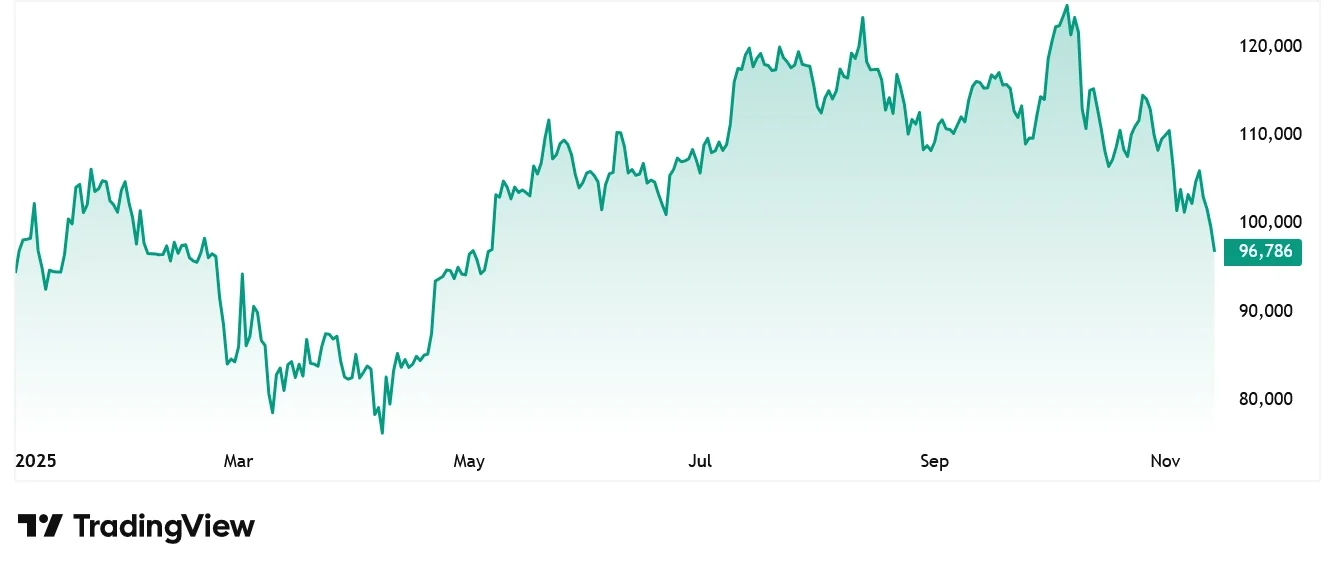
The slide arrived during a period when some institutions continued to build their BTC positions, yet the broader picture leaned toward caution. ETF prints, data delays, and concentrated activity among major holders shaped a moment that felt tense for traders watching order books move in short bursts.
Record Outflows From Institutional Products
Data from SoSoValue reveals how spot products linked to Bitcoin recorded more than $1.3 billion in outflows since late October. BlackRock’s IBIT and Fidelity’s FBTC produced the heaviest moves, with IBIT turning into a $562 million net outflow for November. Large BTC treasuries, including MicroStrategy, slowed their previous pace of accumulation as margin conditions tightened and balance sheets faced new questions.
Macro Conditions Add Fresh Tension
A United States government shutdown created a wait for October CPI data. The pause in releases limited visibility across markets and encouraged a conservative tone across rates, equities, and digital assets. Hawkish Federal Reserve messages and a firm United States dollar added pressure through global risk channels.
Macro strategist Ted Pillows noted that liquidity stayed tight even after rate cuts. He added that sentiment carried a soft tone during the wait for stronger confirmation of domestic growth. Each data point held extra weight during the seasonal transition, and traders moved with care while they tracked signals across Treasury markets.
Whale Selling And Liquidations Shape Price Action
Long-term holders sent roughly 815000 BTC to exchanges during the past month. This was the strongest movement from older wallets since early 2024. A handful of early-era addresses moved more than $245 million to trading venues, which contributed to liquidations totaling $700 million in long positions. Open interest across major derivatives platforms dropped by more than $9 billion as the market reset.
The selling from early adopters drew close attention due to its scale and timing. Their activity triggered a chain of liquidations that cleared leveraged positions and reduced liquidity across order books.
Why The Pullback Carries Weight
Sentiment readings captured the tone of traders who monitored each leg of the decline. The Fear and Greed gauge reached 21, reflecting deep caution across the digital asset community. Even with that reading, several influential voices urged calm interpretation of present conditions.
Michael Saylor continued his steady pattern of accumulation, and veteran analyst TonyTheBullCMT pointed to historical periods when weekly signals prompted extended drawdowns.
Bitcoin now sits at a point where the data tells a very clear story. Heavy exits from major funds, tight policy signals, and concentrated selling from large holders pulled the market into a reset that traders can actually measure. With open interest trimmed and leverage cleared out, the setup looks different from the environment that carried prices through the summer.
From here, the next moves hinge on fresh economic releases, ETF flow numbers, and any activity from larger crypto wallets. Each piece will shape how traders read the market in the days ahead. For now, the picture is simple. The drop reflects a system adjusting to new information, and that adjustment gives everyone a cleaner view of what may build next.