
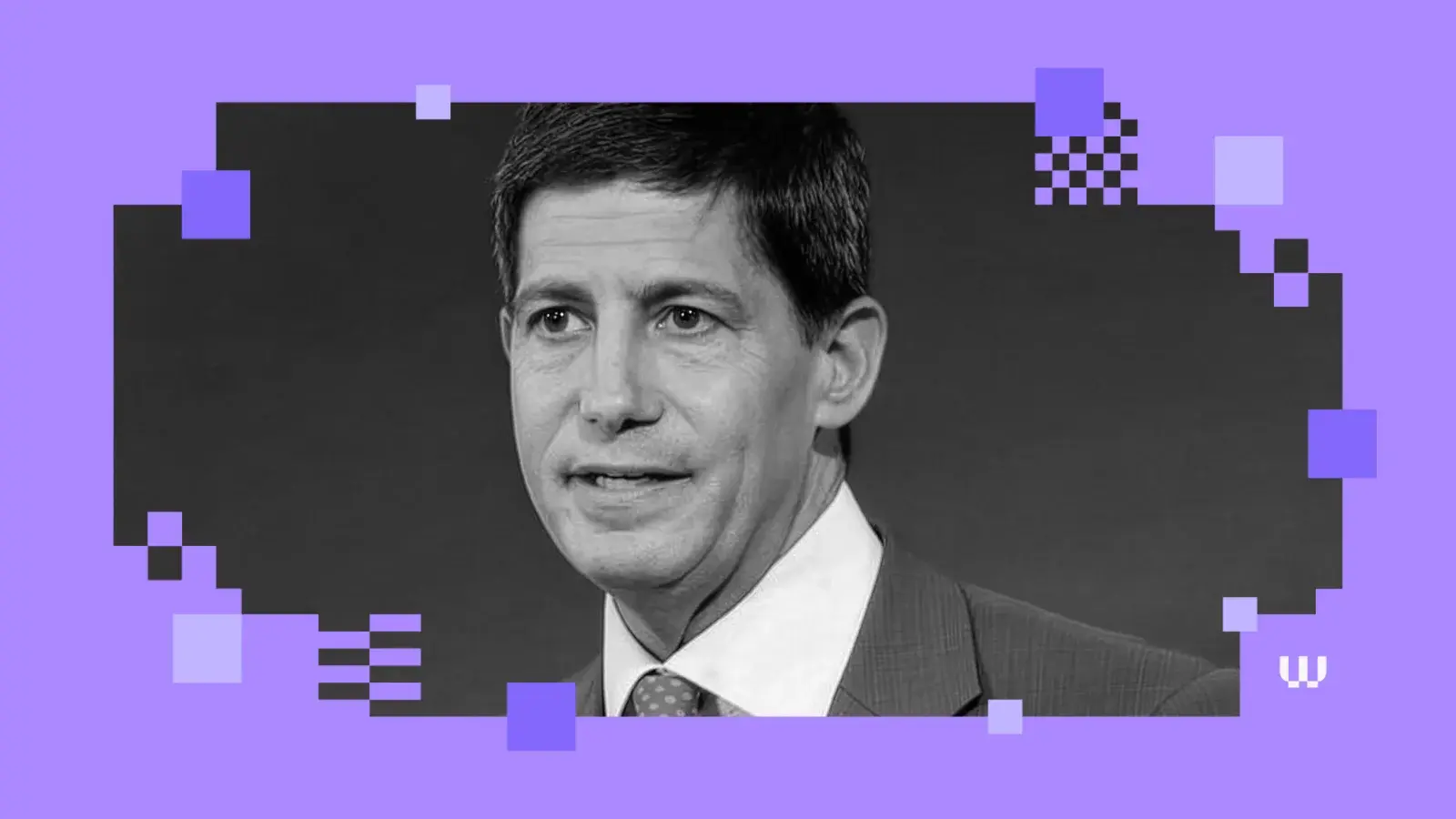
President Donald Trump has officially nominated former Federal Reserve Governor Kevin Warsh to lead the American central bank. This decision terminates a period of public speculation and brings a conclusion to the escalating hostilities between the White House and outgoing Chair Jerome Powell. The transition arrives at a moment of institutional friction following months of disputes regarding interest rate paths and a widely publicized data scandal involving the Bureau of Labor Statistics.
Tensions between the administration and leadership finally boiled over following a significant correction to employment figures last August. The data revealed a softer US labor market than initially portrayed, fueling the President’s argument that monetary easing was long overdue. While the current Chair maintained that his team could not have anticipated the data errors, the fallout provided the political momentum for a leadership change.
Why Has Trump Chosen Warsh?
Warsh’s selection sends a message: they want a candidate with serious institutional experience who is still willing to challenge how things are done. He’s known in political and financial circles, famously serving as the bank’s youngest governor when he started at age 35. He previously sought this exact role in 2017, though the President ultimately selected Jerome Powell during his first term after advisers suggested a more conventional path for the markets.
Selecting him now highlights a desire for what the President describes as a leader from central casting who possesses a sophisticated understanding of capital markets. During his tenure under George W. Bush, he acted as a primary liaison to the financial sector during the 2008 crisis. His return to the Eccles Building follows years of vocal criticism directed at the bloated balance sheet and the perceived errors of the current administration.
Warsh’s Stance on Interest Rates
Investors are digging through his old statements to figure out just how fast rates might drop. Even though Warsh had a reputation as a hawk back when he was on the board, his recent talk has shifted; he sounds much more focused now on easing policy to keep the economy moving. Warsh argued on television that there is substantial room to reduce rates significantly if the regulatory environment remains supportive.
Warsh is still a major critic of the post-crisis money printing spree. He pushes for a stripped-down approach, arguing the bank should focus strictly on its dual mandate, jobs and prices, and avoid any entanglement with politics or social engineering. This perspective suggests that while he may favor lower rates in the short term, he will probably push to reduce the overall presence of the bank in the bond markets.
New Fed Chair Attitude Towards Crypto
The nomination has produced immediate ripples across global asset classes as traders recalibrate for a new regime. As gold slid 5% and the dollar strengthened, attention turned to his mixed record on digital currencies – he likes the idea of a digital dollar but remains skeptical of volatile tokens. The bigger question for Congress is independence.
Warsh might be a critic of the bank, but he’s also an insider, which likely means we won’t see any radical overnight changes. Indeed, the coming months will test whether he can maintain the delicate balance between his new boss and the objective needs of the US economy.
Markets Response to Warsh’s Appointment
Kevin Warsh’s nomination triggered mild volatility across financial markets. The US dollar strengthened initially, with the index up around 0.35-0.4%, before trimming some gains. The broader stock market opened lower amid the news, reflecting unease over potential policy shifts. Overall reactions remained contained, with traders viewing Warsh as a hawkish yet relatively market-friendly choice unlikely to prompt aggressive rate changes soon.