

Key Takeaways
- The harshest Bitcoin critic voices shape ongoing debate as skepticism rises from long study of monetary systems, market behavior, and structural economic limits.
- Public statements from influential figures highlight concerns around price instability, limited payment use, and the challenges tied to digital scarcity narratives.
- Major institutions linked to these figures examine blockchain tools and tokenized systems while keeping a distance from Bitcoin as an investable asset.
- These positions influence wider discussion, shaping how financial communities interpret digital value, long-term risk, and the shifting relationship between money and technology.
There’s often a debate concerning Bitcoin in various spaces, with two divided sides on the basis of Bitcoin’s contribution to the world. The first cryptocurrency has inspired fervent believers who celebrate each new price milestone, while others watch the market with intense skepticism, often discrediting its long-term potential.
One of the highlights of this divide came in late 2025, when Peter Schiff challenged Michael Saylor to a public debate on Michael Saylor’s (Bitcoin) Strategy.
This article examines ten of the harshest Bitcoin critics, their views, and the ways their professional activities align with or diverge from their public statements.
9 Harshest Bitcoin Critics
These critics share a consistent theme: they question Bitcoin’s purpose, value, or stability.
Peter Schiff – Economist and Gold Advocate
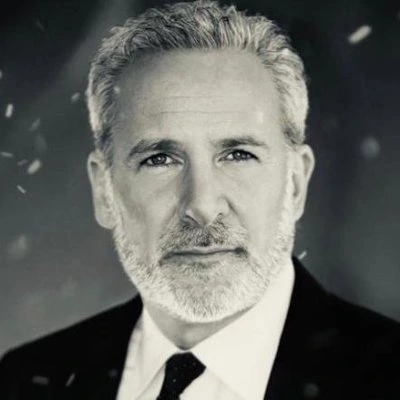
“Unlike gold, which has intrinsic worth as a useful metal with unique properties, Bitcoin relies purely on confidence and belief… Bitcoin’s fatal flaw is that it can never truly be a store of value because ‘it doesn’t have any value that it can store.'” – Peter Schiff
A staunch supporter of Austrian economics and the gold standard, Peter Schiff evaluates Bitcoin against the tangible value of metals.
Schiff describes Bitcoin as digital fiat with no intrinsic value, backed only by collective belief. He argues that Bitcoin’s price comes from expectations of selling to someone else at a higher level, which he frames as a pyramid-like structure.
His business reflects these convictions. Schiff heads SchiffGold, formerly Euro Pacific Precious Metals, which sells physical gold and silver as secure stores of value. The company occasionally accepts Bitcoin as payment through third-party processors like BitPay, converting crypto into physical precious metals. This interaction allows SchiffGold to indirectly benefit from the Bitcoin market while continuing to advocate for gold as the superior investment.
Warren Buffett – Investor And Berkshire Hathaway Leader
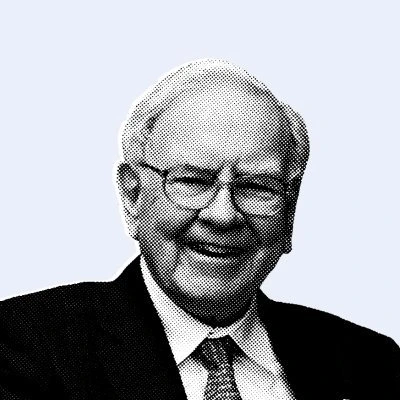
“It is probably rat poison squared.” – Warren Buffet
The chair of Berkshire Hathaway became a global reference point for disciplined value investing. His approach favors productive assets such as businesses with strong cash flows, brand strength, and durable competitive advantages.
Bitcoin never fit easily into that framework. Buffett describes it as a nonproductive asset that does not generate earnings, interest, or rent. From his perspective, Bitcoin ownership relies on future buyers with higher bids rather than underlying cash flows. He has also compared Bitcoin to speculative tokens that attracted attention during previous bubbles. Those views remained consistent through major bull markets and price rallies.
Berkshire’s portfolio shows very limited crypto exposure. The company invested in Nubank, a Latin American digital bank that later expanded crypto features for customers. That investment targeted financial services growth and not token holdings on Berkshire’s balance sheet. The conglomerate does not report direct Bitcoin positions, custody operations, or mining investments. Buffett’s comments and corporate actions align closely, which keeps his stance simple to interpret.
Jamie Dimon – Chief Executive Of JPMorgan Chase
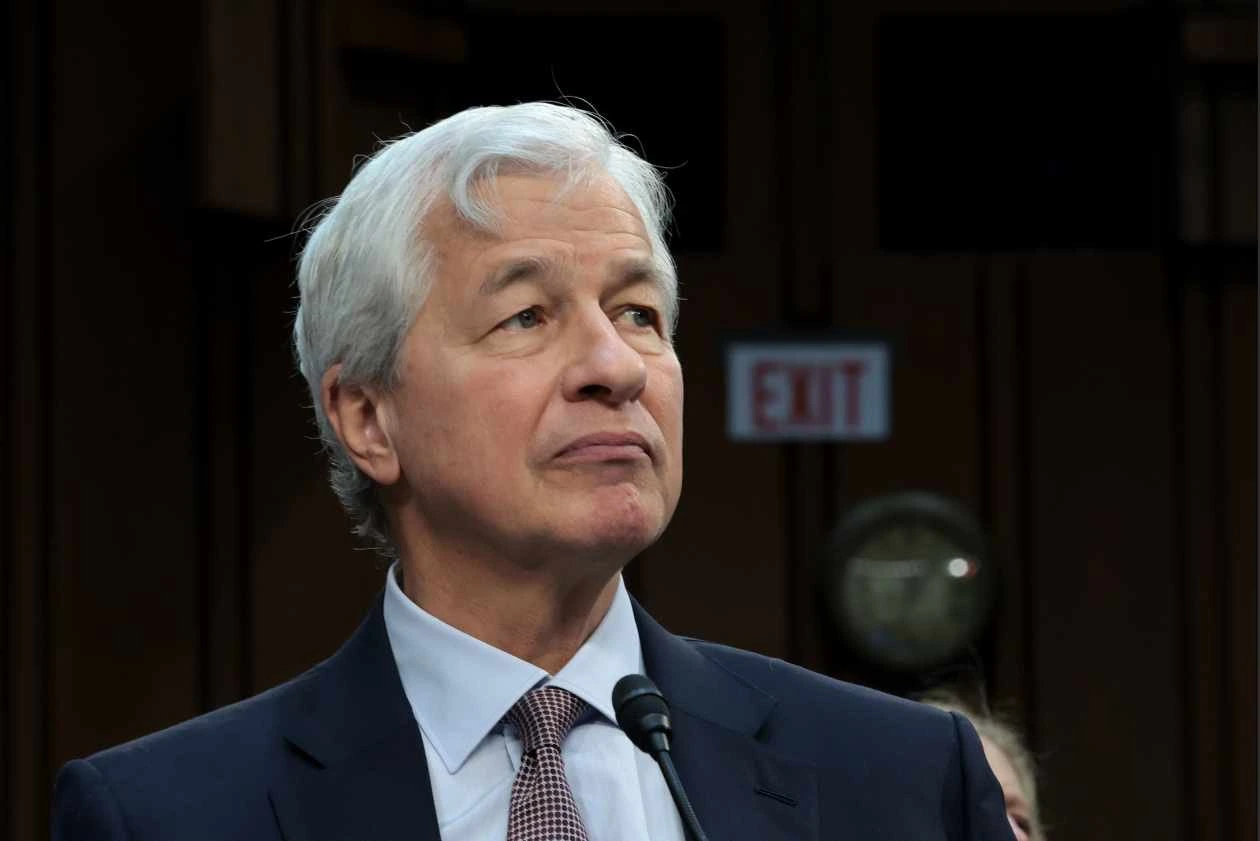
“Bitcoin is a fraud. It will blow up.” – Jamie Dimon
His comments on Bitcoin focus on safety, oversight, and client protection. He often states that Bitcoin does not behave like a traditional currency and that it creates challenges for regulators who monitor financial systems. Dimon explains that the asset can move through markets in ways that feel unpredictable.
JPMorgan Chase invests in research around distributed ledgers and builds payment tools that rely on secure digital records. The bank created JPM Coin, which helps corporate clients move funds during settlement processes. These projects show that the institution studies digital networks in a serious way. Dimon’s personal comments about Bitcoin remain separate from the bank’s exploration of these technologies.
Paul Krugman – Economist And Commentator
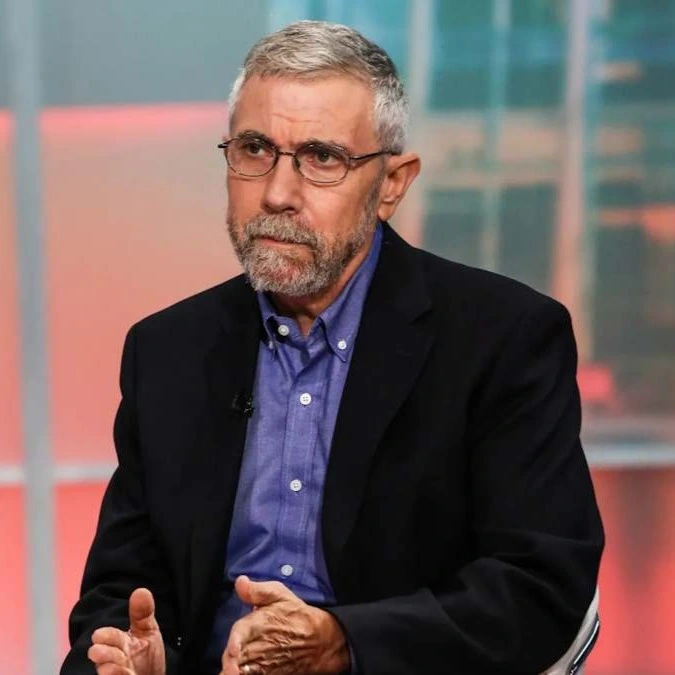
“No.” – Paul Krugman
This single-word response from Paul Krugman came after a reporter asked whether a sharp rise in Bitcoin’s price made sense. The short reply captured his perspective with remarkable clarity. Krugman won the Nobel Prize for Economics and built a long career studying trade, policy, and financial behavior.
Krugman focuses on Bitcoin’s role in the broader economic system and emphasizes the speculative nature of digital currencies. He has repeatedly warned that Bitcoin operates like a bubble, lacking intrinsic value or reliable store-of-value characteristics.
Public filings and research do not show direct Bitcoin holdings for Krugman or institutional products operated under his name. His reach flows through writing, teaching, and public speaking rather than investment firms. That position keeps his relationship with Bitcoin mostly intellectual. His skepticism lives in essays and commentary instead of trade disclosures or fund prospectuses.
Nouriel Roubini – Economist And Author

“Bitcoin is the mother of all bubbles.” – Nouriel Roubini
Nouriel earned recognition for early warnings about the global financial crisis, and many people refer to him when they seek strong commentary about markets. Roubini delivers his views with steady emphasis, and his critique of Bitcoin takes a similar shape.
The professor referred to Bitcoin as a “textbook case of speculative excess” and cited the dramatic swings in the price of Bitcoin and how the price surges are similar to times in the past when assets traded far above any rational valuation.
Roubini is extremely bearish on crypto, but he was an early backer of a digital-asset project because he co-founded Atlas Capital Team and the ACT token, which is tied to a diversified basket of assets, including sovereign bonds, real estate, and commodities, with an AI-driven allocation strategy designed to hedge inflation and broader macroeconomic risks. However, others have noted that the ACT token structure is similar to stablecoins like Tether, which Roubini has criticized repeatedly.
Joseph Stiglitz – Nobel Prize Winning Economist

“So it seems to me it [Bitcoin] ought to be outlawed.” – Joseph Stiglitz
This dramatic phrase was used during an interview where Stiglitz described his concerns about digital assets. He links Bitcoin with regulatory concerns, arguing that cryptocurrencies create channels for tax evasion, capital flight, and unlawful transactions.
Those concerns connect directly with his work on transparency and institutional trust. He sees limited economic benefit from private digital currencies when weighed against those risks. In his analysis, digital payments operated inside regulated frameworks provide better outcomes.
Stiglitz does not operate a financial business that invests in Bitcoin. His professional activity remains focused on research, teaching, and commentary. His critique highlights policy questions rather than trading decisions.
Bill Gates – Technologist And Philanthropist
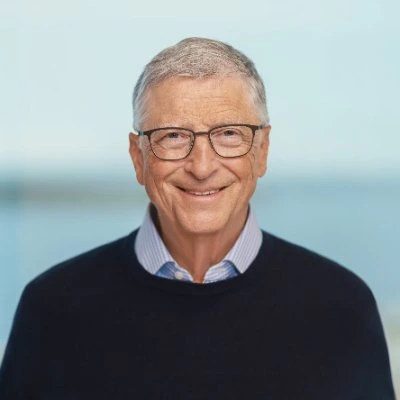
“As an asset class, it’s 100% based on the greater fool theory—that somebody’s going to pay more for it than I do.” – Bill Gates
Bill Gates shared this comment during a discussion about digital tokens. For someone who built his career designing software and leading tech teams, the statement was harsh. But what was his perspective?
Gates focuses on practicality. He explained that he avoids Bitcoin because he prefers investments that produce goods or services. He highlights environmental (he’s also a climate champion) and consumer concerns and points to a need for strong technology design when people handle money online.
Microsoft invested in research that studies distributed networks, identity systems, and cloud security. These efforts reflect broad curiosity about technical development. Gates does not personally trade Bitcoin based on public statements. His remarks show a clear separation between his personal investment choices and broader research inside the company he founded.
Elizabeth Warren – United States Senator
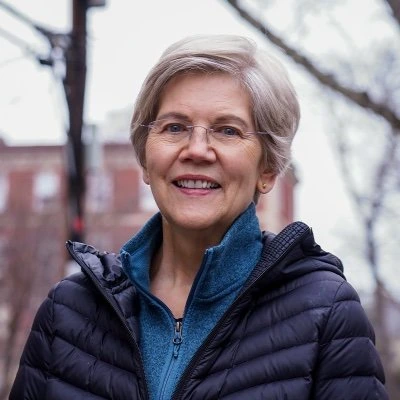
“If the SEC is going to let crypto burrow even deeper into our financial system, then it’s more urgent than ever that crypto follow basic anti-money laundering rules.” – Elizabeth Warren
The US senator has shared this view while speaking about ETFs connected to Bitcoin. Her background spans law, public service, and consumer protection. She built a public identity centered on financial fairness and transparency.
Warren explained that she wants strong oversight for digital financial products. She describes scenarios where investors need clear safeguards. She often places Bitcoin within broader conversations about compliance and consumer safety.
As an elected official, Warren does not operate a Bitcoin trading business. Her work involves legislative duties, public communication, and policy design.
Christine Lagarde – President Of The European Central Bank
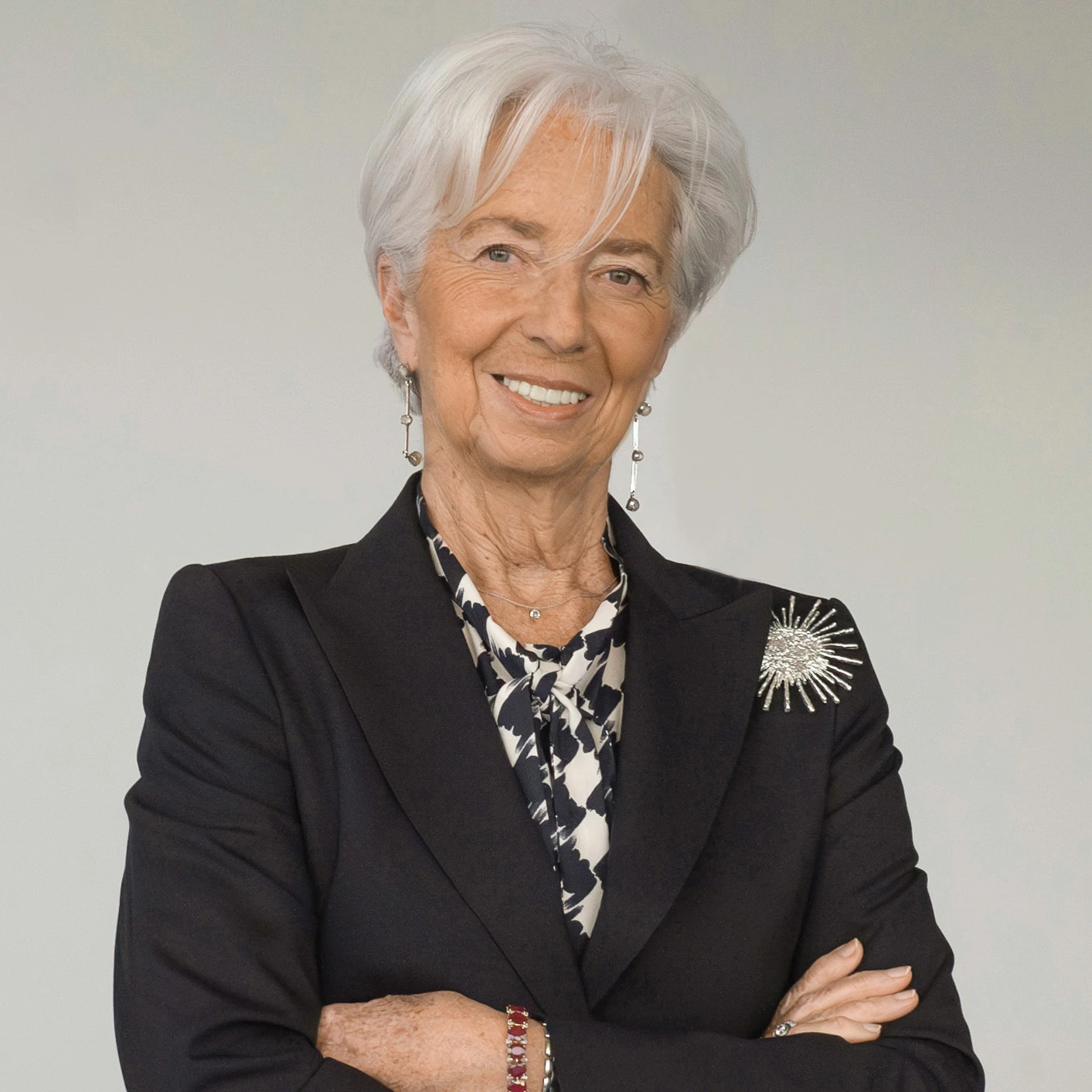
“[Bitcoin is a] highly speculative asset which has conducted some funny business and some interesting and totally reprehensible money laundering activity” – Christine Lagarde
Lagarde often describes Bitcoin as a speculative digital asset. Her remarks underline concerns about market manipulation, risky leverage, and use in criminal activity.
Under her leadership, the ECB developed the digital euro project, which studies a possible central bank digital currency with consumer use cases. The institution does not hold Bitcoin as a reserve asset and does not promote it as legal tender or a medium of exchange. European banks supervised by the ECB face strict capital and risk treatment rules for crypto holdings. Lagarde’s public stance and policy agenda remain tightly aligned, with priority on regulated digital money instead of open cryptocurrencies.
Closing Thoughts
Public debate around Bitcoin grows louder whenever influential figures challenge its purpose, stability, or long-term value. Critics highlighted in this list shape that debate with clear arguments grounded in long experience with markets, policy, and economic behavior.
Each statement adds weight to conversations about speculation, transparency, and responsible innovation. Strong opposition from high-profile leaders also pushes developers, investors, and institutions to refine ideas, strengthen systems, and confront weak points.
Understanding these arguments helps readers approach digital assets with awareness, curiosity, and a steady sense of what shapes financial progress.