

Key Takeaways
- Eleven countries run government-backed Bitcoin mining to manage energy, diversify reserves, and create new economic opportunities for communities and industries.
- Bhutan, Iran, Russia, and the UAE lead in state mining capacity, using cheap or renewable power to generate substantial digital reserves.
- Nations like El Salvador, Oman, and Ethiopia integrate mining into energy infrastructure, turning surplus or untapped resources into strategic Bitcoin assets.
- Profitable state mining depends on energy costs, efficiency, and Bitcoin value, with governments holding reserves and piloting innovative, regulated operations.
Bitcoin mining used to be a story about private operators chasing the cheapest kilowatt-hour. It still is, mostly — but a growing list of national governments have started running mining programmes of their own, for reasons that have nothing to do with quarterly margins. Bhutan parlays hydro surplus into a sovereign BTC position. El Salvador mines off geothermal at scale. Japan’s public-sector entry signals that even an industrial economy with no power glut sees strategic value in being on the network. The eleven countries below cover the full spectrum of motives — grid balancing, reserve diversification, sanctions hedging, geopolitical positioning — with what each programme is actually doing and how far along it is.
11 Countries With Government-Backed Bitcoin Mining
Below are the governments backing Bitcoin mining:
1. United States

The US does not directly run national Bitcoin mines, but several state and federal programs support public-private partnerships. Texas, Kentucky, and North Dakota have led initiatives offering tax incentives and grid access for industrial-scale miners.
Following the Treasury Department’s digital asset executive order, parts of the government began researching strategic Bitcoin reserves through energy surplus programs. Federal agencies, including the Department of Energy, have cooperated with mining firms to stabilize power grids during peak hours.
Government data shows that in 2023, US cryptocurrency mining operations used an estimated 10,275 MW (10.275 GW) of maximum power capacity across identified sites. Many of these operations are clustered in states like Texas, Georgia, and New York, driven by cheap electricity, deregulated power markets, and industrial hosting.
The US currently contributes over 35% of global Bitcoin hash rate, the highest in the world. Although government-backed projects are smaller in proportion, the scale of national involvement through infrastructure and regulation sets a precedent for others.
2. Russia
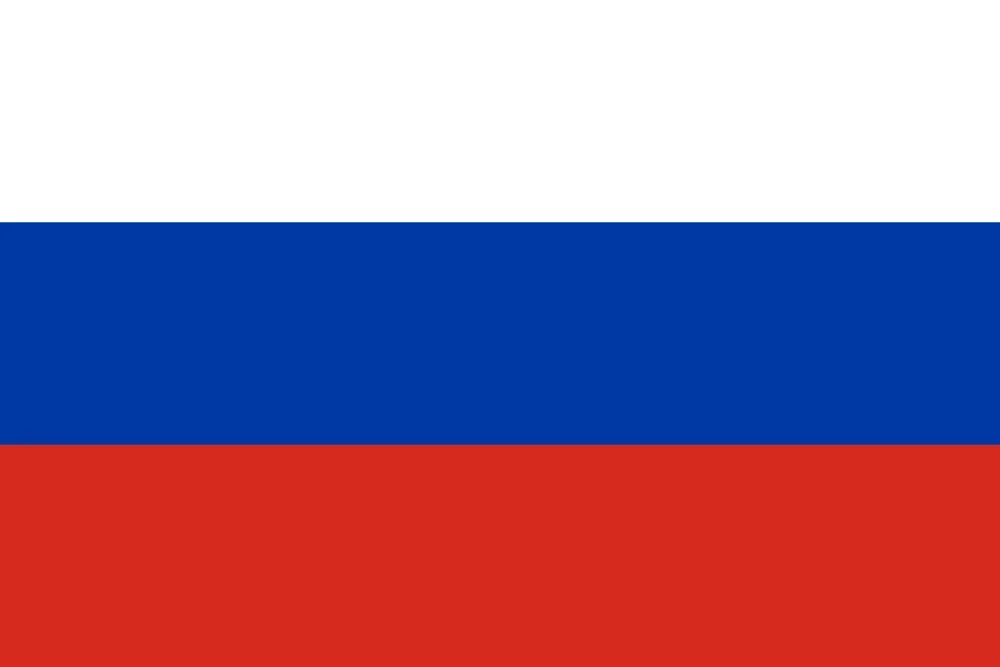
Russia’s formal entry into large-scale Bitcoin mining accelerated after the 2021 ban in China, when miners migrated to more accommodating markets. Key actors include major hosting firms such as BitRiver (533 MW capacity in 2024) and regional power companies working in Siberia’s hydropower zones. Russia combines cheap electricity, cold climate, and large energy-infrastructure assets, making it a sweet spot for the Bitcoin mining industry – an advantage the government is keen to exploit.
In terms of capacity, by Q1 2023, Russia’s installed or operating power for bitcoin mining was reported at around 1 gigawatt (GW), making it apparently second only to the US. Russia’s mining capacity may exceed 11 GW, according to industry estimations, though much of this may be unused or informal.
Politically and operationally, Russia is becoming increasingly dependent on cryptocurrency to facilitate international trade and evade sanctions. With trade heavily restricted, crypto-to-fiat transactions provide a faster and more convenient way to conduct cross-border deals. Stockpiling a reserve of mined Bitcoin also enables the nation to continue accumulating wealth, even as sanctions persist.
Russia faces tensions around energy consumption (especially in winter months in Siberia), regulation, and the relationship to sanctions. As the state tightens regulations (including registration and taxation introduced in 2024), the mining sector must adapt to evolving energy-tariff rules and grid-use limits.
3. Iran
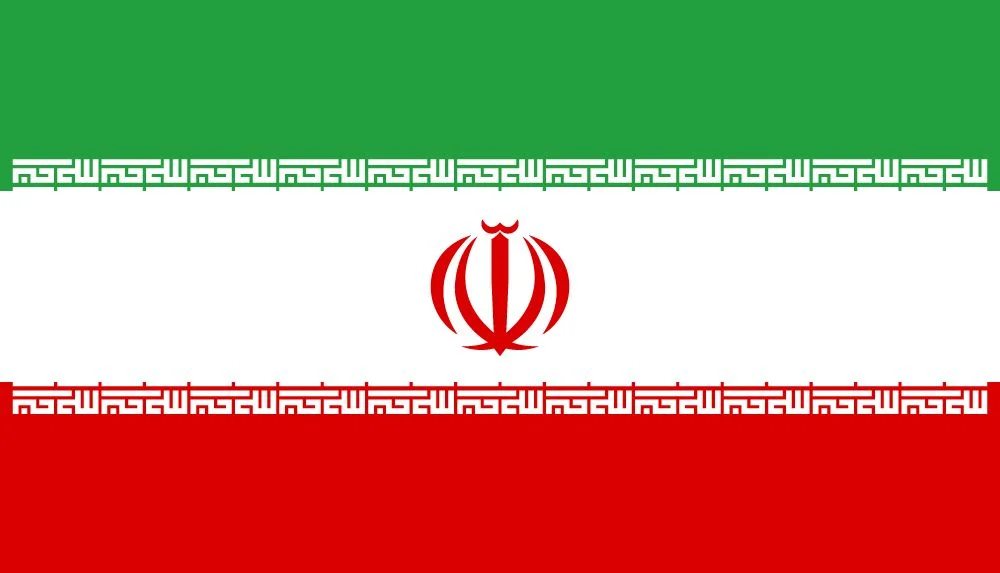
During President Hassan Rouhani’s administration, Iran officially entered Bitcoin mining. The government legalized mining and required all miners to register and sell mined Bitcoin to the central bank. This move helped Iran offset economic pressure from US sanctions by allowing imports to be paid with cryptocurrency. Cheap electricity from oil and gas fields gave miners a strong advantage.
Estimates of mining power consumption in Iran vary widely because of large unlicensed operations. According to Iranian officials in mid-2025, crypto mining operations are consuming roughly 2,000 MW (2 GW) of electricity. Another assessment suggests illegal mining could be near 2 GW, while licensed legal mining is very small (≈ 5 MW) in contrast.
Like Russia, Iran’s mining activity has been driven by sanctions-related revenue needs and cheap energy. But the sector faces major risks: grid strain, regulatory crackdowns, and the challenge of distinguishing legal vs. clandestine operations. The true “installed capacity” remains opaque because a large share operates outside formal licensing.
4. Bhutan
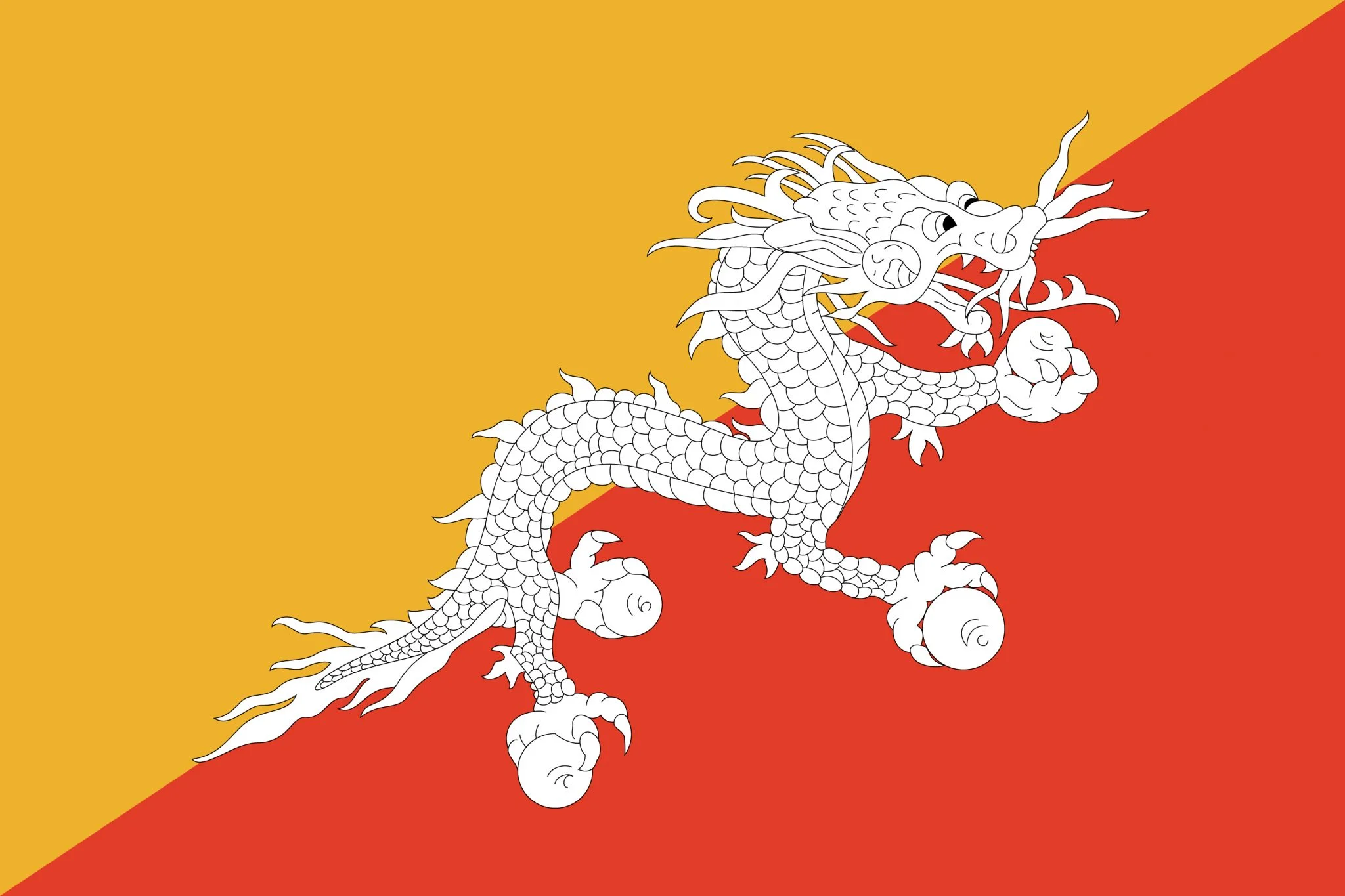
Bhutan entered Bitcoin mining quietly in 2019 under King Jigme Khesar Namgyel Wangchuck. The initiative began as a small experiment within Druk Holding and Investments, the country’s sovereign wealth fund.
Reports say Bhutan’s planned mining capacity tops 600 MW, with 500 MW now under development. The country built Bitcoin reserves worth about $1.3 billion, nearly 40% of its GDP, helping diversify national income beyond hydropower and tourism.
Prime Minister Tshering Tobgay confirmed that profits from Bitcoin mining funded salary increases for public workers. Bhutan now works with Singapore’s Bitdeer Technologies to expand operations, strengthening foreign reserves while preserving hydropower profitability.
5. Oman
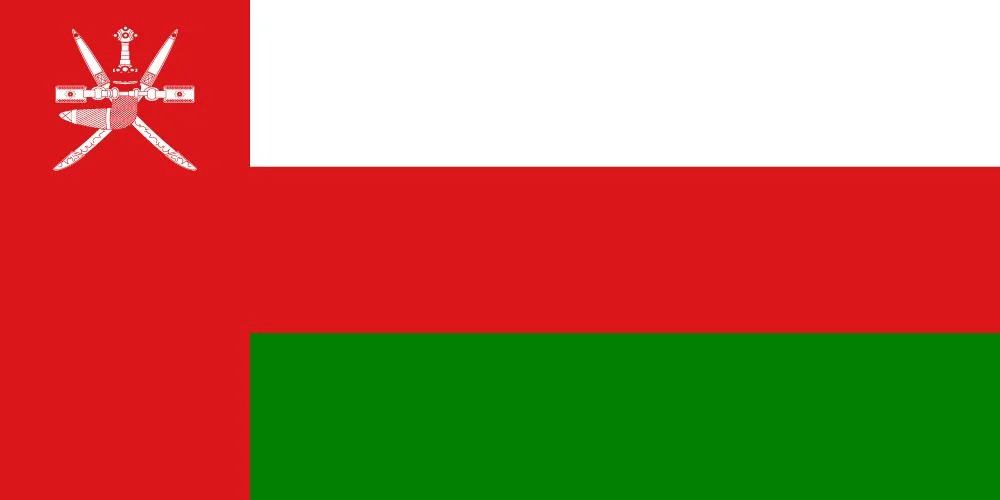
The government of Oman invested through its sovereign wealth arm, OQ Group, and partnered with Exahertz International to develop large-scale mining data centers. These centers use renewable energy sources, including solar, aligning with Oman’s sustainability agenda.
Oman currently has pilot mining operations around 20 MW of power consumption (including 11 MW from Exahertz’s facility and 1.2 MW from Green Data City) as of late 2023. Larger-scale projects are under development: Green Data City’s first phase is 200 MW mining capacity, with the second phase data-centre/mining expansion aiming at 400 MW.
While pilot capacity is small, the growth trajectory is ambitious, with long-term targets cited of 800 MW for Exahertz and 400 MW for Green Data City (total 1,200 MW), which, if fully realised, might translate into a meaningful share of global hash-rate. Officials see Bitcoin mining as a diversification tool to reduce dependence on oil exports while developing advanced computing capabilities.
6. Ethiopia

Ethiopia’s entry into Bitcoin mining started in 2023 after the government approved partnerships with Chinese firms like Bitmain and Beijing Data Tech. It emerged as a destination for Bitcoin mining, driven by its hydroelectric output and low‑cost electricity. Prime Minister Abiy Ahmed’s administration viewed mining as a strategic use of the country’s vast hydroelectric power from the Grand Ethiopian Renaissance Dam. The Ministry of Finance authorized multiple state-linked facilities to convert excess energy into Bitcoin.
As of late 2024, mining operations in Ethiopia reportedly consume around 600 MW of power. A leading player, Phoenix Group (UAE‐based), announced in April 2025 that it had secured an additional 52 MW of capacity in Ethiopia, bringing its local total to 132 MW and raising global capacity to over 500 MW. In terms of global contribution, Ethiopia is estimated to account for about 2.5 % of the world’s bitcoin network hash rate as of December 2024.
The Bitcoin mining initiative aims to strengthen foreign currency reserves, attract investment, and improve power-grid efficiency. Mining operations have also accelerated digital infrastructure development, introducing advanced cooling and computing systems across new industrial zones.
7. United Arab Emirates

The UAE set up a government-backed Bitcoin mining plan in 2021. Working with firms such as Marathon Digital and Zero Two, alongside state-owned groups, it went on to build very large mining sites in Abu Dhabi. The operations are designed to run on surplus solar energy, contributing to the UAE’s net-zero goals.
According to an estimate by Hashrate Index, UAE’s total capacity exceeded 400 MW in 2023; it is likely higher in 2025. Mining supports the UAE’s broader ambition to become a global digital finance hub. Beyond profit, the initiative promotes blockchain innovation and strengthens energy utilization efficiency across renewable power projects.
8. Argentina

In 2020, Argentina became a magnet for Bitcoin mining, drawing operators with abundant renewable and stranded energy, agreeable tariffs, and a receptive rulebook. State participation grew in 2021 under President Alberto Fernández, as authorities nudged provincial utilities, including YPF Luz, to channel surplus gas from Patagonia’s shale fields to mining facilities.
Inflation above 100% and a weakening peso pushed officials to explore Bitcoin as an alternative reserve asset. Though the national government doesn’t hold official reserves, state energy subsidies indirectly support mining. Estimates suggest Argentina contributes around 0.06% of global hash rate.
9. Kenya

Kenya’s renewable energy is promising. Geothermal reserves are about 10,000 MW, with 863 MW already installed. As of 2025, only the UAE‑based mining infrastructure company set up operations in the Naivasha Special Economic Zone, aiming for an initial 90 MW and mapping an eventual rise to roughly 200 MW.
Kenya’s policy approach threads environmental custodianship with economic diversification, showing how clean power can underpin technology‑driven expansion. The possibility of mining has drawn interest from multiple international firms exploring arrangements with Kenyan energy producers.
10. France

The Ministry of Economy and Finance kicked off state-backed Bitcoin mining research in 2022 through public‑private consortia convened in France. Officials green‑lit trials of low‑carbon mining models drawing on nuclear energy, with the state utility EDF running pilot installations on a modest scale.
The impetus comes from France’s deep dependence on nuclear generation, which often produces surplus electricity during off‑peak hours. Mining is being framed as a way to monetize that excess, steady grid operations, and repurpose waste heat for district heating networks or industrial processes.
While the country doesn’t yet have widely reported operating mining farms with public megawatt figures, legislative proposals suggest using as much as 1 gigawatt (GW) of surplus capacity for mining, with commentators estimating each GW could generate $100 to $150 million annually.
France’s total mining output remains low, contributing less than 0.2% of the global hash rate, but the strategic focus is clear.
11. Japan
The state‑linked Bitcoin mining efforts in Japan have emerged in Q4 of 2025, with a notable public project announced in late 2025. A major Japanese utility (likely partly government‑owned) signed a contract with Canaan Inc. to deploy 4.5 MW of hydro‑cooled bitcoin‑mining servers (Avalon A1566HA) for use in absorbing surplus renewable energy and stabilising the grid.
While 4.5 MW is modest compared with large‑scale mining countries, the significance lies in Japan’s innovative model: mining is being treated as a grid‑interactive load, switching up or down dynamically to match renewable‑energy surplus or demand peaks.
Is Bitcoin Mining Still Profitable?
Yes, if you manage energy and hardware well. Miners receive newly created Bitcoin as rewards for validating transactions and securing the network. However, your electricity costs, the efficiency of your machines, and Bitcoin’s price will determine the profitability of the venture.
Governments often have an advantage because they can allocate underused energy to mining, especially during off-peak hours. By turning surplus power into digital assets, they create new financial streams without straining grids. Advances in hydro and solar integration have also improved sustainability. Despite periodic market fluctuations, institutional and government miners have maintained profitability by combining technological precision with large-scale planning.
Which Country Has The Most BTC?
The US leads with an estimated 200,000 BTC. Other major holders include China (through seized assets), Bhutan, Ukraine, and El Salvador.
Government holdings serve different purposes. Bhutan’s sovereign wealth fund treats Bitcoin as a long-term store of value. In contrast, the US uses its holdings as part of law enforcement and treasury management.
How to Read This List
The eleven programmes above split into three rough categories, and noticing which one a country is running tells you what its mining policy is actually for. The energy-balancing players (Bhutan, El Salvador, parts of Russia) treat hashrate as a load that absorbs stranded or surplus power; the question for them is grid economics, not BTC price. The reserve-accumulation players (El Salvador on the BTC-treasury side, several Gulf trial programmes) are mining to build a sovereign position over multi-cycle horizons; halving maths and custody decisions matter more than monthly revenue. The strategic-positioning players (Russia’s sanctions-hedge logic, Bhutan’s tech-modernisation framing, Japan’s industrial-policy entry) treat mining capacity as soft power. Watch three signals to track where any individual programme actually goes: whether the mining capacity is owned by a state-linked entity or licensed out, whether mined BTC accumulates on a sovereign balance sheet or is sold immediately, and how the regulator treats private miners operating alongside the state operation. Those three answers tell you whether the policy is industrial, monetary, or geopolitical — and what to watch for next.