

- Recent NBA and NFL sports betting scandals show players and insiders exploit crypto prediction markets for betting advantages and potential financial gain.
- Historical cases like the 1919 Black Sox and Calciopoli demonstrate that match fixing spans decades and damages trust in sports outcomes.
- Spot-fixing and insider information allow small actions to influence prop bets and micro-markets, creating major profits for manipulators.
- Crypto prediction markets magnify risks through global access, automated payouts, and pseudonymous trading, challenging leagues and regulators to protect integrity.
The 2025 arrest of NBA player Terry Rozier during a gambling inquiry has shaken professional basketball. Investigators are reviewing whether wagers were placed through intermediaries on decentralized platforms connected to crypto-based prediction markets. The incident has raised new questions about how far blockchain technology can stretch betting boundaries and how anonymity on these systems might tempt insiders.
Prediction markets such as Polymarket and Augur allow users to trade outcomes of real-world events through smart contracts and crypto tokens. They operate openly on blockchain networks, attracting global audiences that trade everything from elections to live sports events. Critics now worry that these markets could magnify incentives for match fixing because they offer liquidity without the same oversight as licensed sportsbooks.
10 Biggest Sports Betting Scandals
Prediction markets may be new, but match fixing is not. Sports history is full of scandals where athletes, referees, and club officials bent results for money. Here are the biggest sports betting scandals.
10 | Shane Pinto and the NHL Betting Violation – 2023

Ottawa Senators forward Shane Pinto became the first modern Natioal Hockey League player suspended for wagering violations. Investigators found irregular activity connected to an online betting account linked to his name, though there was no proof he bet on NHL games.
The case shocked hockey circles because it came after years of strong education campaigns. The NHL handed him a 41-game suspension, a warning that even casual involvement in online betting can carry serious career consequences. The league used the moment to reinforce integrity systems across sportsbooks and data providers.
9 | Ivan Toney’s Betting Ban – 2023

English Premier League striker Ivan Toney admitted to 232 betting breaches between 2017 and 2021. He placed wagers on matches, including games involving his own team. The Football Association banned him for 8 months and fined him heavily. The investigation uncovered how players could use friends’ accounts to hide bets, a method bookmakers now flag using behavioral analytics. Ivan’s case sparked a conversation about gambling culture within professional football, especially as sponsorship deals tied clubs to betting brands.
8 | Jontay Porter’s Lifetime Ban – 2024

NBA player Jontay Porter received a lifetime ban for disclosing confidential health information and betting on games. The league’s integrity unit discovered he provided details about his playing status to acquaintances who placed large prop bets on his performance. Those wagers moved markets and created measurable losses for sportsbooks. When data analysts compared the timing of the bets to public injury reports, the pattern became clear. Porter’s punishment highlighted how insider information, not game-fixing itself, can manipulate betting outcomes.
7 | Ippei Mizuhara and the Ohtani Scandal – 2024 – 2025
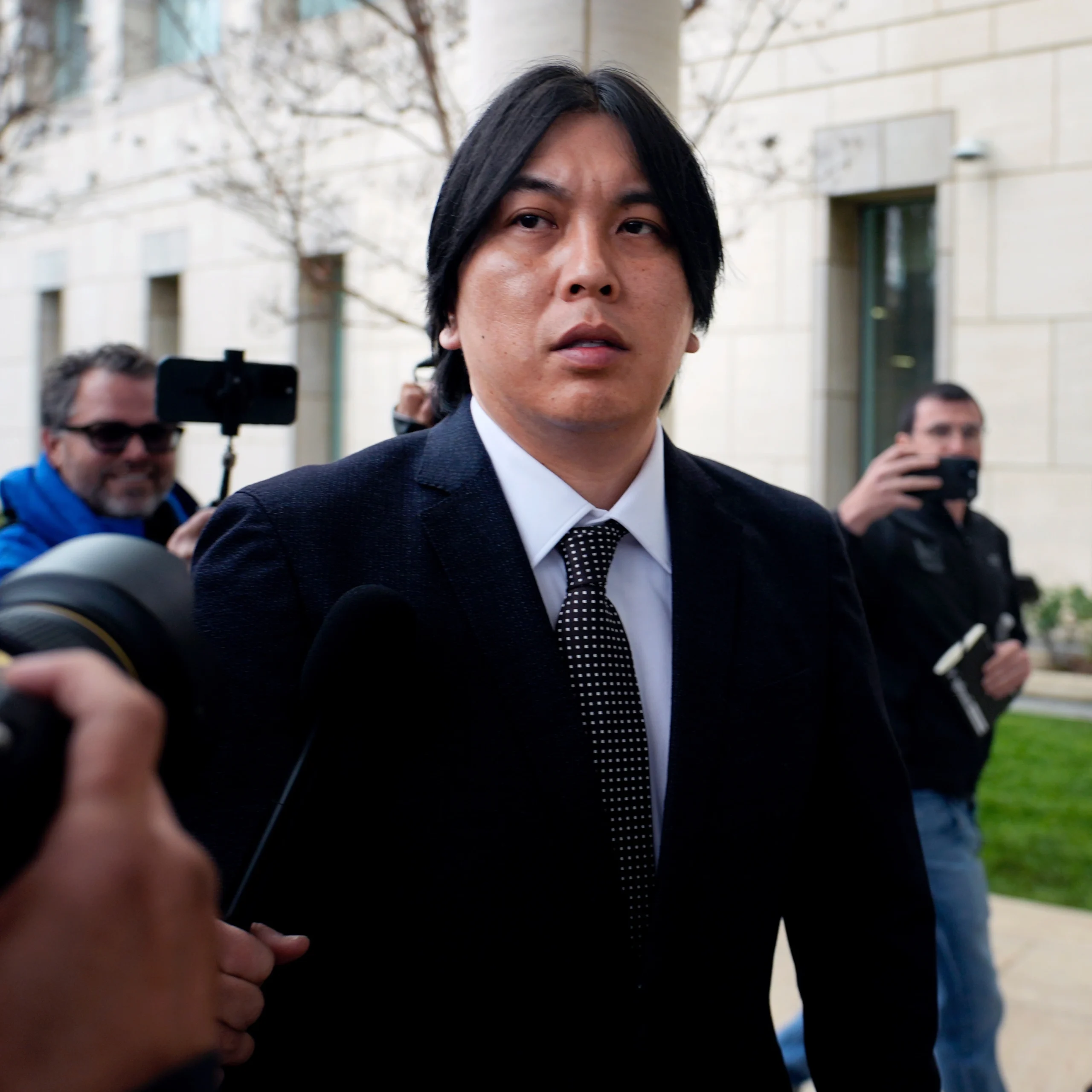
Shohei Ohtani’s interpreter Ippei Mizuhara stole nearly $17 million from the baseball star’s bank account to pay debts to an illegal bookmaker. Though Ohtani was cleared, the story exposed how individuals close to players can create major financial and reputational risks. US prosecutors said the money trail passed through unlicensed gambling operations that accepted crypto payments. The case strengthened calls for tighter cooperation between sports leagues and financial institutions to track betting-related transfers.
6 | Tim Donaghy Referee Scheme – 2007
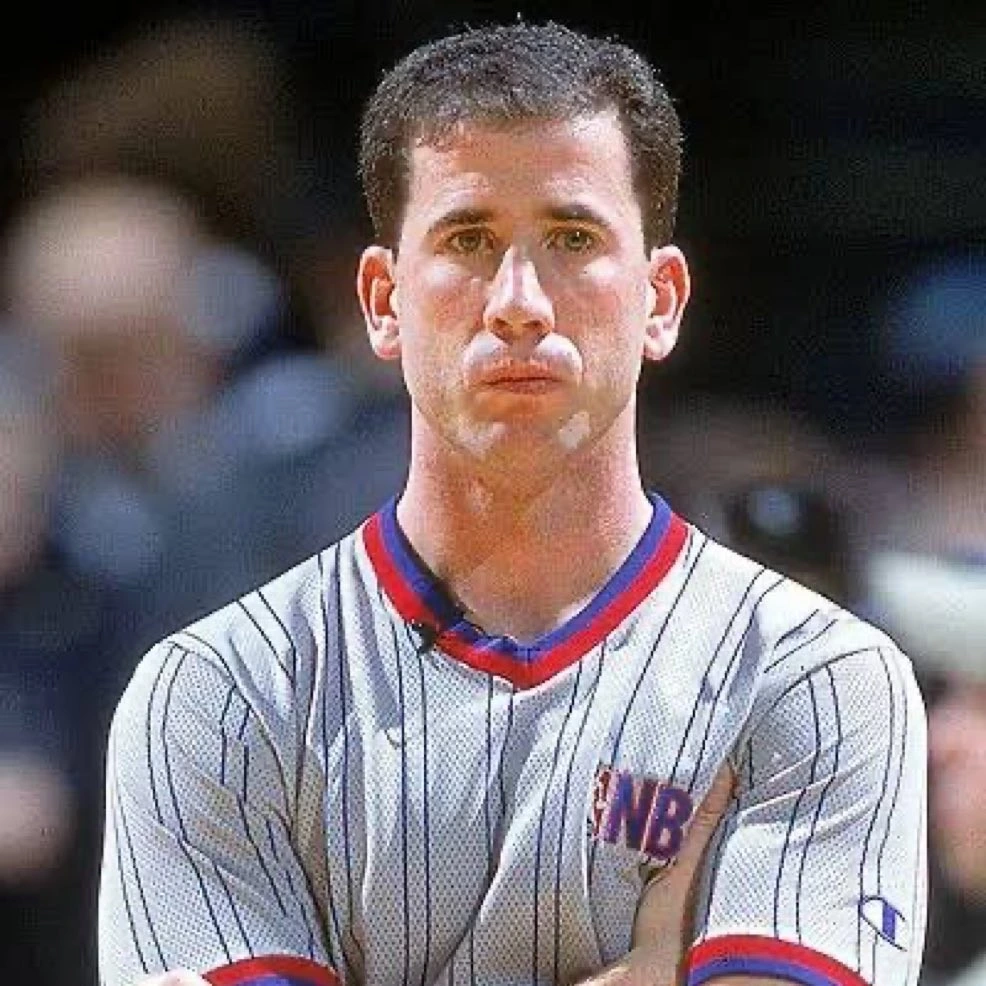
NBA referee Tim Donaghy bet on games he officiated and supplied inside information to associates who used it for wagering. His control over foul calls and game rhythm affected spreads on dozens of matches. He served 15 months in prison for wire fraud and conspiracy. The scandal forced the NBA to overhaul referee oversight and data monitoring, integrating statistical tools that detect unusual patterns in officiating. It remains a benchmark for how non-player actors can distort sports integrity.
5 | Calvin Ridley Suspension – 2022
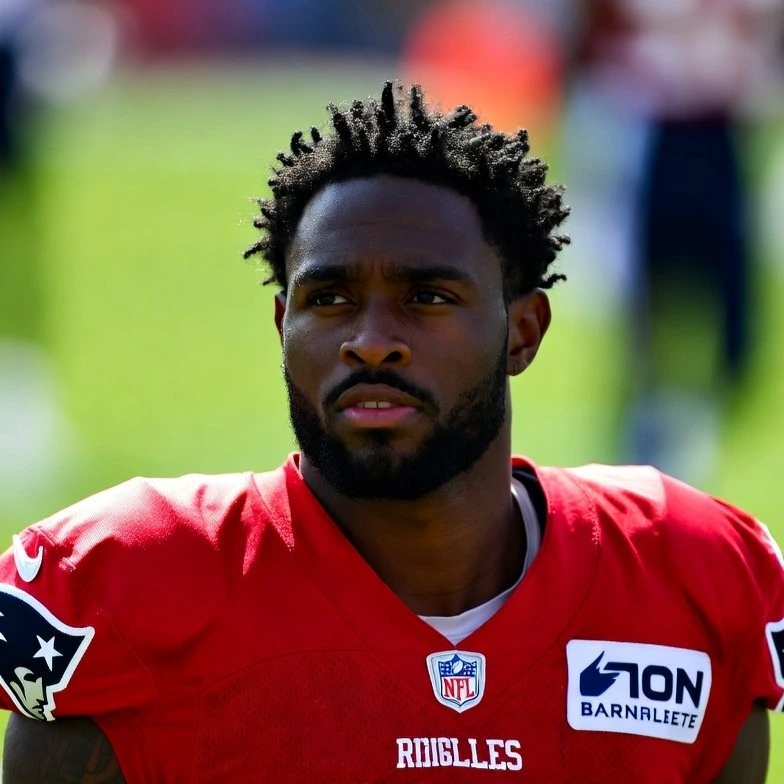
NFL receiver Calvin Ridley was suspended for an entire season after investigators confirmed he placed parlay bets, including on his own team, during a leave of absence.
His total wagers were small compared to professional salaries, but the optics damaged league credibility. The NFL used his case to launch wider education initiatives for athletes. When he returned to play, Ridley admitted that online betting accessibility made violations easier than he had realized. The episode revealed how mobile apps and crypto wallets expand betting reach far beyond crypto casinos or crypto sportsbooks.
4 | Pakistan Cricket Spot-Fixing – 2010

During a Test match at Lord’s in London, Pakistan’s captain Salman Butt and bowlers Mohammad Asif and Mohammad Amir agreed to bowl deliberate no-balls at pre-arranged moments. Bookmakers profited through wagers on micro-events rather than match outcomes.
British police used sting operations and video evidence to confirm the fix, leading to prison sentences and lengthy bans. The cricket scandal demonstrated how spot-fixing on individual plays can corrupt markets without changing final scores. It also encouraged regulators to scrutinize prop and live-bet products more closely.
3 | Italian Calciopoli – 2006

In Italy, investigations revealed that club executives from Juventus and several Serie A rivals influenced referee assignments to secure favorable calls. Phone records exposed the network. Juventus lost two league titles and were relegated to Serie B. Other clubs received point deductions. The scandal cost millions in sponsorship and broadcast revenue. It also pushed UEFA to standardize referee selection procedures and expand collaboration with integrity analysts.
2 | Pete Rose: When the Manager Bet on His Own Team – 1989
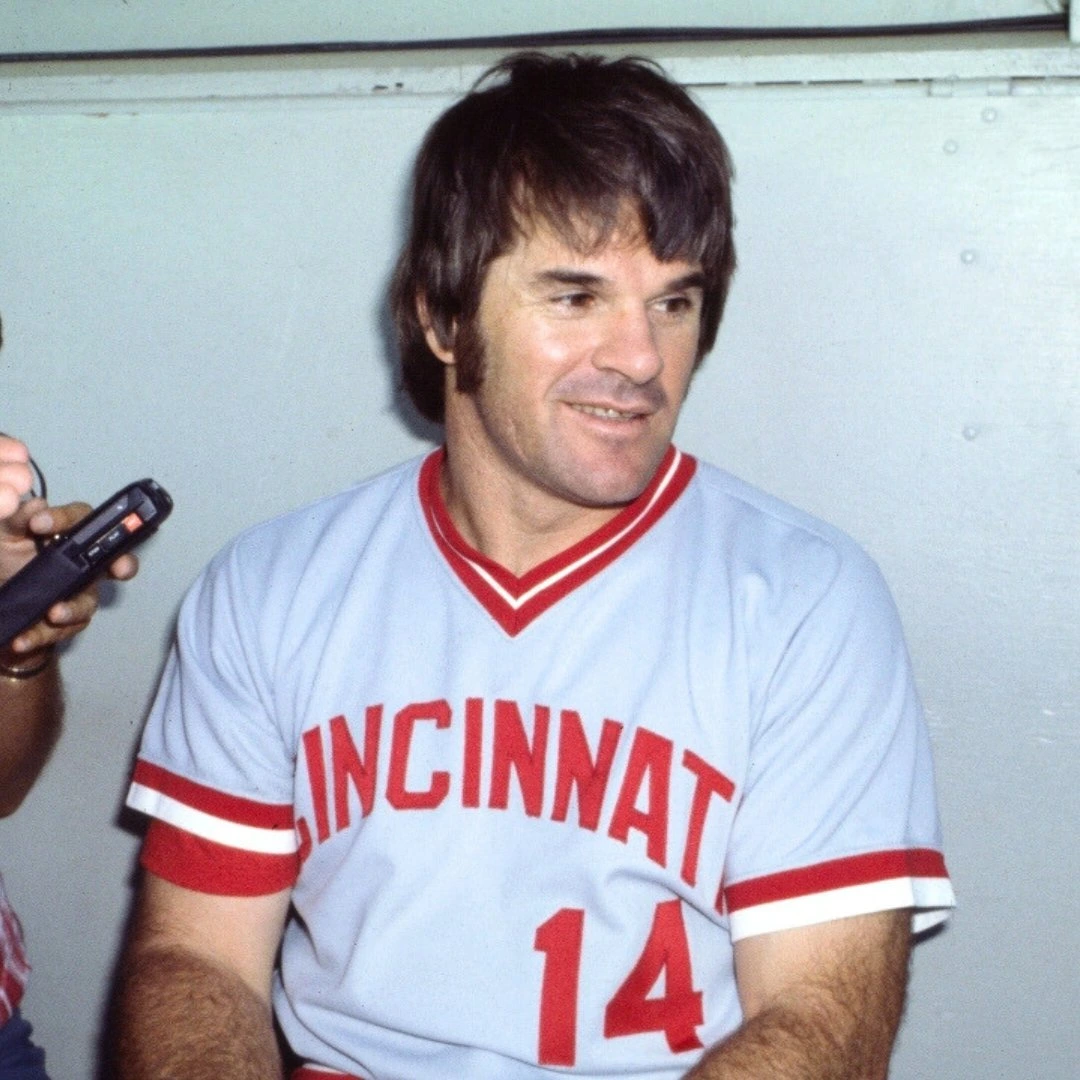
Baseball legend Pete Rose remains one of the most controversial figures in American sports history. While managing the Cincinnati Reds, he placed hundreds of wagers that included games involving his own team. Investigators found betting slips and bank records tying him directly to bookmakers. Although Rose denied influencing outcomes, the scale of his betting erased any doubt about conflict of interest.
In 1989, Major League Baseball issued a lifetime ban that stripped him of eligibility for the Hall of Fame and any future in management. The decision reshaped professional ethics across sports leagues, showing how even a beloved athlete could lose everything when personal wagers crossed into official competition.
1 | The Fix That Broke Baseball – 1919

During the 1919 World Series, eight Chicago White Sox players conspired with professional gamblers to throw games against the Cincinnati Reds. The scheme promised quick payouts for deliberate errors, wild pitches, and dropped catches. When the plot surfaced through confessions and investigative reporting, public outrage was immediate. Attendance fell, sponsors withdrew, and baseball’s reputation collapsed overnight.
In response, team owners appointed the first Commissioner of Baseball, granting him full authority to protect the sport’s integrity. The eight players, including star hitter “Shoeless” Joe Jackson, were banned for life. The Black Sox case became a permanent warning that even the strongest leagues can fall when financial temptation overtakes loyalty to competition.
Are Crypto Prediction Markets Vulnerable to Match Fixing
The Rozier case has sparked fresh debate about how crypto prediction markets could change the incentives around sports results. These platforms work more like financial exchanges than traditional sportsbooks.
People buy and sell outcome contracts, and active liquidity moves prices in real time. Global access and decentralized design bring new ideas to the table, but they also introduce fresh integrity risks. Let’s explore each below:
Global Audience
Prediction markets attract traders from every time zone, using stablecoins or native tokens to back positions. When platforms such as Polymarket list contracts related to live matches, they create pools that can grow rapidly.
A single event can generate millions of dollars in trades. That scale encourages professional syndicates to explore ways to influence or anticipate results. For athletes and insiders, even a minor act like leaking lineup information can create measurable profits on these markets.
Less Oversight
Licensed sportsbooks operate under national gambling commissions that audit activity, verify identities, and share suspicious-bet reports. Prediction markets often run on smart contracts without central ownership, which limits traditional oversight. Many regulators classify them as information exchanges rather than betting operators.
That regulatory gap allows trading activity to continue even when certain events raise concerns. Integrity investigators have limited access to data linking wallet addresses to real individuals.
Bettor Anonymity
Participants in decentralized prediction markets trade through crypto wallets. Transactions are public, yet identities remain hidden behind alphanumeric addresses. This pseudonymity removes the strongest deterrent in regulated betting systems: the risk of personal exposure. A referee, trainer, or player could use a proxy wallet or a privacy tool to hide involvement. Analysts may notice suspicious trades, but connecting them to real people often requires months of forensic work.
Automated Payouts Through Smart Contracts
Smart contracts execute payouts automatically when oracle data confirms an event outcome. That automation eliminates intermediaries but also prevents investigators from freezing or reversing funds if manipulation is later proven. Once the blockchain confirms a result, profits transfer instantly. Traditional sportsbooks can void bets during investigations, but decentralized systems lack that safeguard. The speed and finality of smart-contract settlement increase the temptation for fixers who can influence short-term outcomes.
Closing Thoughts
Sports betting scandals reveal how integrity challenges evolve with technology. The pattern remains constant: where money meets uncertainty, select individuals will look for an edge beyond fair play. The move toward crypto-based prediction markets expands global access and introduces new layers of complexity.
Leagues, regulators, and blockchain developers now share responsibility for keeping markets transparent. Real-time monitoring, strong data analysis, and closer partnerships between crypto platforms and sports bodies can reduce the risk of manipulation.
Prediction markets offer fascinating innovation for traders and statisticians, but their long-term success depends on the same principle that has guided sport for centuries, i.e, trust that every result is earned honestly on the field.