- Key Takeaways
- Paylines Have a Simple Promise: Land the Right Symbols in the Right Spots
- Cluster Pays Throws Out the Lines and Rewards Grouping
- One Pays More Often. The Other Pays Bigger. Here’s the Trade-off
- Why Crypto Casinos Are Leaning Harder Into Cluster Pays
- Paylines vs Cluster Pays: Which Slot Mechanic Suits You
- Closing Thoughts
- FAQ

Key Takeaways
- Paylines follow fixed patterns, making them easier to understand and better suited for steady gameplay.
- Clustered plays remove rigid structures, creating more dynamic and unpredictable wins.
- Cluster pays slots often deliver more frequent smaller wins, while paylines can support structured larger payouts.
- Crypto casinos increasingly favor cluster mechanics due to their high volatility and fast-paced gameplay.
- Choosing the right mechanic depends on your budget, risk tolerance, and preferred win style.
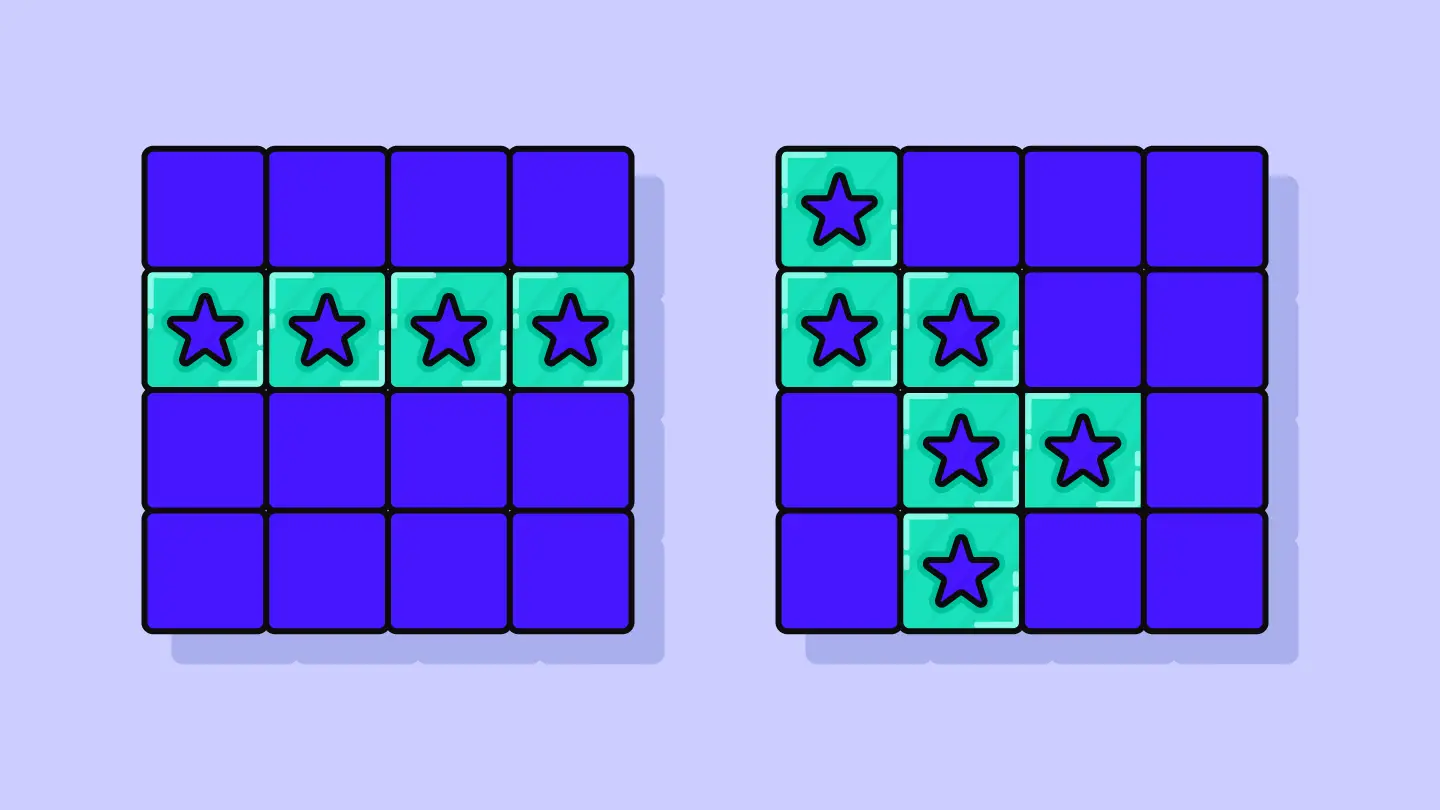
Imagine a train following a strict, unyielding track. Every stop is predetermined, and missing a single connection breaks the journey entirely. There’s no flexibility, no improvisation, just a fixed route that must be followed precisely. Now picture a busy town square instead, where people gather in loose groups. Friends bump into each other, conversations form naturally, and any cluster of familiar faces counts as a successful meeting.
That contrast captures the difference between cluster pays vs paylines, two slot mechanics shaping how modern games play, especially in crypto casino slots. Traditional paylines rely on fixed patterns, while cluster pays reward groups appearing anywhere on the grid.
As more players explore new platforms, browse casino promotions, or compare different crypto gambling environments, this difference is becoming more noticeable. The way symbols connect, whether through lines or clusters, quietly determines how often you win, how big those wins can be, and how your bankroll moves over time.
Paylines Have a Simple Promise: Land the Right Symbols in the Right Spots
Paylines are the foundation of traditional slot machines. The concept is straightforward: symbols must align along predetermined paths to form a winning combination. These paths, or paylines, can run horizontally, diagonally, or in zigzag patterns across the reels.
Early slot machines featured just one payline across the middle. Today, modern slots may offer 20, 50, 100, or thousands of paylines. Some games even introduce “ways to win” mechanics, where symbols simply need to appear in adjacent reels rather than specific lines.
How Paylines Work
Each time you spin, your wager is spread across the active paylines. For example, if you bet $1 across 20 paylines, each line receives $0.05. When matching symbols land along an active line, the payout is calculated according to the game’s paytable.
Several factors influence how paylines function:
- Symbols must align along predefined patterns
- More matching symbols increase payouts
- Active paylines determine eligibility for wins
- Bet size affects payout value
Because of this structure, paylines provide a predictable framework. Players can quickly learn where wins occur and how payouts scale. This makes paylines particularly appealing to beginners and those who prefer structured gameplay.
Additionally, paylines often support bonus features like wild symbols, scatters, and free spins, which still operate within the fixed framework. These features enhance gameplay without fundamentally changing how wins are formed.
Pros and Cons of Paylines
Paylines create a stable experience, but that stability comes with limitations.
| Pros | Cons |
|---|---|
| Easy to understand for beginners | Wins require exact alignment |
| Predictable betting structure | Less dynamic gameplay |
| Often lower volatility | Fewer chain reaction wins |
| Many classic game designs available | Can feel repetitive |
Cluster Pays Throws Out the Lines and Rewards Grouping
Cluster pays slots take a different approach. Instead of fixed paylines, they reward groups of matching symbols that appear side by side. These clusters can form anywhere on the grid, removing rigid patterns entirely.
Most cluster pays slots also introduce cascading reels, which change how wins unfold. When a cluster forms, winning symbols disappear and new ones fall into place. This creates the possibility of multiple wins within a single spin.
The process typically looks like this:
- Matching symbols form a cluster
- Winning symbols disappear
- New symbols drop into place
- Additional clusters may form
- Chain reactions continue
This structure makes gameplay feel more fluid and unpredictable. Instead of waiting for a single outcome, one spin can produce multiple wins.
Cluster pays mechanics also encourage creative grid designs. Instead of traditional reels, developers often use square grids like 5×5, 6×6, or larger layouts. This allows more space for clusters to form and increases the number of potential combinations.
So What Counts as a Winning Cluster?
Cluster pays slots define winning combinations based on adjacency rather than alignment. Symbols must touch horizontally or vertically, and sometimes diagonally depending on the game.
Typical rules include:
- Minimum of 4-8 matching symbols
- Adjacent placement required
- Grid-based layouts instead of reels
- Larger clusters yield bigger payouts
For example, a game might reward:
- 5 symbols for a small win
- 10 symbols for a medium win
- 20 symbols for a large payout
Because clusters can appear anywhere, every part of the grid becomes important. This makes gameplay feel less restricted and more dynamic.
Pros and Cons of Cluster Pays
Cluster pays slots bring excitement but also introduce volatility.
| Pros | Cons |
|---|---|
| More dynamic gameplay | Higher volatility |
| Cascading wins possible | Harder for beginners |
| Entire grid contributes to wins | Bankroll swings can be larger |
| Modern features and bonuses | Less predictable outcomes |
One Pays More Often. The Other Pays Bigger. Here’s the Trade-off
Both mechanics offer advantages, but they create different experiences. The choice often comes down to how you prefer wins to appear.
Payout Frequency
Cluster pays slots often produce more frequent smaller wins because cascading mechanics create multiple chances within a single spin. This can extend gameplay and create a steady rhythm of wins.
Payline slots, meanwhile, rely on precise alignment. Wins may appear less frequently, but they often follow a more predictable pace.
Players who enjoy constant movement and activity often lean toward cluster pays, while those who prefer structured gameplay may favor paylines.
Jackpot Potential
Payline slots traditionally support progressive jackpots. These games often rely on fixed structures to calculate contributions and payouts.
Cluster pays slots, however, often compensate with multipliers and cascading mechanics. A single spin can build momentum through chain reactions, leading to unexpectedly large payouts.
This difference reflects two distinct styles: structured jackpots versus dynamic win sequences.
Variety of Games
Paylines dominate traditional slot libraries. Many classic themes – fruit machines, Vegas-style slots and branded games – use paylines.
Cluster pays slots dominate newer releases. Developers experimenting with grid layouts, cascading reels, and creative bonus features often use cluster mechanics.
As a result, players exploring newer games are increasingly encountering cluster pays designs.
Why Crypto Casinos Are Leaning Harder Into Cluster Pays
Crypto casinos operate differently from traditional platforms. Faster gameplay, anonymous transactions, and a preference for volatility shape how games are designed.
Cluster pays slots align naturally with these trends.
Provably Fair Systems
Many crypto casinos emphasize provably fair technology. These systems allow players to verify randomness, reinforcing transparency.
Cluster pays mechanics complement this approach. Cascading wins and unpredictable clusters highlight randomness and keep gameplay dynamic.
Platforms like Stake and BC.Game frequently showcase these mechanics, reflecting broader industry trends.
Anonymous and Fast Gameplay
Crypto players often move between games quickly. Cluster pays slots deliver more action per spin, which suits shorter sessions and faster betting patterns.
Because transactions are often instant, players are more willing to explore higher-volatility games.
Cluster pays slots naturally fit this behavior.
High-Volatility Preference
Crypto players often seek bigger swings. Cluster pays mechanics commonly include:
- Cascading multipliers
- Expanding grids
- Chain reactions
These features increase volatility and appeal to players comfortable with risk.
Paylines vs Cluster Pays: Which Slot Mechanic Suits You
There’s no single answer. Each mechanic suits different players.
Beginners
Paylines often feel more approachable for beginners. The structure is easy to follow, and the rules are straightforward. Cluster pays slots can feel overwhelming at first because of cascading mechanics and larger grids. New players often find paylines easier to learn before moving on to more dynamic formats.
Budget Players
Players with smaller bankrolls may prefer paylines because of predictable pacing. Wins may not come as frequently, but the structure helps manage spending. Cluster pays slots can create longer dry spells, even though they also offer chain wins. Budget-conscious players often appreciate the steadier experience paylines provide.
Players After Big Wins
Cluster pays slots often appeal to players chasing bigger payouts. Cascading wins, multipliers, and expanding grids create moments where wins build quickly. While paylines can offer progressive jackpots, cluster pays slots often deliver dramatic sequences that attract players comfortable with volatility.
Closing Thoughts
The debate between cluster pays vs paylines is about choosing a winner and understanding how each mechanic shapes your experience.
Paylines offer familiarity, structure, and steady pacing. Cluster pays introduce flexibility, cascading wins, and higher volatility. Crypto casinos are increasingly embracing cluster pays mechanics, but paylines remain a staple for players who prefer predictability.
Trying both mechanics is often the ideal approach. Over time, you’ll notice which style suits your bankroll, your goals, and your preferred pace of play.
FAQ
Can I adjust my bet on a cluster pays slot the same way I can with paylines?
Cluster pays slots allow bet adjustments, but you typically adjust total wager rather than individual paylines.
Are cluster pays slots riskier for players on a tight budget?
They can be. Higher volatility may lead to longer losing streaks, which may not suit smaller bankrolls.
Why do crypto casinos seem to feature more cluster pays games?
Cluster pays mechanics align with fast gameplay, high volatility, and modern design preferences common in crypto gambling.
Is there a version of cluster pays with a progressive jackpot?
Yes. Some modern slots combine cluster pays mechanics with progressive jackpots, offering both cascading wins and large prize pools.